Prevent Food Poisoning With These Simple Precautions
Watch out for meals taken to the office or prepared for a picnic! Microbiologist Maite Pelayo explains how microorganisms contaminate food and what you can do to prevent food poisoning.
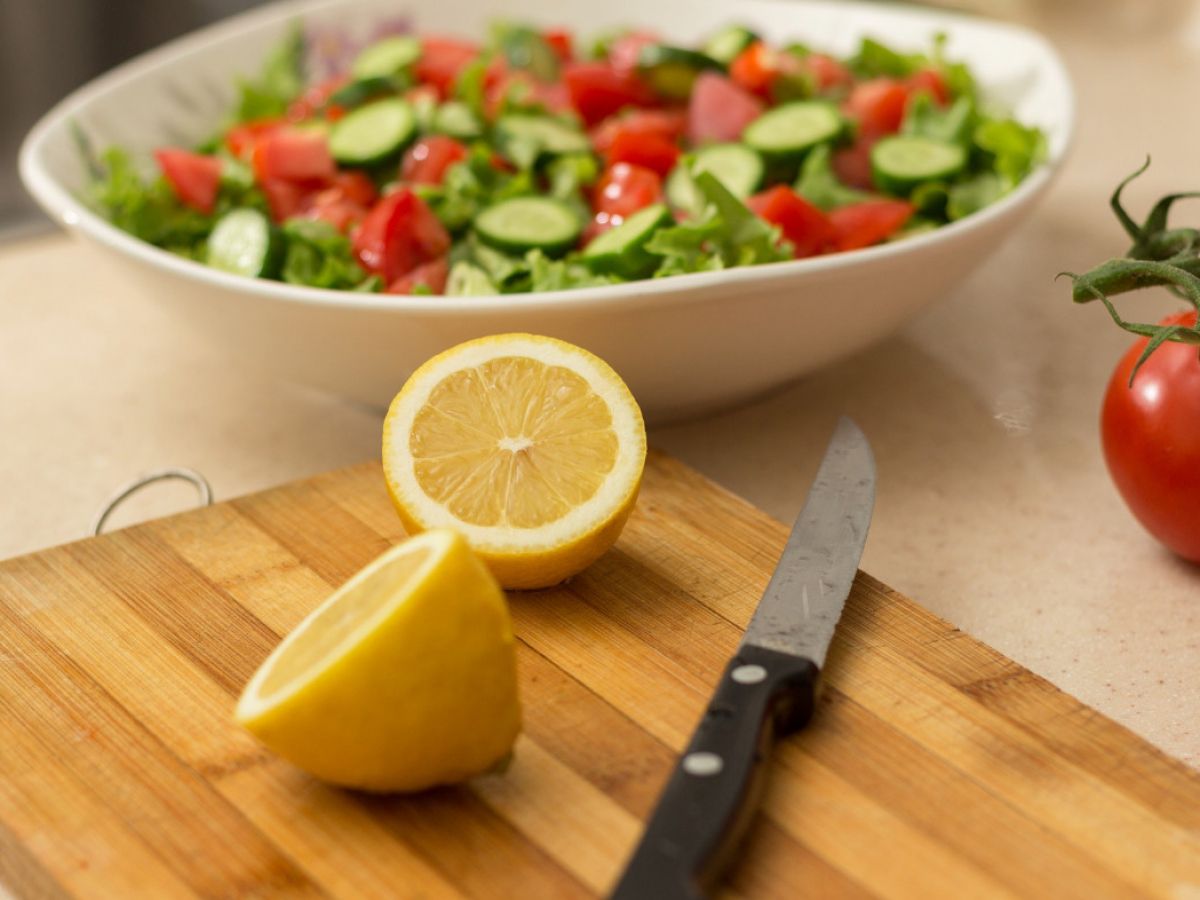

Food poisoning can sometimes manifest with minor, harmless symptoms, but it can also reach life-threatening levels. Maite Pelayo, microbiologist and Technical Spokesperson for the Silestone Institute — the brand of Cosentino, the world's largest quartz surface manufacturer, which is revolutionizing the architectural surface industry — explained how microorganisms contaminate food and what steps you can take to prevent food poisoning.
Follow hygiene rules to protect against food poisoning
Stating that the best way to avoid food poisoning is to follow hygiene rules, Pelayo said: "Food poisoning develops in two ways. The first is consuming foods that contain toxins produced by microorganisms that are naturally present in the food, artificially added to it, or that have grown in it before consumption. The other is consuming food contaminated with pathogenic microorganisms."

Keep foods cold
Protecting food from heat is a good precaution against food poisoning. Refrigeration slows bacterial growth, while freezing stops it altogether. If possible, pasteurize your foods and sterilize the kitchen utensils you use. Heat treatment applied above 70°C (158°F) will help you eliminate microorganisms found on food and on surfaces. Also, consume foods as soon as possible after preparing them.
Pelayo noted that cross-contamination plays an extremely important role in food poisoning, and shared the precautions that should be taken to prevent cross-contamination in the kitchen.
Pelayo's recommendations:
- Place cooked or ready-to-eat foods on the top shelf of the refrigerator. Put raw foods that may drip, such as meat and fish, on the lower shelves.
- Store food in airtight containers to avoid potential contact.
- Clean appliances such as blenders and meat grinders when switching between different types of food, such as meat and fish.

- Wash your hands regularly when switching between raw and cooked foods.
- Use separate kitchen utensils for raw and cooked foods.
- Do not use the same bowl you used to beat the eggs when serving an omelet.
- Thoroughly clean the cutting board with detergent and hot water when working with different types of food. Apply the same rule to your kitchen counter.

- Change your kitchen cloths frequently. Use different cloths for different types of food, and disposable paper towels whenever possible.
- Combine salads made from different ingredients — such as vegetables, meat, fish, and cheese — at the last moment, and keep them refrigerated until ready to serve.
- Coordinate all stages of handling different foods in the kitchen — from putting them away after shopping to consuming them — so that they do not affect one another.
- Regularly clean and disinfect surfaces, kitchen utensils, and other equipment.