Watch Out for Saturated Fat Content When Choosing Cooking Oils!
To manage how much fat we consume, we need to know how much saturated and unsaturated fatty acids are in each oil. So, how much saturated fat does each oil actually contain?
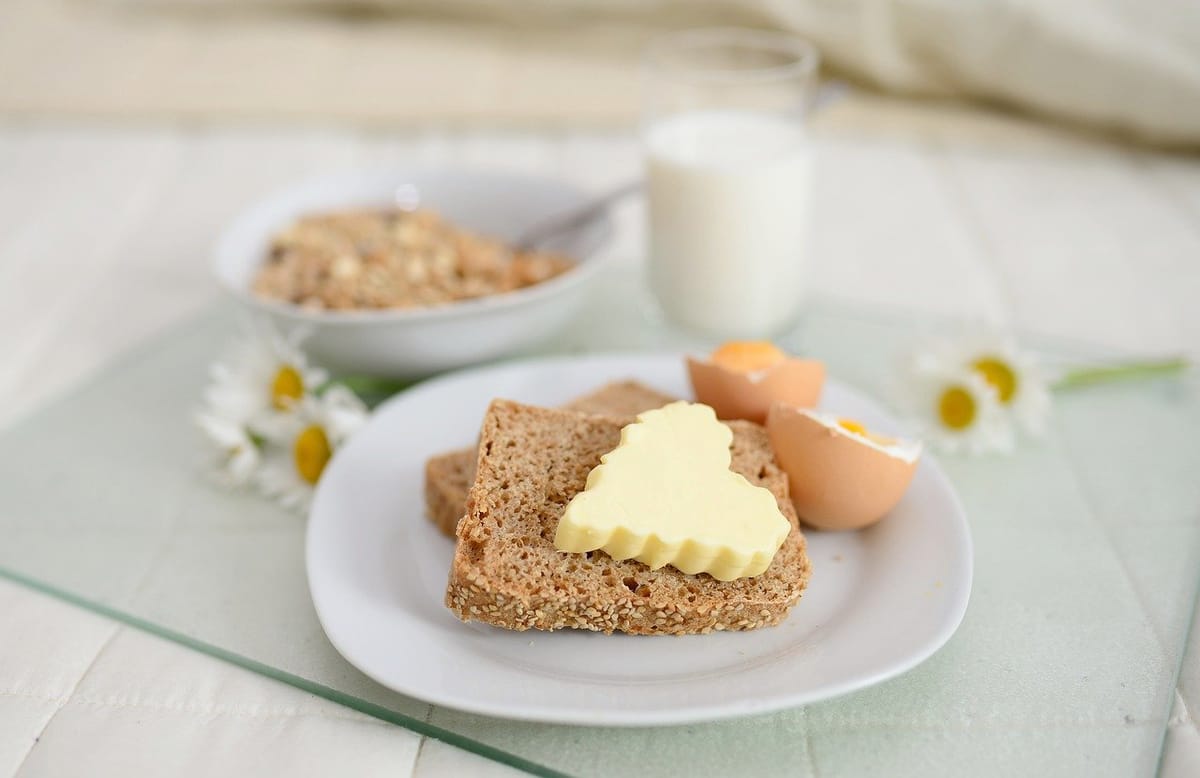

Fats are indispensable for both our kitchen and our health. However, just as with everything else, variety and quantity control matter when it comes to fat consumption. We also need to stay away from trans fats and limit our intake of saturated fats. Yet, not enough people understand what saturated and unsaturated fats really are. A widely repeated but mistaken belief is that "solid fat is saturated fat and liquid fat is unsaturated fat." In reality, all fats found in nature contain both saturated and unsaturated fatty acids.
Fats are one of the essential foods our body needs. Recommended to be consumed in sufficient and balanced amounts — just like any other food — oils also hold a special place in our culinary culture thanks to their variety. Because high saturated fat has a cholesterol-raising effect, we need to know how much saturated and unsaturated fatty acids each oil contains in order to manage our consumption levels. So, how much saturated fat does each oil contain?

All vegetable oils have a lower saturated fat content
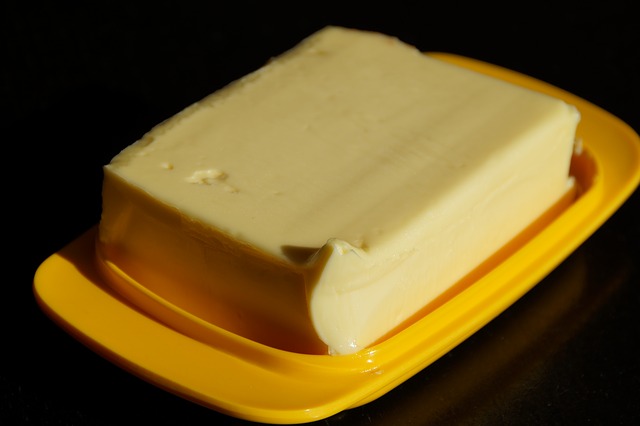
Food Engineer Ebru Akdağ stated: "All solid and liquid fats found in nature contain both saturated and unsaturated fatty acids. While the saturated fatty acid content of 100 g (about 3.5 oz) of olive oil is around 14–17 grams, that of sunflower oil is approximately 11 grams, corn oil around 13 grams, and soybean oil around 16 grams. Since margarines are also obtained by blending these vegetable liquid oils, they have a low saturated fat content despite their solid appearance. For example, 100 g of tub spreads generally contains around 15–17 grams of saturated fat, while stick margarines have a slightly higher saturated fat ratio. Butter and coconut oil, on the other hand, contain around 60–70 grams of saturated fat per 100 g."