Sip Your Way to Health with Herbal Teas
They are nature's healing hands. We've compiled everything about herbal teas — from their varieties and names to their benefits and risks — all in one place for you.

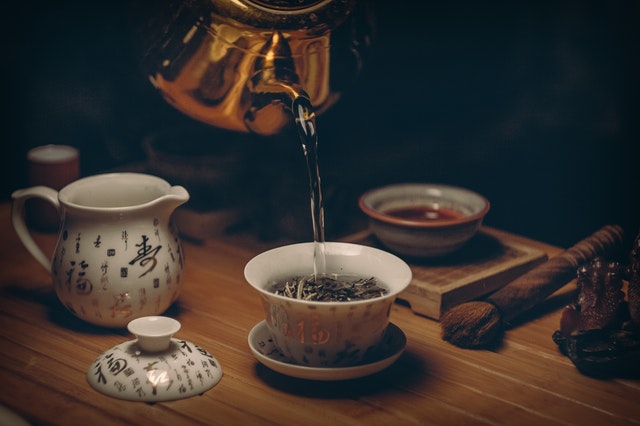
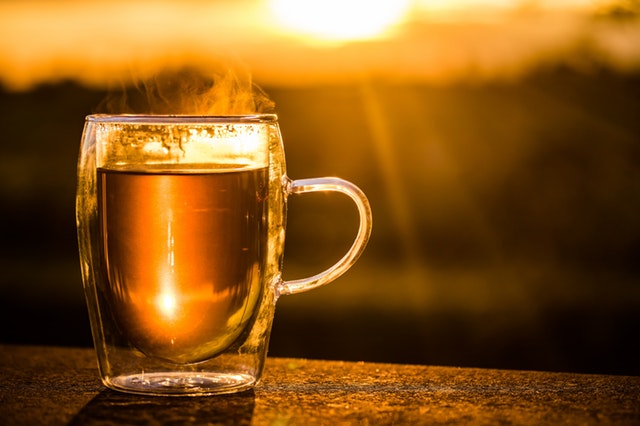
In winter, it's almost impossible not to spot a warm cup of herbal tea in everyone's hands, with steam curling gently above it. They are also an indispensable part of healthy eating. So what exactly are these herbal teas, how much should we consume and how, and which herb is good for what?
Too much of anything can be harmful — keep that in mind — as we knock on the door of herbal teas together, long celebrated as the very heart of healing throughout history.
Herbal Teas and Their Varieties
If we ask what herbal teas are, almost all of us would give the same answers: sage, fennel, linden, green tea, blackberry, and so on. Herbal teas are simply named after the plants themselves. Depending on the properties of the plant, they are made from its flowers, leaves, or roots.
Teas made from the flowers of a plant have a relaxing and soothing effect, so we reach for them when the need arises.
Chamomile, jasmine, and echinacea are some examples. These teas are also delicious thanks to their unique aromas and smell wonderfully fragrant.
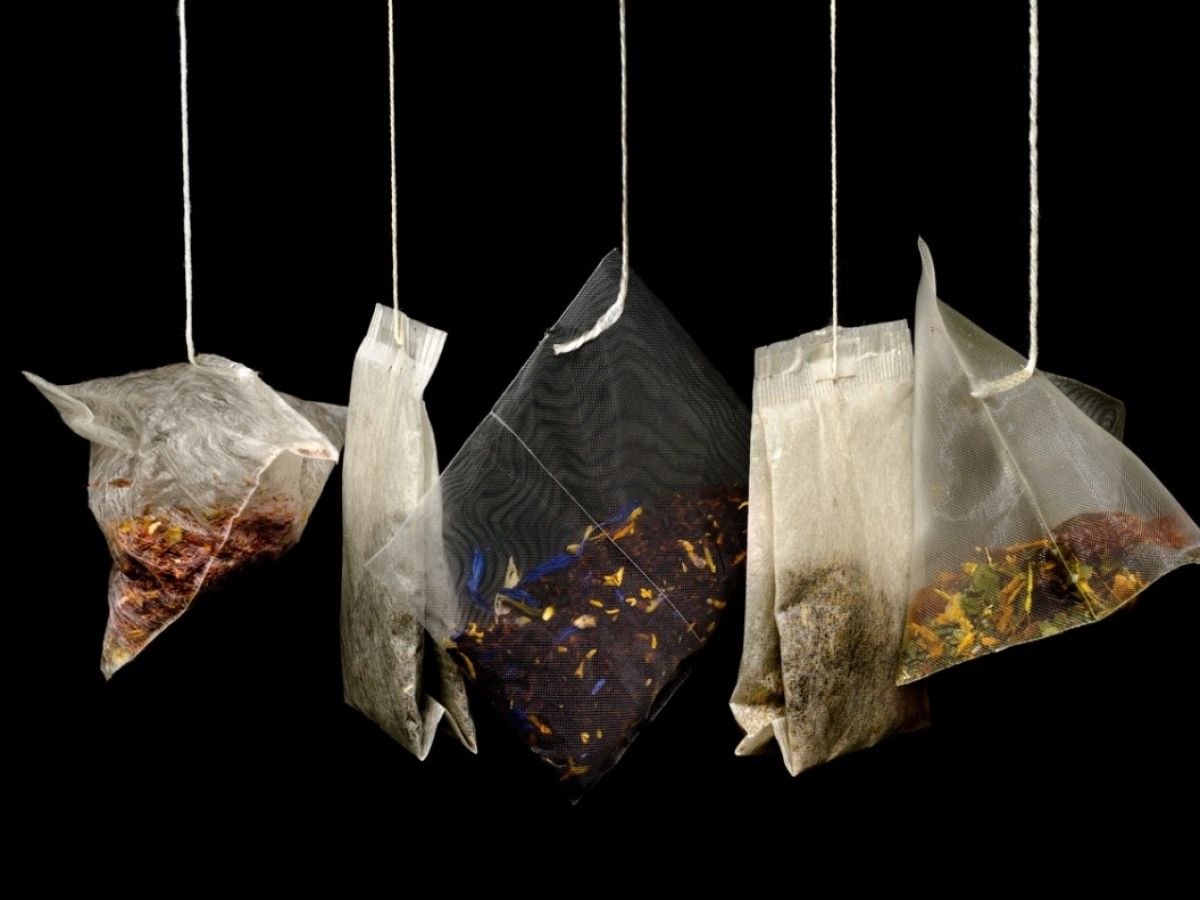
Teas made from the leaves of a plant offer a wide range of benefits for the body. The most well-known — the one our whole nation can't start the day without — is black tea (picture a heart emoji here), followed closely by green tea, linden, rosemary, bay leaf, basil, and similar teas, which we also consume frequently.
Teas made from the roots of a plant are generally the kind we seek out in cold weather. Ginger, turmeric, ginseng, and licorice root are a few examples. These teas are also known as winter teas.
To preserve their natural goodness, sweetening them with raw cane sugar, honey, or cinnamon adds to their benefits.
Herbal Teas and Their Benefits
It's important to get to know these healing herbal teas well and not to overindulge. It's equally important to remember that herbal teas, though a remedy for many ailments, may affect each person differently.
Just as over-boiling causes them to lose their properties, steeping them too long can do the same. Before we take a closer look at herbal teas, it's worth noting this: they should be used by people who have not been diagnosed with any illness. If you have a health condition, consult your doctor before consuming them.
*Green Tea
One of the most widely consumed herbal teas today, green tea is a powerful antioxidant. It boosts metabolism, strengthens the immune system, and lowers blood pressure — the list of benefits goes on and on. Because it contains caffeine, it should not be consumed more than 2 cups per day.
*Linden Tea
Linden tea, which we consume as a protective shield against the illnesses we commonly encounter in winter, is good for sore throats and coughs. When consumed with lemon, it strengthens the immune system. It contains protective compounds against heart palpitations and high blood pressure. Its calming properties help soothe the nerves. It is important to consume no more than 3 coffee cups (about 3 × 80 ml / 1/3 cup each) per day.
*Sage
The recommended daily amount is 3 coffee cups (about 3 × 80 ml / 1/3 cup each). Sage, which improves brain function and keeps you feeling alert and energetic, is also known for its blood-cleansing and kidney-stone-dissolving effects.
*Fennel Tea
Fennel tea is an herbal tea that helps regulate bowel movements. It is good for large intestine cramps. It is particularly beneficial for colic pain in babies. It is also known to increase breast milk production and to be beneficial for the skin. For babies, it is important to consult a doctor before use. Adults should not exceed 3 coffee cups (about 3 × 80 ml / 1/3 cup each) per day.
*Ginger Tea
Ginger tea is excellent for treating upper respiratory tract ailments. A powerful germ fighter, ginger tea strengthens the body's immune system and helps it fight off flu infections. As a natural painkiller, ginger tea should be consumed without exceeding 2 coffee cups (about 2 × 80 ml / 1/3 cup each) per day.
*Chamomile Tea
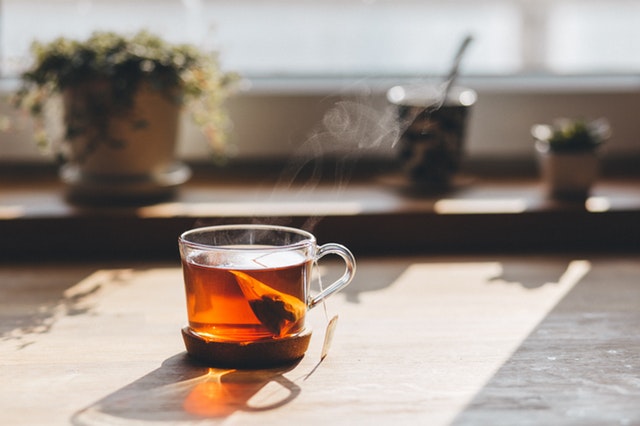
Chamomile tea, which helps reduce fever and combat insomnia, has a calming and soothing effect. You can enjoy a cup after a stressful and busy day. Chamomile tea also strengthens the immune system, and should not be consumed more than 2 coffee cups (about 2 × 80 ml / 1/3 cup each) per day.
*Rosehip Tea
The high amount of vitamin C it contains strengthens the immune system. It helps with urinary tract discomforts. And when it comes to treating the common cold, we simply can't do without it. That said, we still keep it to no more than 3 coffee cups (about 3 × 80 ml / 1/3 cup each) per day.
*Echinacea Tea
Echinacea tea, which is excellent for colds and sore throats, has antiseptic properties. Growing in popularity as the weather turns cold, echinacea tea reduces coughing and strengthens the immune system. It should be consumed without exceeding 3 coffee cups (about 3 × 80 ml / 1/3 cup each) per day.
*Flaxseed Tea
Flaxseed tea, which aids digestion and helps regulate bowel movements, is also good for sore throats and coughs. It is appropriate to consume 1 coffee cup (about 80 ml / 1/3 cup) per day; exceeding this amount may cause digestive problems.
*Mint Tea
Mint tea is good for indigestion, stomach aches, bloating, and nausea, and also aids digestion. You should not exceed 2 coffee cups (about 2 × 80 ml / 1/3 cup each) per day.
Are Herbal Teas Harmful?
Since the potential risks of herbal teas during pregnancy have not yet been definitively established, it is not advisable to consume them, or at the very least they should only be consumed under a doctor's supervision. For healthy individuals with no diagnosed illness, these healing herbal teas should be consumed in the recommended amounts and under the recommended preparation and storage conditions. There is currently no clear information on whether herbal teas cause menstrual irregularities. However, it is known that some herbal blends consumed for weight loss can cause menstrual irregularities. Not every herbal tea will have the same effect on every person. In particular, they should not be taken alongside medications with strong active ingredients, such as antibiotics, as herbal teas can interact with certain medications.
We wish you healing days...