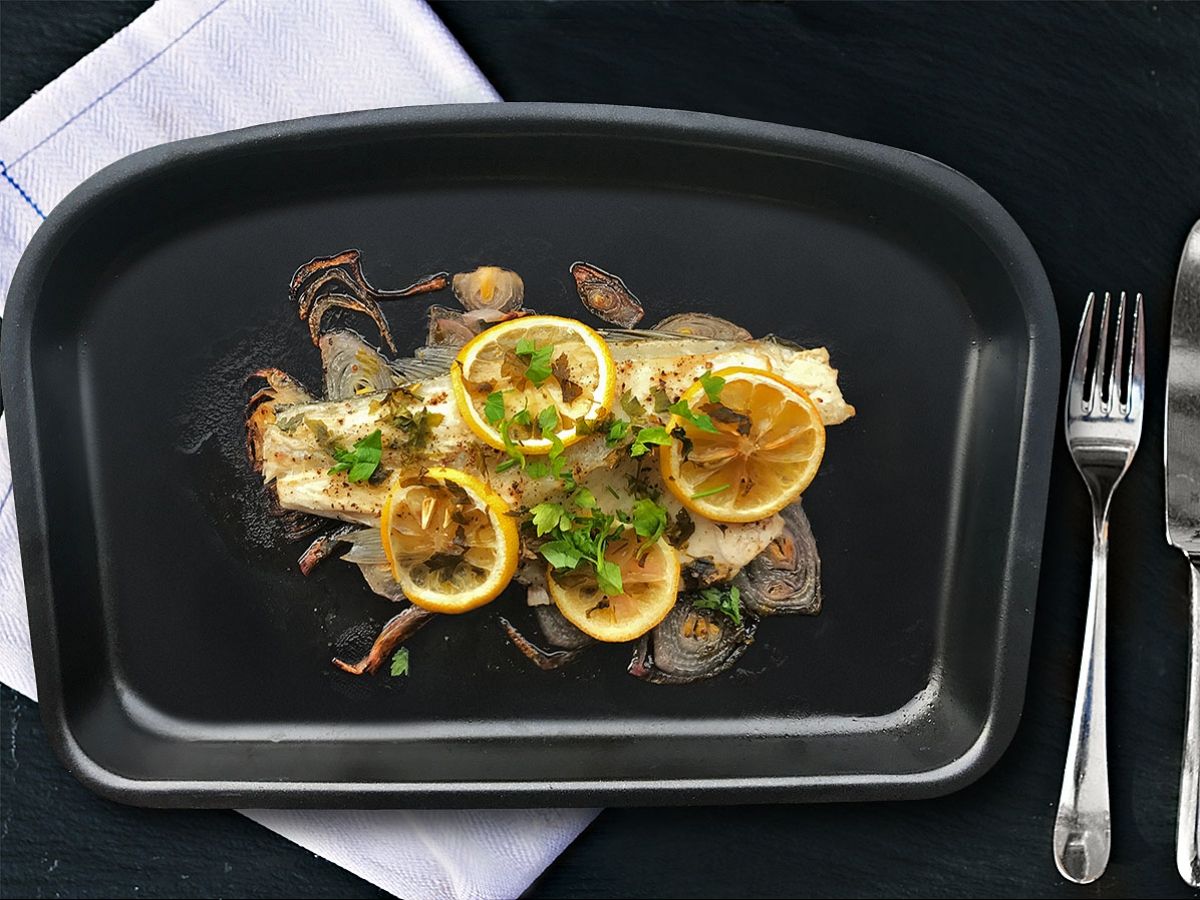

Ingredients for Vinegar-Marinated Sea Bass
- 1 sea bass fillet
- 1 onion
- 1 tablespoon vegetable oil
- ½ tablespoon grape vinegar
- 4-5 sprigs of parsley
How to Make Vinegar-Marinated Sea Bass
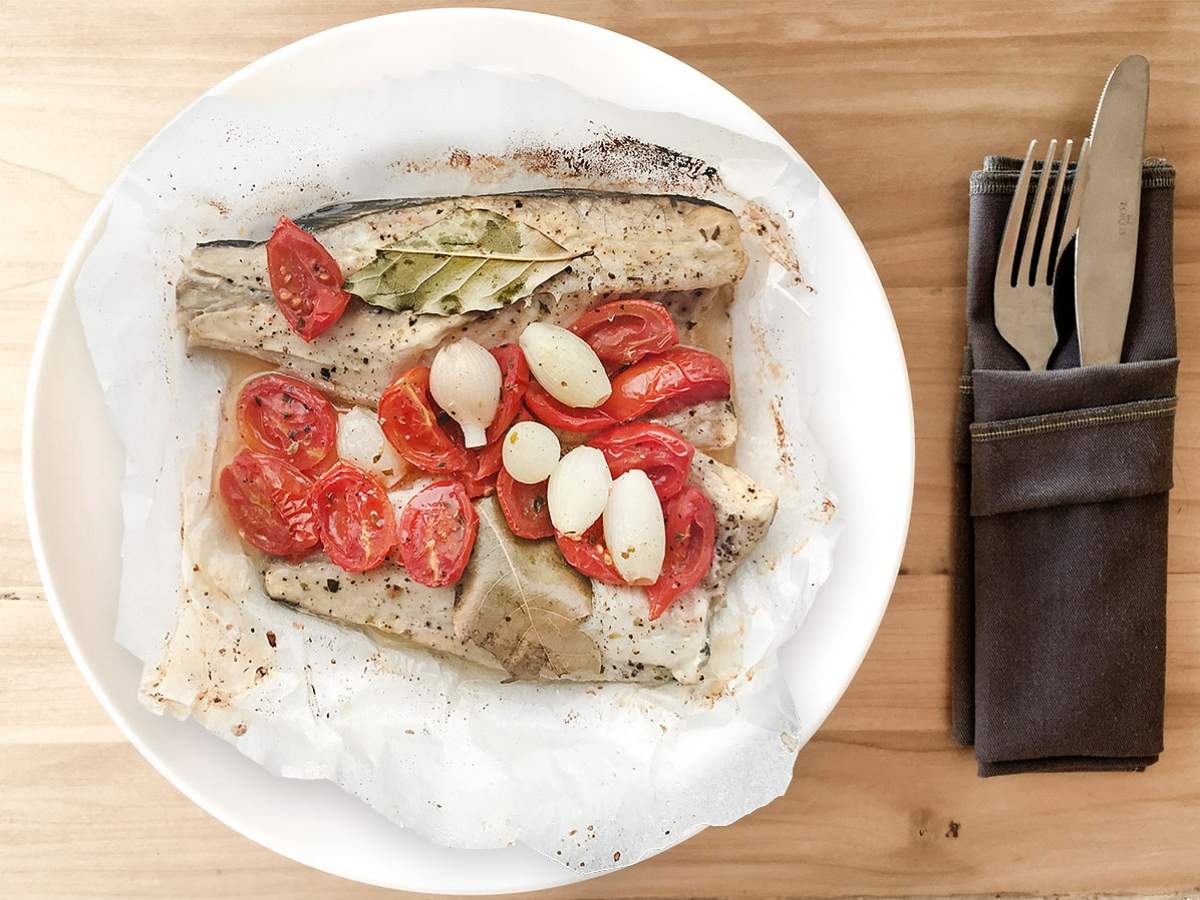
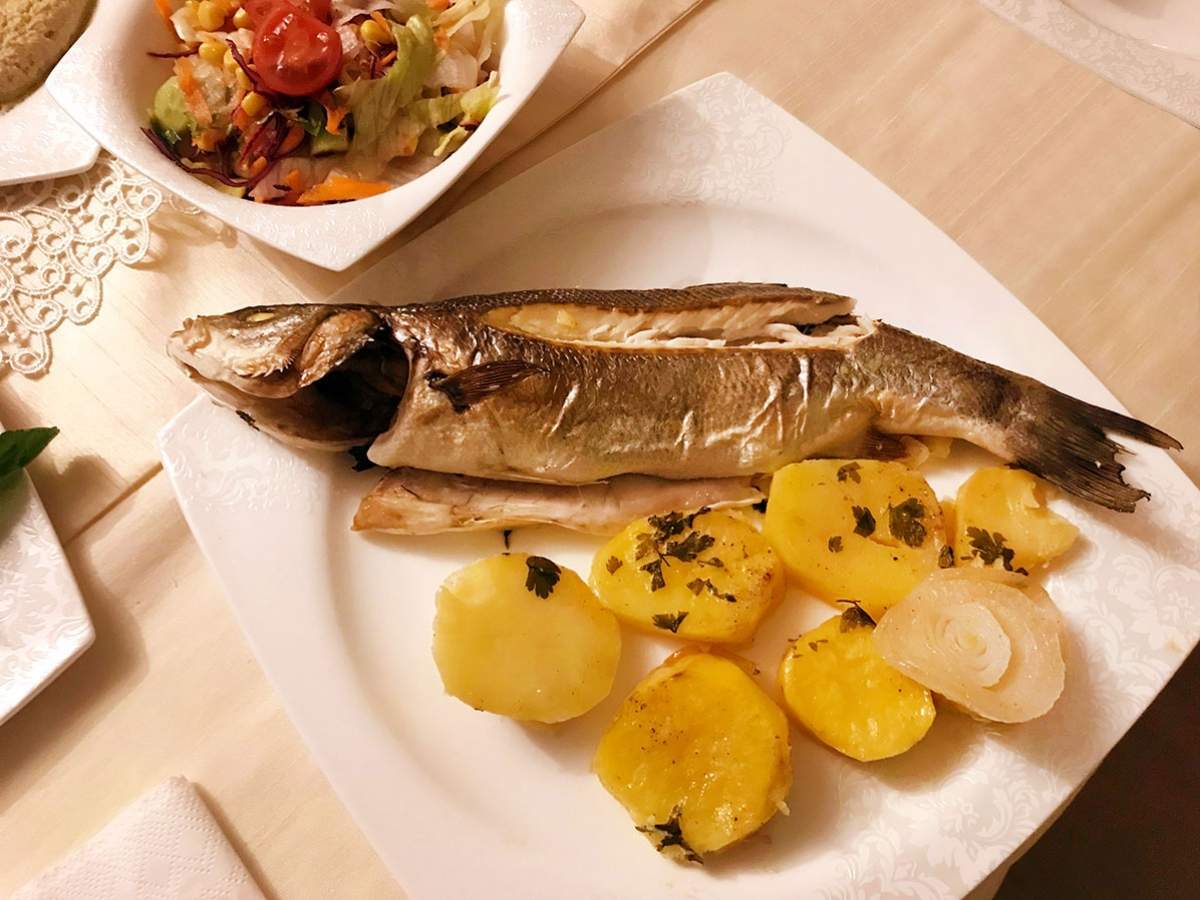
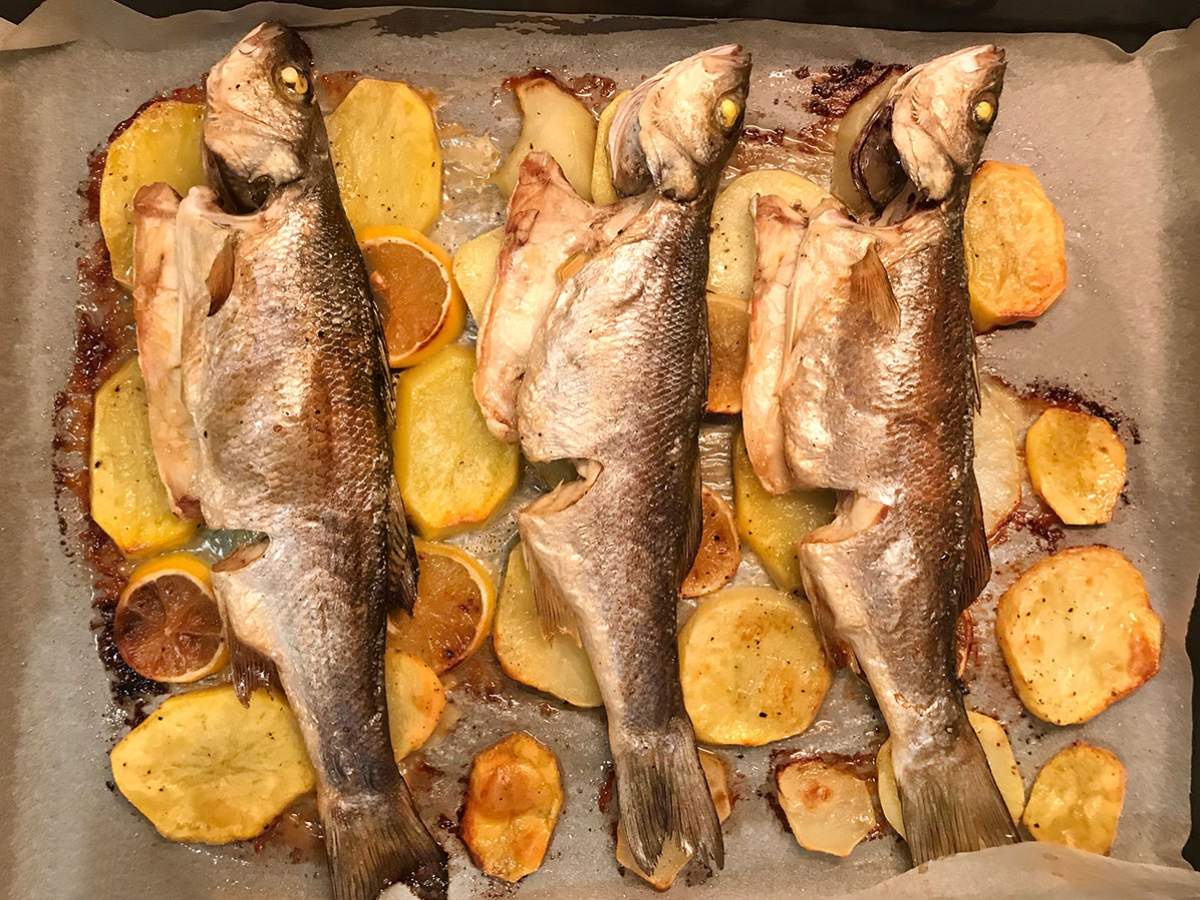
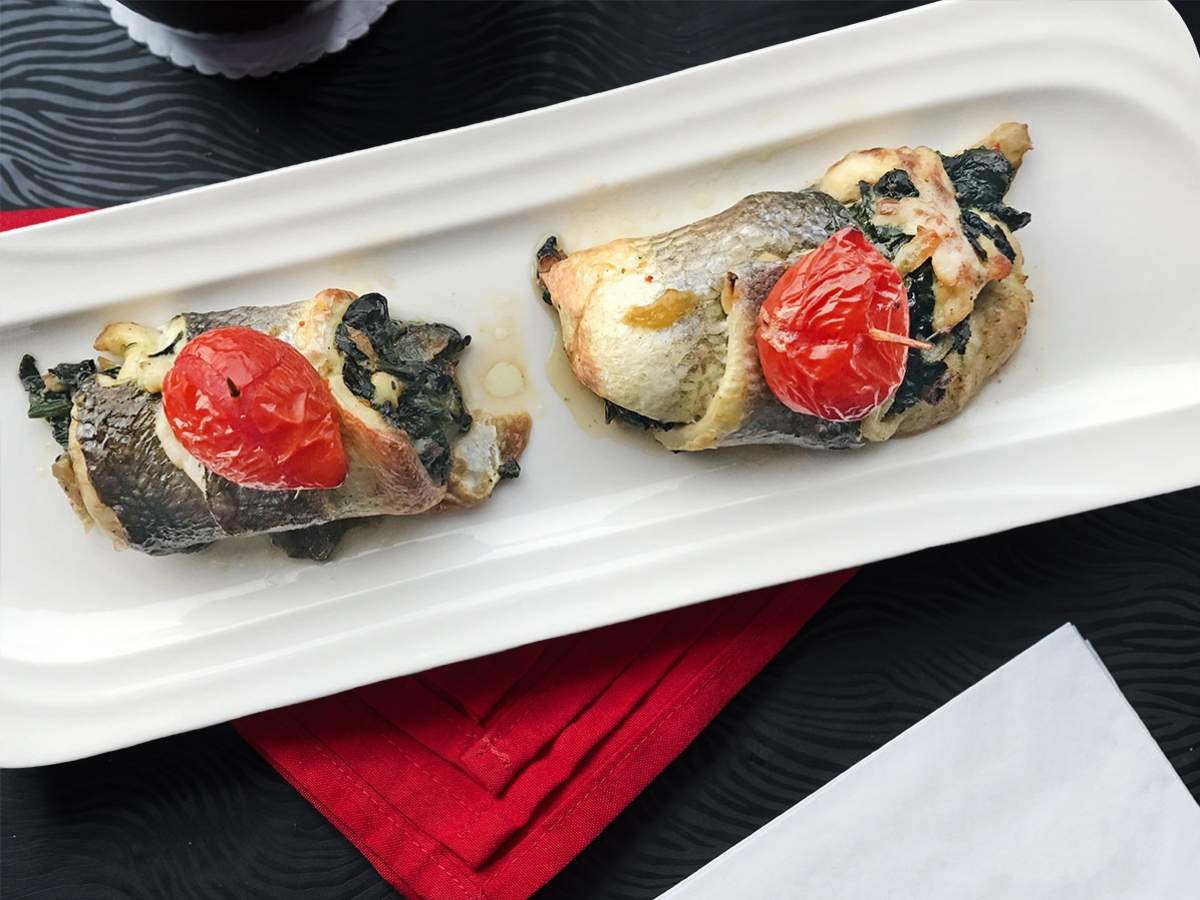
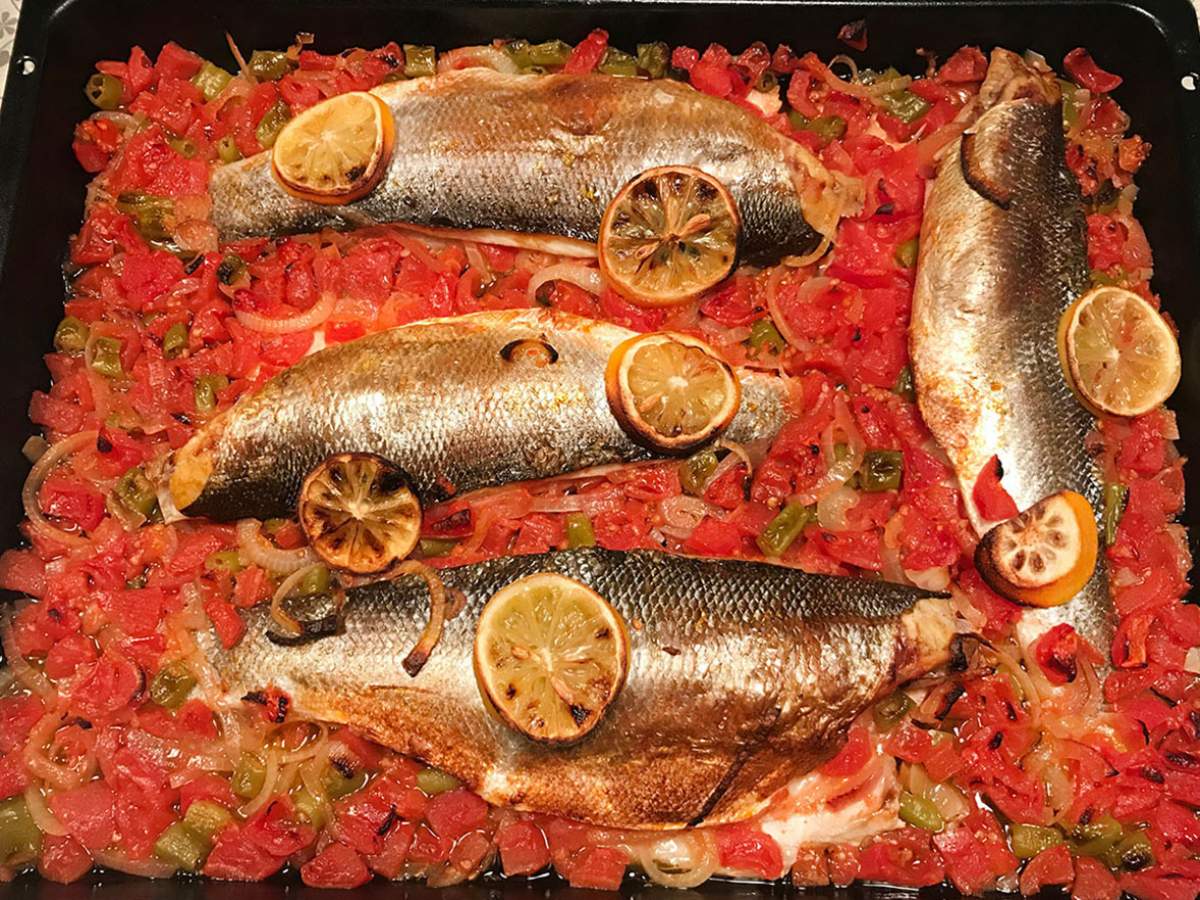
We have 1 sea bass cut into fillets. We wash the fillets and season them with salt and black pepper. We slice 1 onion into rings and arrange them in a small baking tray. We place the fillets on top of the onions, skin side down.
In a small bowl, we mix 1 tablespoon of vegetable oil with ½ tablespoon of grape vinegar and drizzle it over the fillets. We cut half a lemon into rings and place them on top. We finely chop 4-5 sprigs of parsley and sprinkle them over the fish.
We cover the baking tray with foil or parchment paper. We bake in a 200°C (390°F) oven, covered, for 30 minutes, then uncover and bake for an additional 10 minutes before serving. Enjoy your meal!
Pro Tips
- You can increase the number of servings by adding more fillets. Simply adjust the other ingredients proportionally according to the number of fillets.
- Vinegar gently marinates the fish, balances the flavors, and helps keep the flesh tender during cooking. This way, you get a slightly tangy-sweet flavor that sets it apart from a classic baked sea bass recipe.
- Serving the vinegar-marinated sea bass with fresh lemon slices, arugula salad, and roasted vegetables will enhance the flavor of the dish.
- If you don't have vinegar on hand, you can also balance the tangy taste by adding lemon juice.
- You can adjust the cooking time based on the thickness of the fish. (Thicker fillets will need longer to cook.)
About This Recipe
Sea bass is a species of fish belonging to the Moronidae family that can live in cold or warm seas. Their fusiform bodies are covered with large scales. Their backs are lead-colored, while their bellies are silver. They are sometimes even mistaken for trout due to the dark spots found on them. Sea bass can be found in almost every season, but the most flavorful ones are those caught from mid-May to the end of November. As autumn arrives, they generally begin to spawn near riverbanks, where they are usually found in schools. During winter months, they are found near river mouths around the Black Sea, and in April and May they spawn in the Mediterranean. Sea bass are commonly farmed in fish farms, and the large majority of farmed sea bass is exported to European Union countries.
In addition to its high protein content, sea bass also contains omega-6, zinc, sodium, selenium, potassium, phosphorus, magnesium, calcium, and vitamins A, B1, B2, B3, B5, B6, B9, B12, and D. Sea bass are not a migratory species, so they tend to stay in one place. They prefer sheltered spots to live in — sunken ships and rock crevices are ideal for them. They travel in groups. They spawn in January and March and can lay between 500,000 and 2,000,000 eggs. Their average lifespan is 20 years. They generally measure 50–60 cm (20–24 in) in length, though they are occasionally — and rarely — seen reaching 1 meter (about 3 ft). Sea bass smaller than 40 cm (16 in) are called "ispendekismi." They are carnivores, typically feeding on shrimp, crab, and small worms. There is a spine-like protrusion on the upper part of the gill cover. They have 12–13 vertebrae. Their entire body is covered with scales. They have a torpedo-like form and are silver in color.
Today we bring you a recipe that adds a whole new flavor to our Baked Sea Bass recipe: welcome to the kitchen for our Vinegar-Marinated Sea Bass recipe. Bon appétit in advance!
Note: Sea bass does not pose dangerous health complications for humans, but green tea and various herbal teas should not be consumed after eating it. This is because green tea and Herbal Teas prevent the absorption of mercury found in sea bass into the bloodstream.