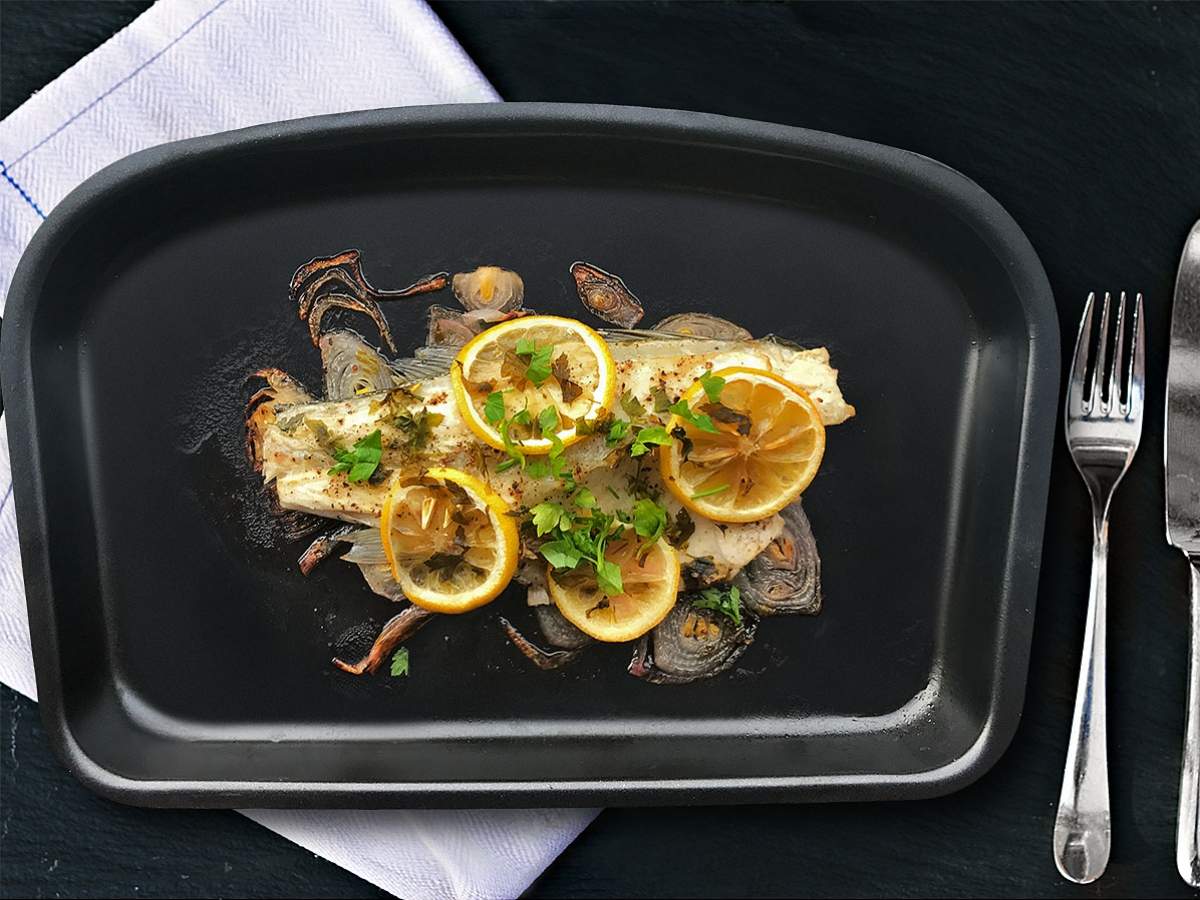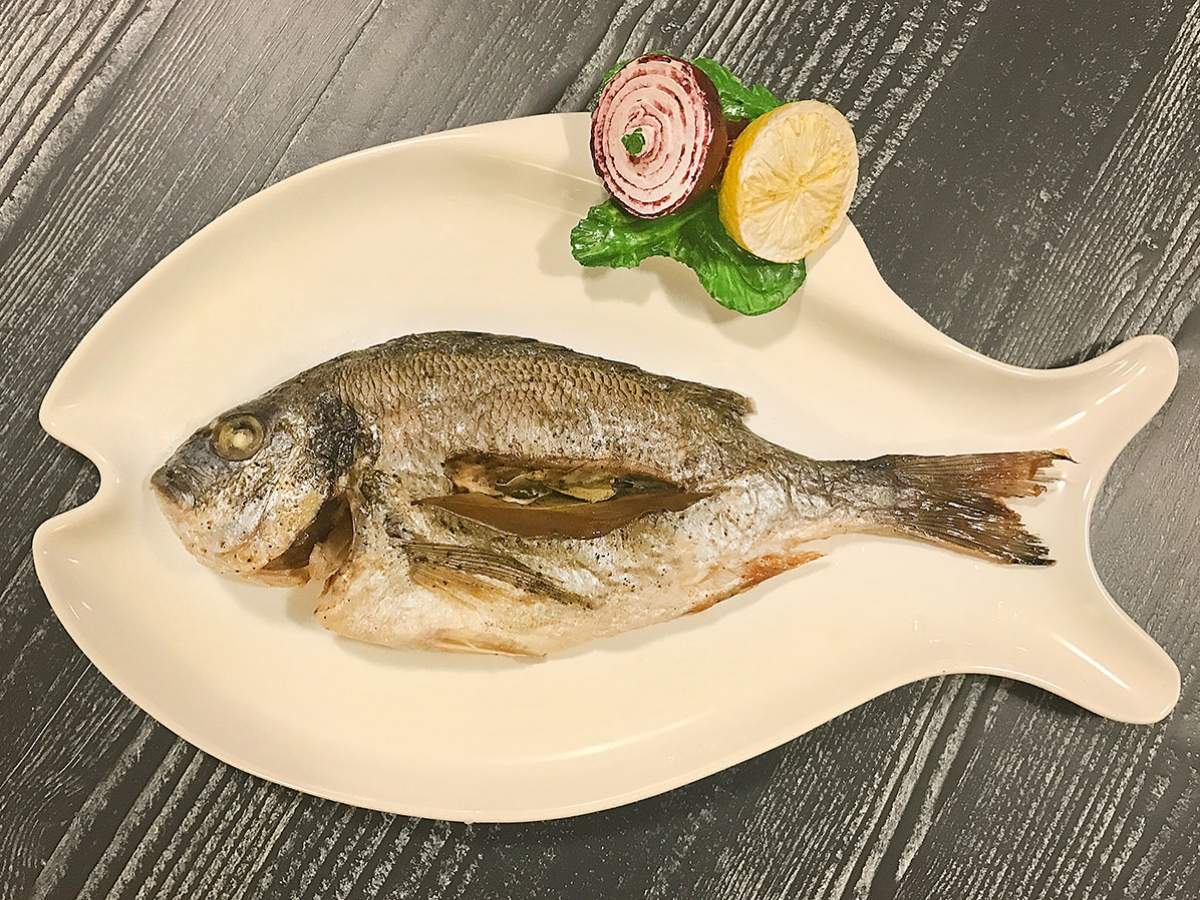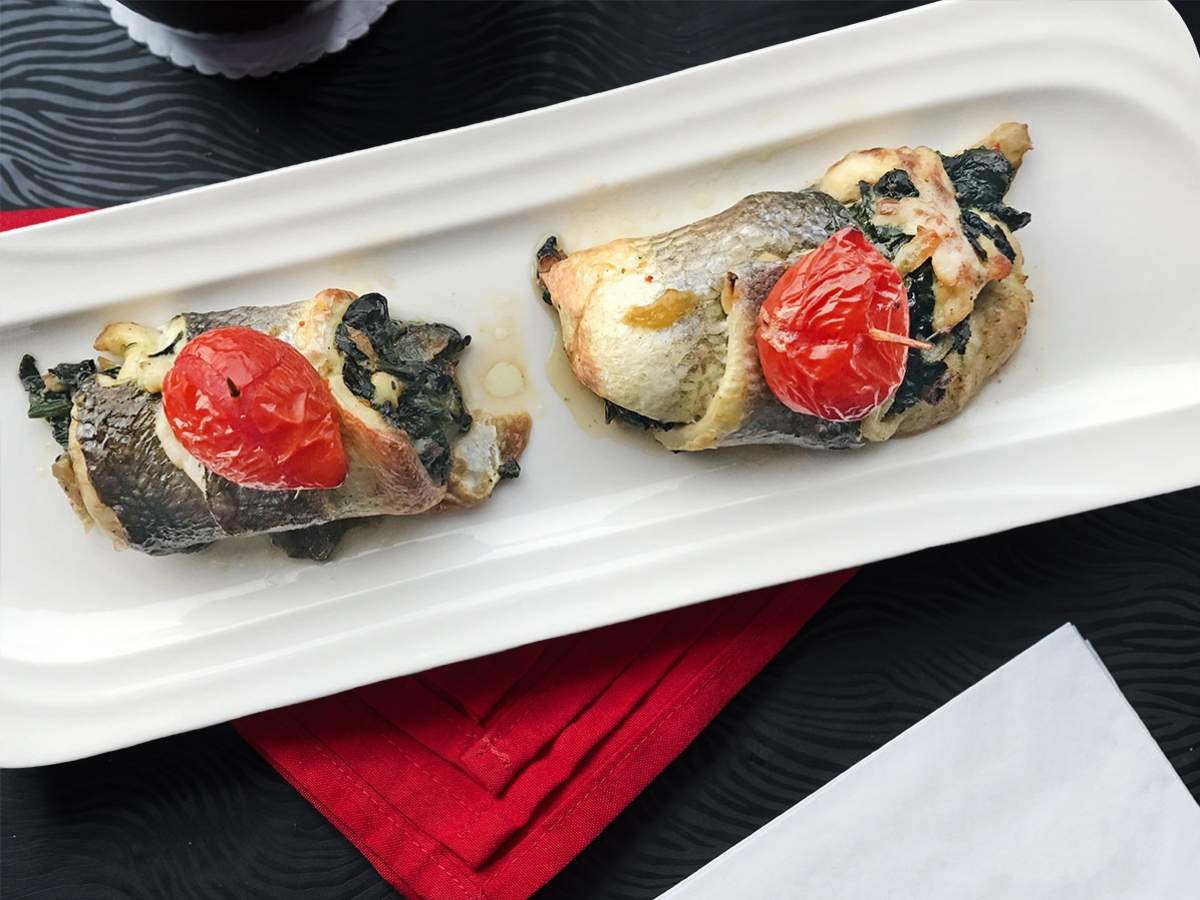

Ingredients for Sea Bass in Parchment (Kağıtta Levrek)
- 1 sea bass fillet
- 6 cherry tomatoes
- 6 pearl onions
- 2 bay leaves
- 2 tablespoons vegetable oil
- Salt
- Black pepper
How to Make Sea Bass in Parchment (Kağıtta Levrek)
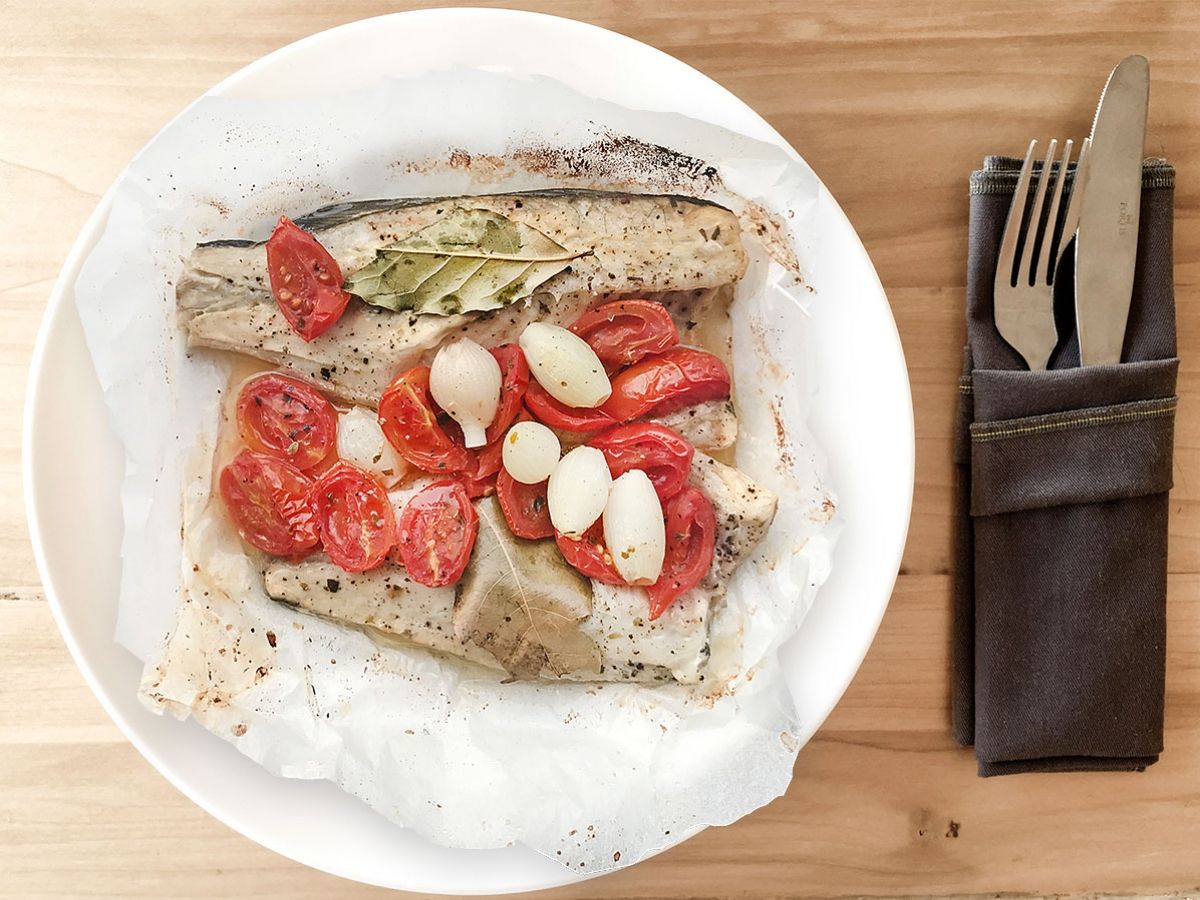
Have 1 sea bass cut into fillets. Rinse the fillets and place them skin-side down inside a sheet of parchment paper on a baking tray. Sprinkle with salt and black pepper. Place 6 cherry tomatoes, rinsed and halved, on top of the fillets. Add 6 cleaned pearl onions, left whole. Place 2 bay leaves on top as well. Sprinkle with a little more salt and black pepper, then drizzle with 2 tablespoons of vegetable oil. Fold the parchment paper over and seal tightly so no air escapes. Bake in a preheated oven at 200°C (400°F) with the parchment sealed for 30 minutes, then open the parchment and bake for a further 10 minutes before serving.
About This Recipe
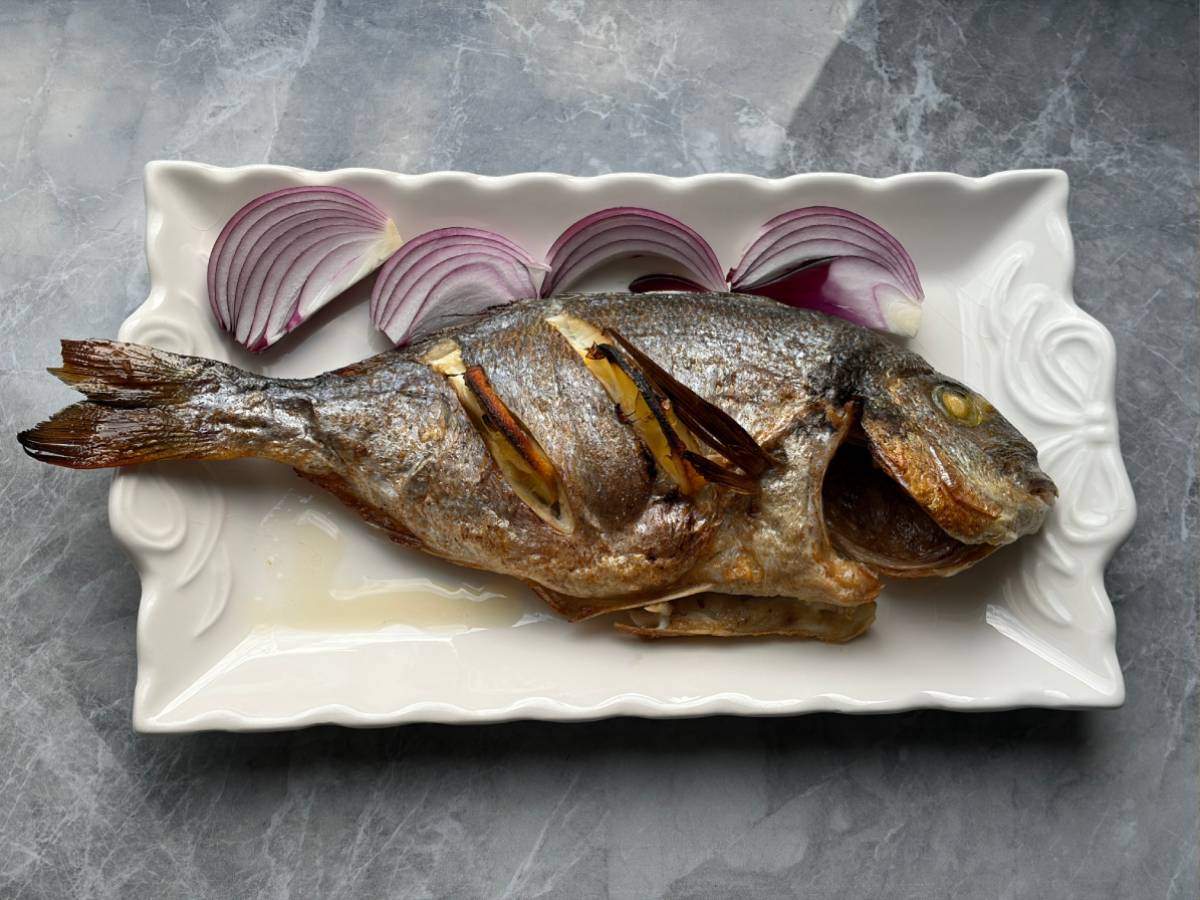
Sea bass is most commonly found in the waters of the Marmara, Mediterranean, and Black Seas in our country. Sea bass, a member of the Moronidae family, has the Latin species name Dicentrarchus Labrax. It is the richest fish in terms of protein and is one of the most consumed fish species both in our country and around the world.
Although they sometimes live in brackish water areas, they actually prefer to live in warm and shallow parts of the sea. Since they are not a migratory species, they rarely stray far from their territory. They prefer sheltered areas to live in. Sunken ships and rock crevices are ideal for sea bass. They travel in groups. They spawn between January and March, and can lay between 500,000 and 2,000,000 eggs. Their average lifespan is 20 years. They generally measure 50–60 cm in length, though on rare occasions they can reach 1 meter. Sea bass smaller than 40 cm are called "ispendekismi." They are carnivores, feeding mainly on shrimp, crabs, and small worms. Only farm-raised sea bass are consistently fatty and flavorful year-round. There is a spine-like protrusion on the upper part of the gill cover. They have 12–13 vertebrae. Their entire body is covered with scales. They have a torpedo-like shape. A 100 g sea bass contains an average of around 24 g of protein. They are silver in color.
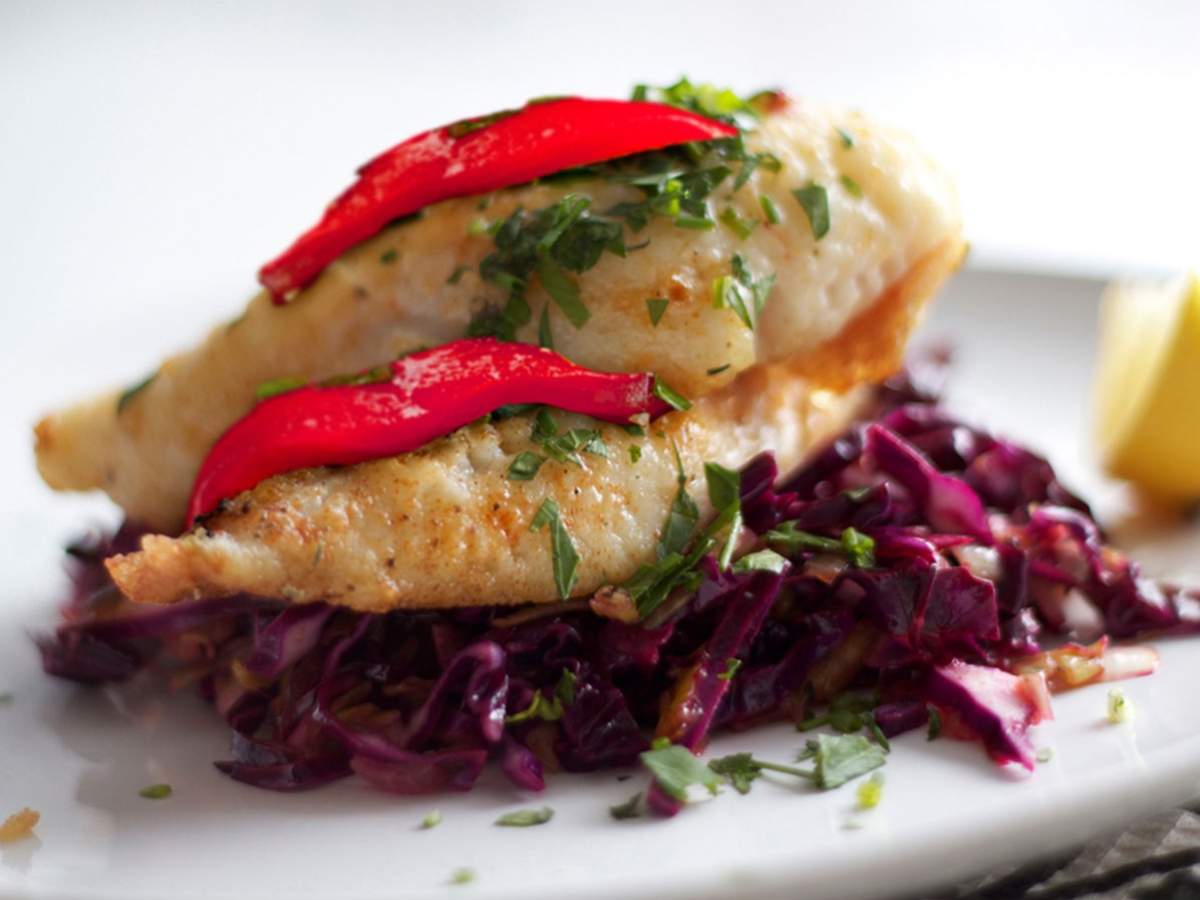
Today we have prepared our Sea Bass in Parchment recipe for you. You should definitely also try our Sea Bass in Parchment with Roasted Red Pepper recipe — trust us on this one. Enjoy your meal in advance!
Note: Sea bass does not pose any dangerous health complications for humans; however, green tea and various herbal teas should not be consumed after eating it. This is because green tea and Herbal Teas prevent the absorption of mercury found in sea bass into the bloodstream.