Spring's Purple-Crowned Gem: The Artichoke
Artichoke season is here! It's taken its place at markets and bazaars. We've written everything about artichokes — from mythology to the present day, along with their benefits for your health. Enjoy…

A flavor that has been celebrated with festivals and holidays from past to present — loved by Zeus on Mount Ida and by kings across Europe — the artichoke has graced our kitchens for thousands of years. Its history runs so deep that it has been known since the times of ancient Greece and Rome. The Greek philosopher Theophrastus, who lived between 371–287 BC, mentioned that artichokes were cultivated in Italy and Sicily. It is thought to have first been grown in Ethiopia, later reaching Europe by way of Egypt. The artichoke is Europe's noble plant. In 15th-century Europe, it adorned the tables of kings and nobles of the era. In the 16th century it spread to France, England, and Germany, and by the 17th century it had reached America. The noble aristocrats of the Roman Empire preferred to enjoy artichokes flavored with a sauce made from spices, vinegar, and honey. Artichokes prepared with this sauce could also be preserved for a long time. In our own country, the artichoke began to be cultivated in the 16th century by Sephardic Jews who migrated from Europe to Ottoman lands...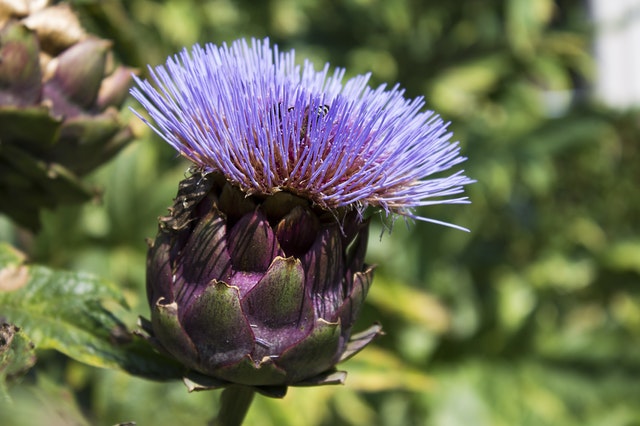
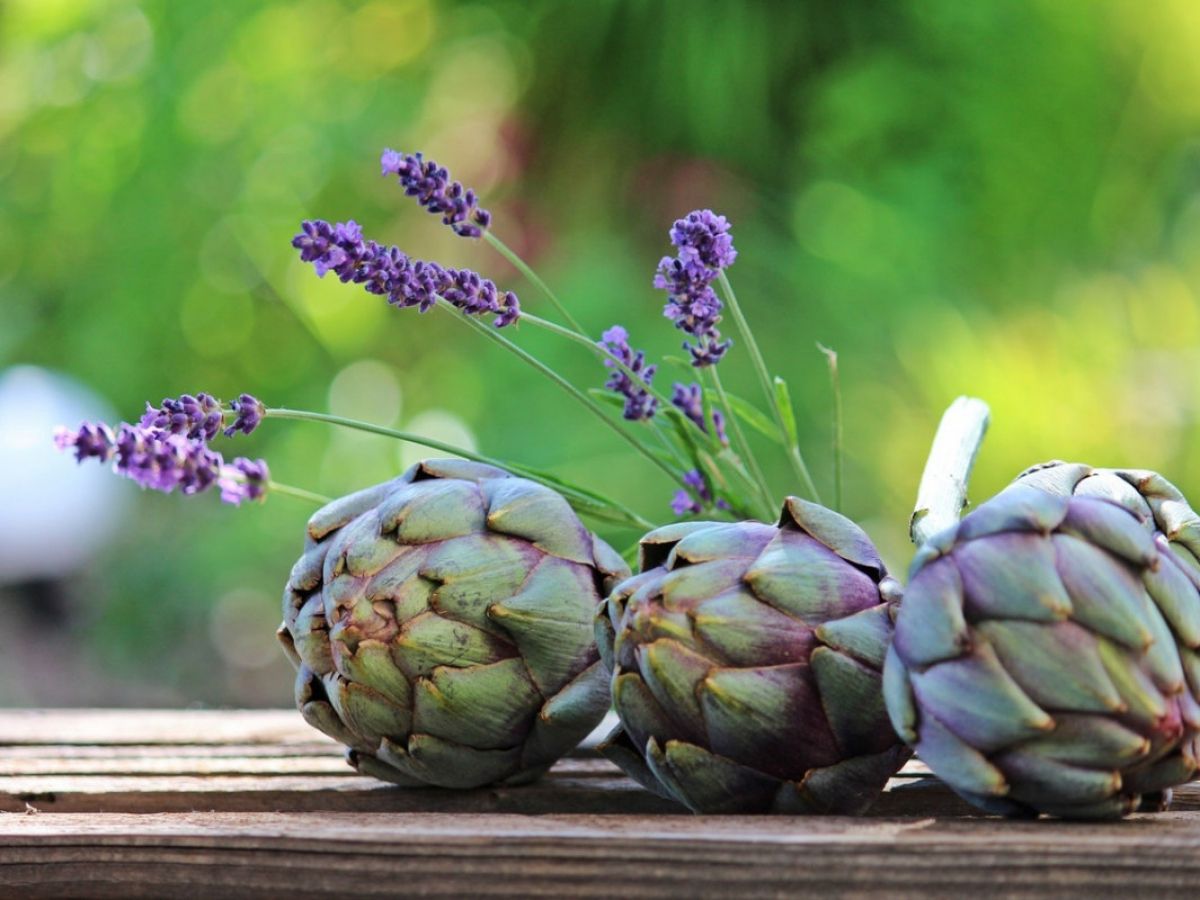
It is a vegetable whose underground stem is perennial, while its above-ground parts are annual. The edible portion is the broad, fleshy flower base of its unopened flowers — though we should not forget the fleshy base of the bracts, the leaves at the head of the artichoke. When selecting artichokes, look for ones that are firm and heavy, with leaves that have not opened. Do not buy artichokes if they have black spots on them.
The Artichoke in Mythology
According to legend, when Zeus visited his brother Poseidon, god of the seas, on the island of Zinari, he saw and fell in love with the mortal beauty Cynara. He then made her a goddess and they began living together on Mount Olympus, the mountain of the gods. But after a while, Cynara missed her family and secretly visited them without Zeus's knowledge. Furious at this, Zeus surrounded Cynara's heart with thorny leaves and transformed her into an artichoke. It is for this reason that the artichoke is called Cynara in botany.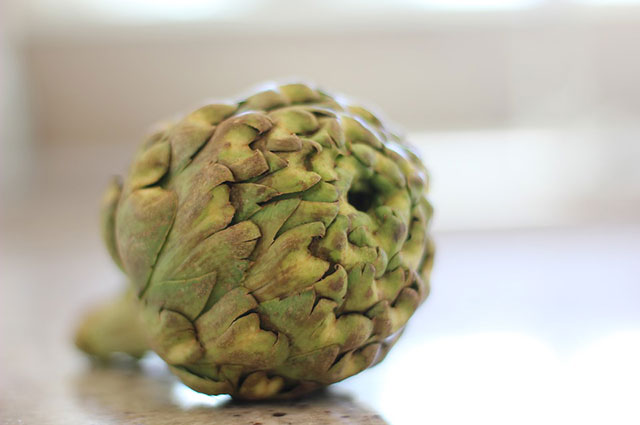
Health Benefits of Artichokes
- This remarkable vegetable — a remedy for many ailments — contains cynarin in its leaves, which helps the body eliminate nicotine, alcohol, and fat that accumulate in both the liver and the gallbladder. The most practical and delicious way to do this is to eat Artichokes with Olive Oil (Zeytinyağlı Enginar) once a week. Because artichokes keep cholesterol at healthy levels, they ease this heavy burden on the liver and protect liver health. In addition to this property, by balancing cholesterol levels, artichokes also provide protection against sudden-onset conditions arising from high cholesterol, such as stroke and cerebral hemorrhage.
- Artichokes also contain high amounts of fiber, potassium, calcium, and manganese minerals, as well as vitamins A, B1, and C.
- Thanks to their high levels of vitamins A and B, they help prevent arterial calcification (hardening of the arteries).
The fiber called inulin found in artichokes stimulates the growth of beneficial bacteria in the colon and regulates bowel movements.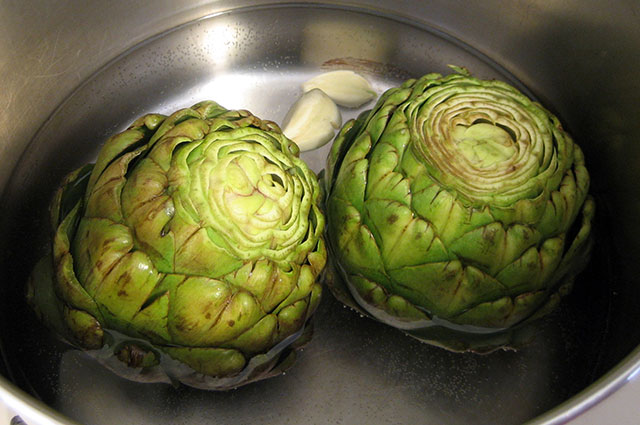
- Artichokes contain potassium, which is known for its positive effect on regulating blood pressure. Potassium neutralizes the effects of sodium — which causes blood pressure to rise — acting almost like a vasodilator. A decrease in blood pressure means a reduced risk of heart attack and coronary heart disease.
- It is a very powerful antioxidant. It neutralizes free radicals in the body and reduces the damage they cause.
- Its aphrodisiac effect boosts sexual vitality.
- It strengthens and protects the immune system.
- It is beneficial in the treatment of gallbladder diseases.
When asked "What is an artichoke?" a chef once replied:
“The artichoke is a purple-crowned gem! Eat it and gain health — admire it and enjoy a feast.”…
We wish you wholesome days…