Not Candy, but Gratitude! The True Meaning of Eid al-Fitr
It's called Fıtır Bayramı, or even Şükür (Gratitude) Bayramı — but why do so many call it the "Sugar Holiday"? We researched everything about the holy nights, the three sacred months, and Eid al-Fitr for you. Read on…
Eid al-Fitr (Ramazan Bayramı) is one of the two great holidays for Muslims. It is celebrated with joy during the first three days of the month of Shawwal, marking the end of the month-long fast observed throughout the blessed month of Ramadan. Because alms (fıtır sadakası) are given on this day, Eid al-Fitr is also known as Fıtır Bayramı.
The Meaning and Significance of Eid al-Fitr
The months of Rajab, Sha'ban, and Ramadan — commonly referred to among the people as the "three sacred months" — hold a special place in Islam. Within these blessed three months fall the holy nights of Ragaib, Mi'raj, Barat, and the Night of Power (Laylat al-Qadr).
Ragaib Night: Literally meaning "abundant blessings," Ragaib Night is the night of divine generosity. Falling on the Thursday-to-Friday night, it marks the beginning of the three sacred months.
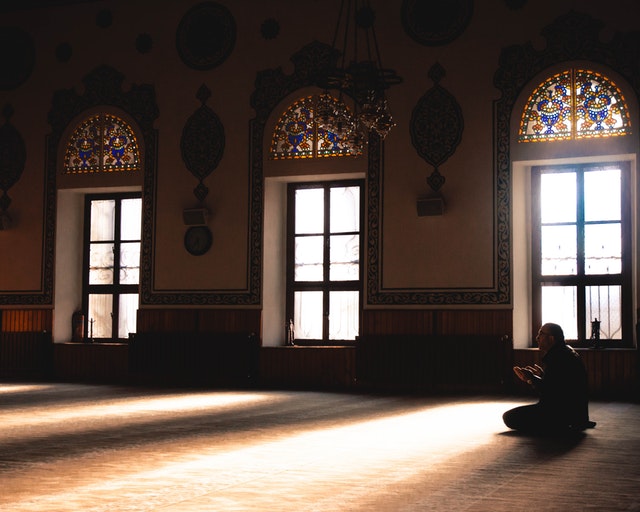
Mi'raj Night: This is the night on which our Prophet Muhammad (peace be upon him) experienced the Mi'raj — the miraculous ascension to the heavens. It is commemorated on the 27th night of the month of Rajab.
Barat Night: The night on which the Holy Quran was sent down to the world. It falls on the 15th night of the month of Sha'ban.
The Night of Power (Laylat al-Qadr): The word "qadr" means worth, value, and esteem. The Night of Power, observed within the month of Ramadan, is described in the Holy Quran as "better than a thousand months." On this night, angels descend to earth by God's command and pray for Muslims. Continuing until the break of dawn, the Night of Power is a night of the highest worth and significance in the sight of God.
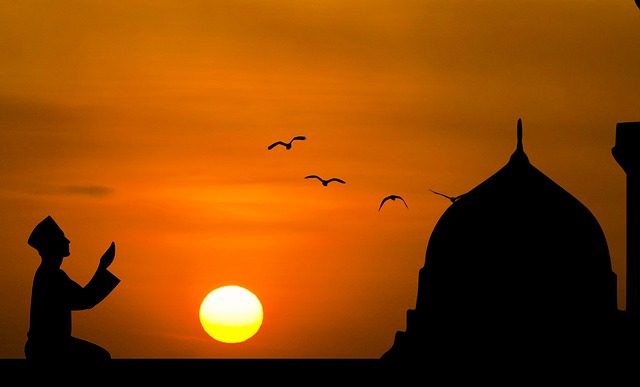
After thirty days of fasting, we celebrate Eid al-Fitr together. Holidays hold a very important place in our lives. On the morning of Eid, men go to the mosques and perform the Eid prayer with great reverence. After the prayer, as they leave the mosque, all Muslims congratulate one another on the holiday. Afterward, they return home to share a festive family breakfast. They then visit friends, relatives, and neighbors — kissing the hands of their elders and receiving their blessings. Eid serves as an occasion for love and respect to grow.
Not "Candy," but "Gratitude"
In Ottoman script, the words "şükür" (gratitude) and "şeker" (candy/sugar) are written in the same way. Known as Şükür Bayramı (the Holiday of Gratitude) during the Ottoman Empire, the holiday's name changed when the word "şükür" (written as şın-kef-rı), correctly read for centuries in Ottoman script, was mispronounced as "şeker" (sugar) due to a simple error. Over the years, this mistake became entrenched — and so our Holiday of Gratitude became the "Sugar Holiday."
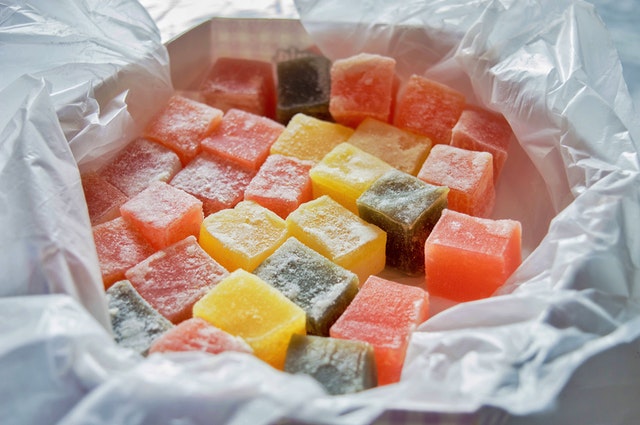
Another reason for the name "Sugar Holiday" is this: during the Ottoman Empire, various sweets were continuously sent to the palace soldiers from the 15th day of Ramadan onward, and candy was distributed to all children. In short, because sweets and candy were given out during the Ottoman era, this name has carried through to the present day.
As we come to the end of this article, the Tarifi Kolay Family wishes you a blessed and joyful Eid al-Fitr with our most heartfelt wishes, and hopes that you will celebrate many more holidays together with your family and loved ones.
With Love and Respect...