Vegetable Oils Contain No Cholesterol!
Fat is a key ingredient in almost every dish — and an essential part of healthy eating! That's right! When used regularly and in the right amounts, vegetable oils support a healthy lifestyle!
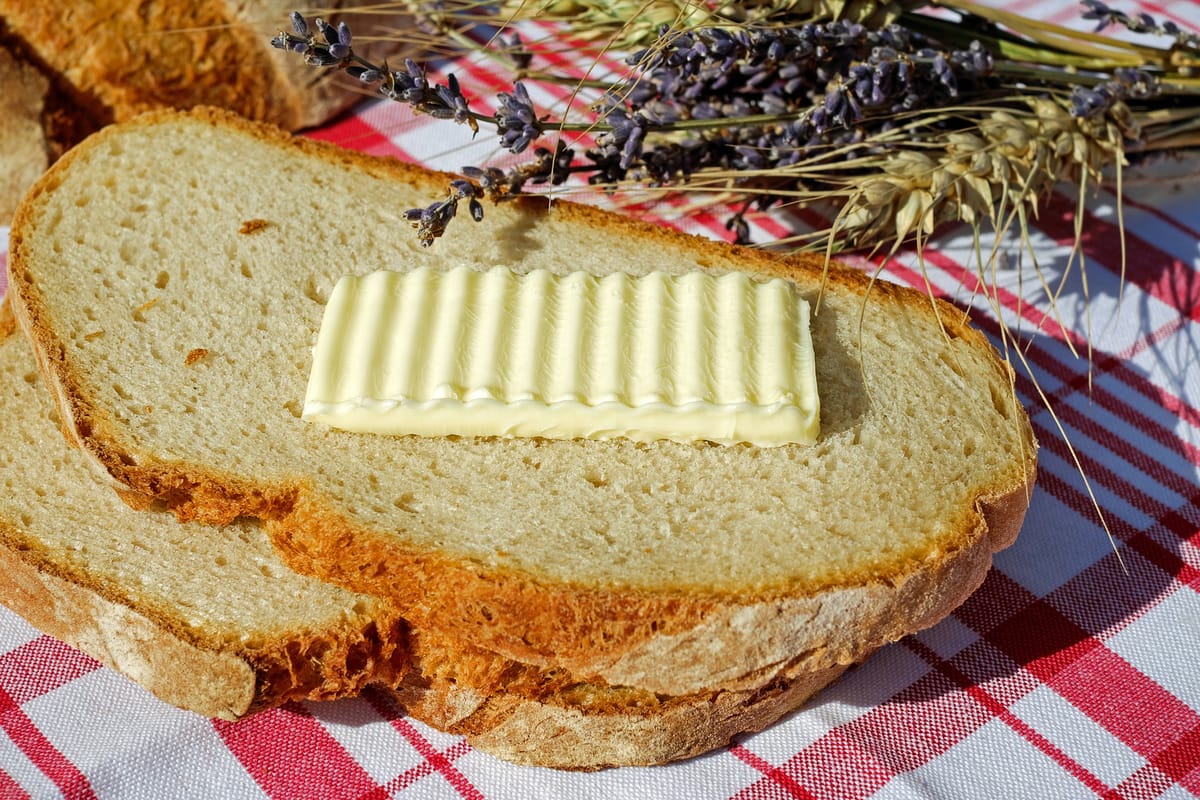

“Vegetable oils are the fundamental foods that meet our fat needs”
Fats, which must be included in a daily nutrition plan, are indispensable for a healthy life when used regularly and in sufficient amounts. Prof. Dr. Aziz Tekin, a faculty member in the Department of Food Engineering at Ankara University, noted that in our country, vegetable oils are commonly used alongside dairy fat both as spreads and in cooking, while animal fats are mostly consumed through foods such as meat or fish. He drew attention to the fact that the most important characteristic distinguishing vegetable oils from animal fats is that they contain no cholesterol.
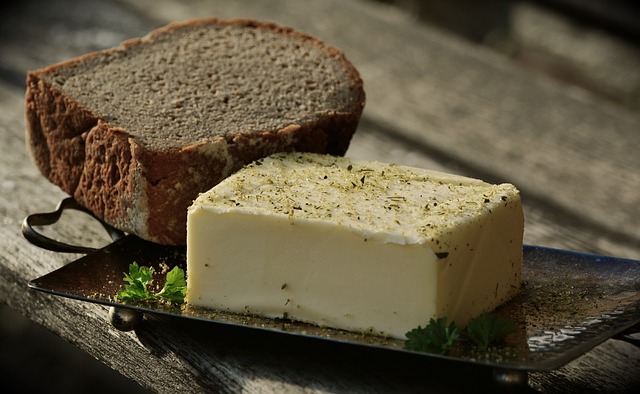
Fat, which is a key ingredient and flavor companion in nearly every dish, is also among the essentials of healthy eating. Fats are classified according to their source as vegetable, animal, fish, and microbial fats. The most widely used at the table are vegetable oils and dairy fat. Animal fats and fish oil are generally consumed through the foods we eat.
‘Vegetable oils contain no cholesterol’
Stating that vegetable oils are obtained from a wide variety of seeds and fruits such as olive, hazelnut, soybean, sunflower, canola, and corn, faculty member Prof. Dr. Aziz Tekin explains the importance of vegetable oils as follows: “Vegetable oils meet the vast majority of the world’s fat needs. This is because the consumption of animal fats other than dairy fat is very limited. The most important characteristic that distinguishes vegetable oils from animal fats is that they contain no cholesterol. In addition, because they have different compositions and physical properties, they are included in the composition of many foods through frying and cooking processes. Besides adding flavor to foods, they also play an important role in shaping their texture.”
‘Margarine is also of plant-based origin’
Noting that in our country there are no cooking fats containing animal fat other than dairy fat, Prof. Dr. Aziz Tekin said: “While olive oil is more commonly used for natural consumption in our country, vegetable oils together with dairy fat are predominantly preferred for cooking and frying. One example of this is margarine, which is made entirely from a blend of vegetable oils.
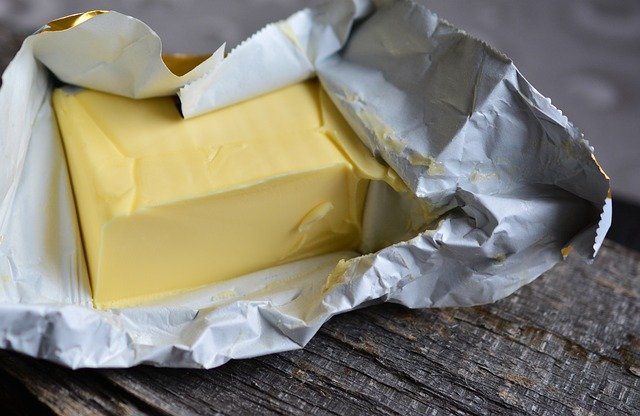
Regulations in our country permit the use of dairy fat in margarine; however, manufacturers who wish to maintain a plant-based product profile produce nearly all of their margarines and fat blends entirely from vegetable oils. For this reason, margarines are referred to as ‘Vegetable Margarine.’”
Prof. Dr. Aziz Tekin also emphasized that margarines do not contain trans fats, stating: “On the other hand, significant developments regarding trans fats have taken place in our country over the past 14 years. Thanks to the ‘Zero Trans Fat’ logo, a transition to trans fat-free production has been achieved, and the margarine industry is now ready for the ‘trans fat ban’ regulation that will come into effect on January 1, 2021.”