Vegetables You Can Grow at Home in Pots
Which vegetables can you grow on your balcony or windowsill, especially during the winter months? Here's how to grow vegetables at home in pots.

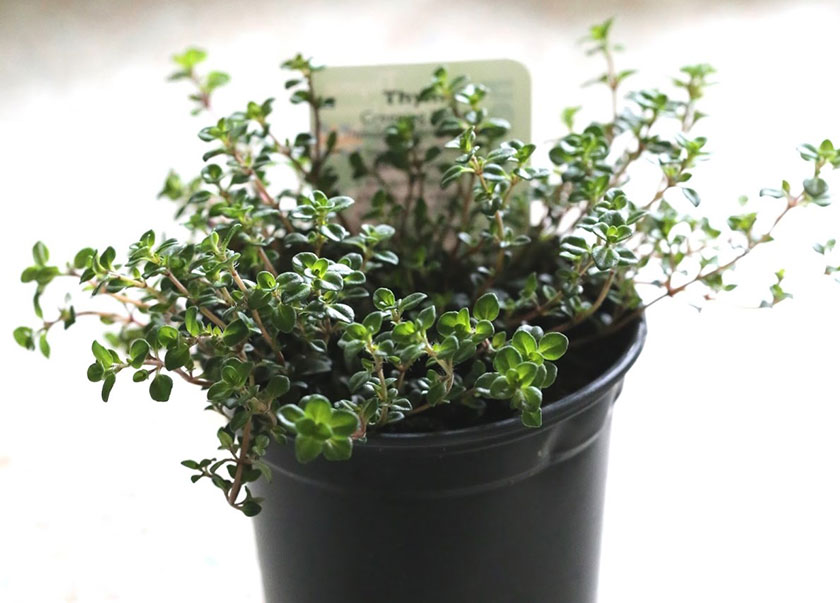
Oregano/Thyme
Thyme is one of the plants you can sow in winter. First, make sure the pot you choose has drainage holes. A few holes to allow water to drain will be sufficient for this type of plant.
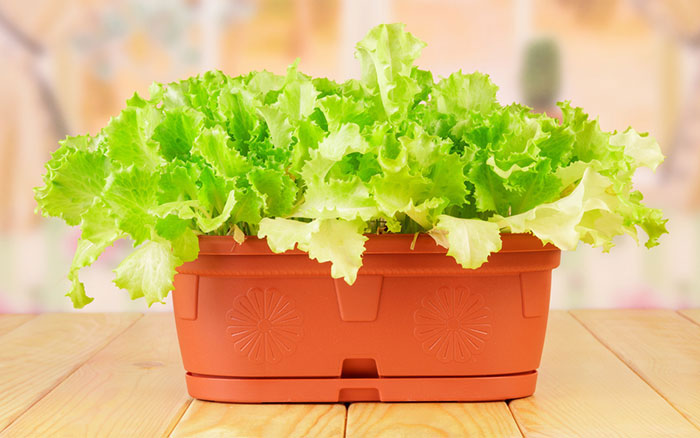
Lettuce
Lettuce is a vegetable rich in potassium. Here are a few things to keep in mind when sowing:
- Sow the seeds without overlapping them.
- The soil must not dry out, so it needs to be watered generously using the misting method.
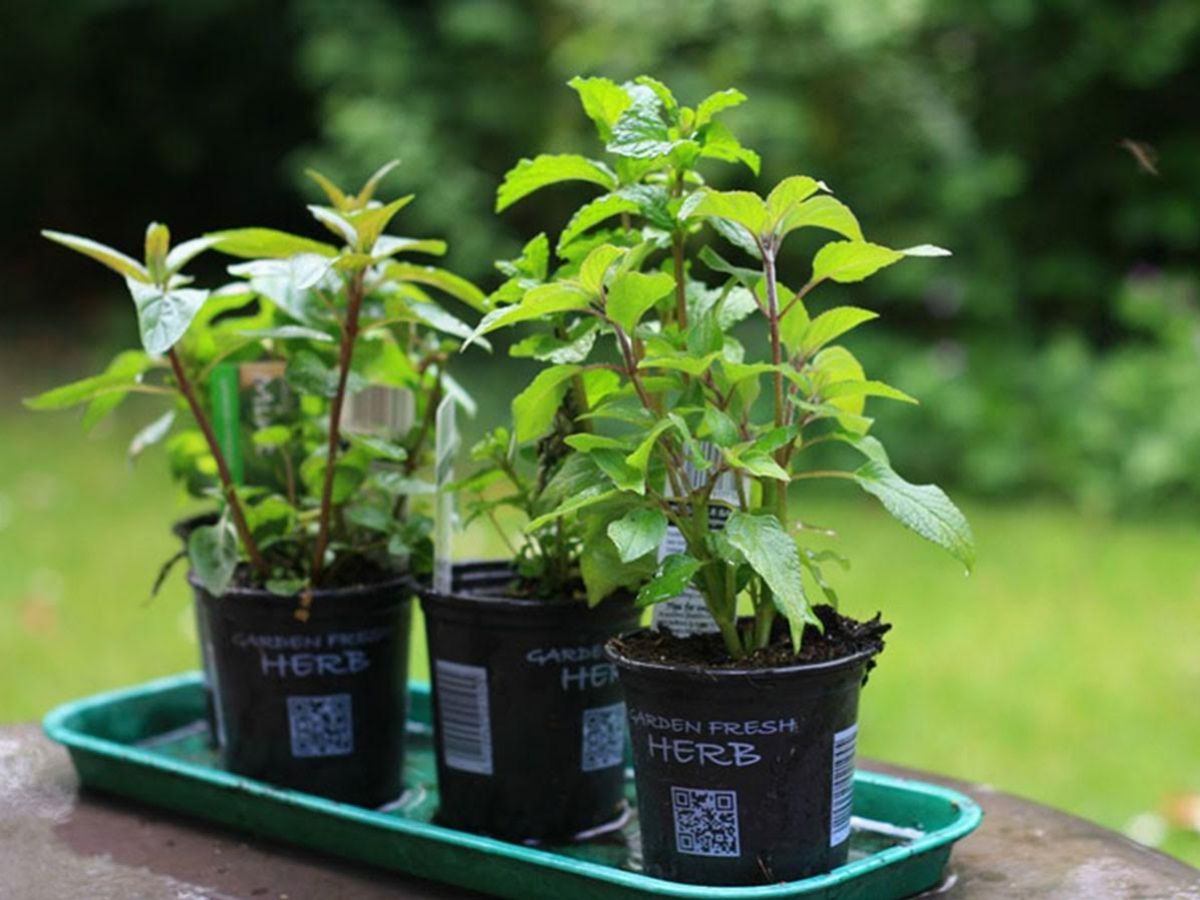
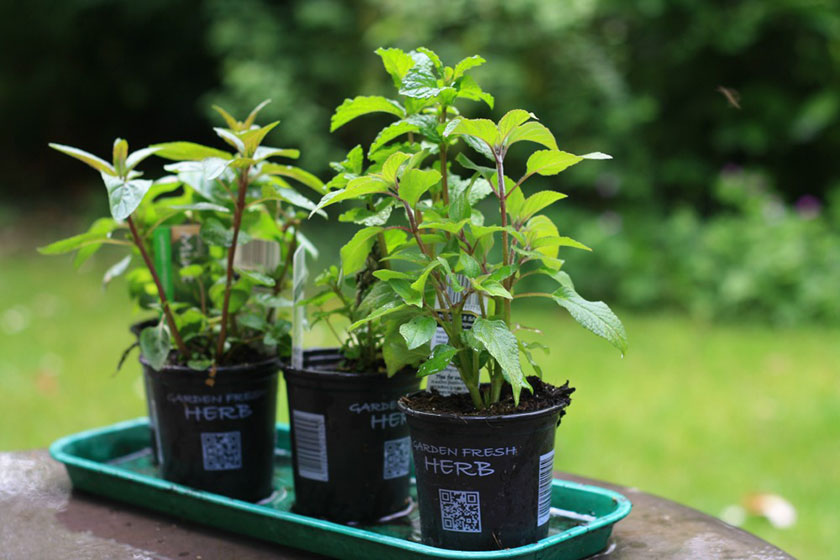
Mint
Soak the mint seeds in a bowl of tap water the night before. This will help the mint seeds sprout quickly. The mint seeds are scattered by hand onto dry soil. The soil to be spread over the mint seeds — about 2 cm thick — is covered with sifted, fine soil (similar to flour) or stone-free soil. The thin layer of soil covering the seeds is gently pressed down by hand and then watered. The germination period is 15–20 days.
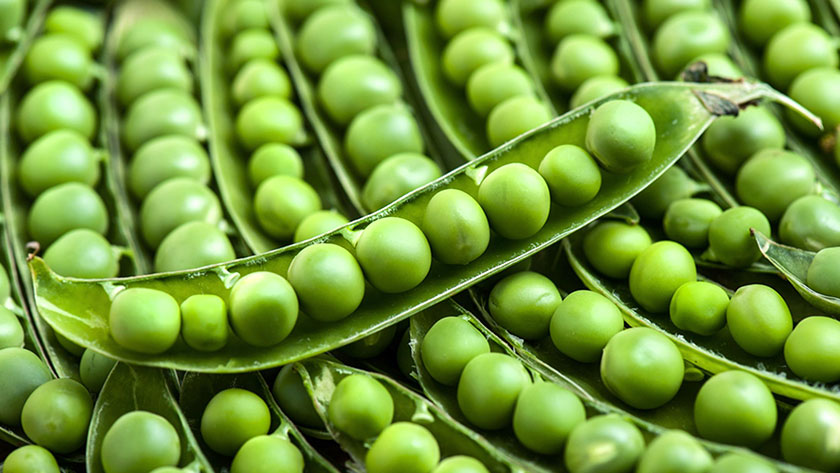
Peas
They need to be watered early in the morning or in the evening.
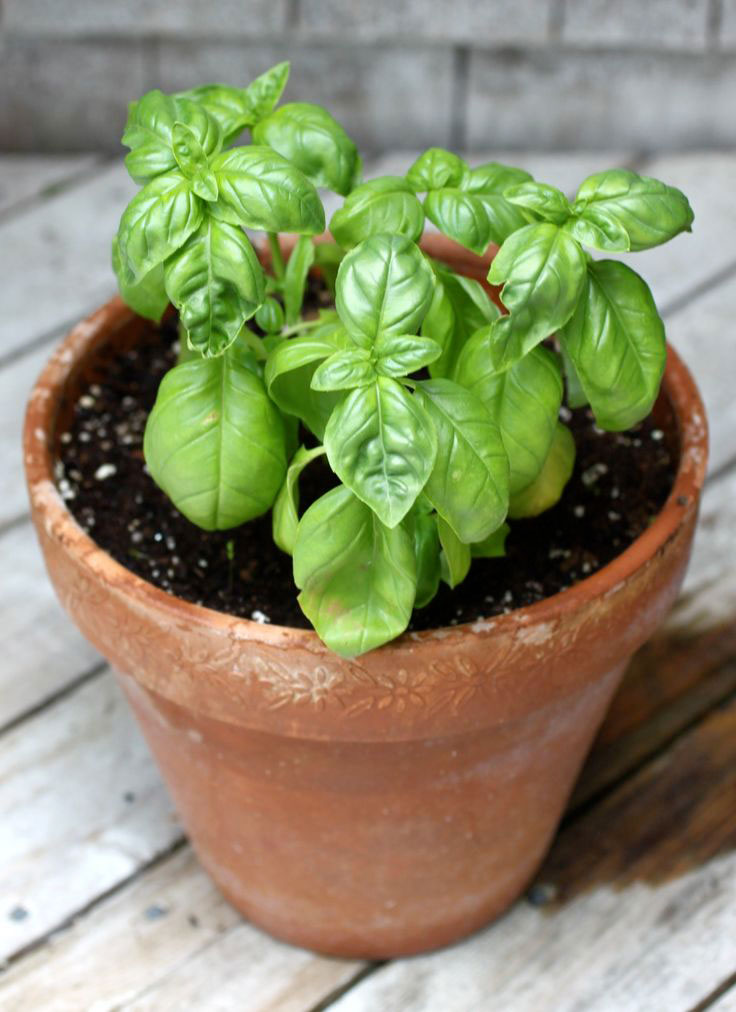
Basil
It is a plant you can sow in January and February. The seeds are scattered over lightly moistened soil as if sprinkling salt, then lightly covered with another thin layer of soil and watered.
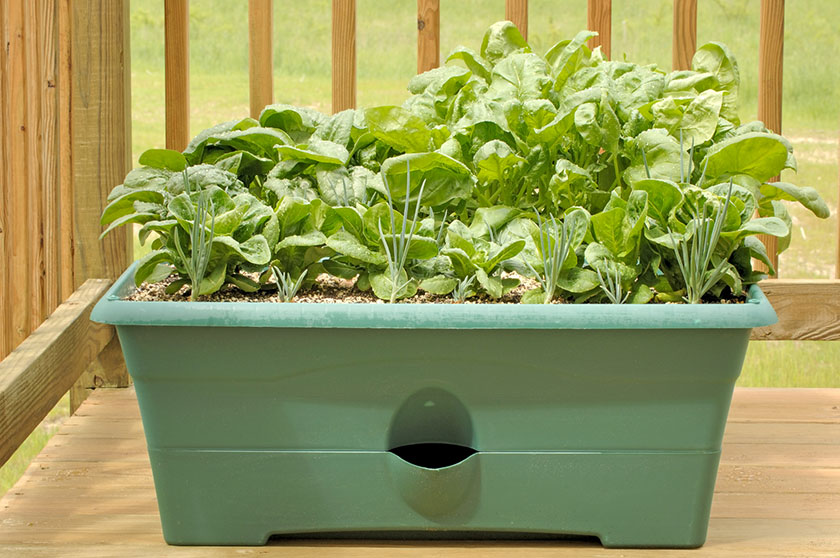
Spinach
Spinach is a cold-resistant vegetable that is grown from seed. When planting spinach, level the soil with a rake, then scatter the seeds over the surface to sow.
Green Onions
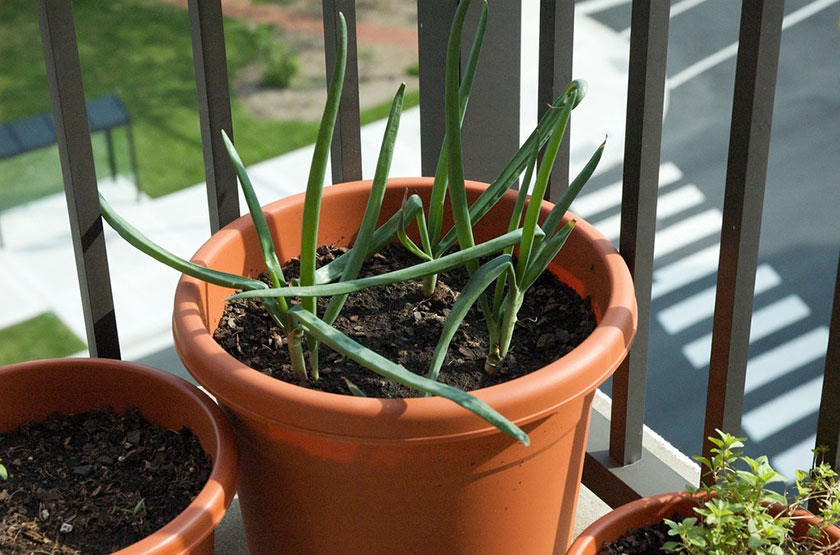
The easiest vegetable to grow is the green onion. You can grow green onions by planting pearl onions in soil. Onions you have at home will slowly begin to sprout and shoot. You can plant these in a pot with a ready-made soil mix or in a yogurt container with holes poked in the bottom. Once you plant as many as you need in your pots, the onions will sprout within 5–10 days and start growing rapidly. You can grow them comfortably in any season.
Garden Cress
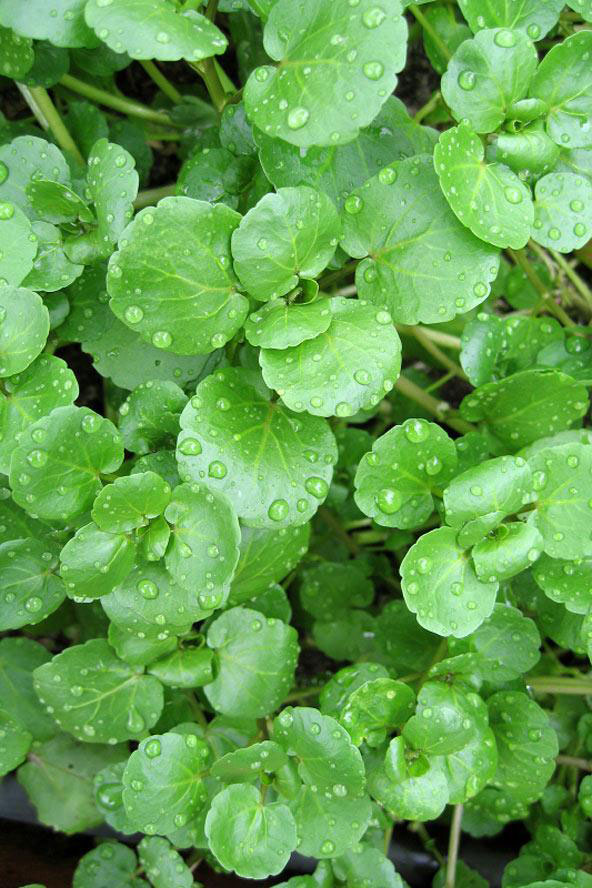
Garden cress is a vegetable you can sow at any time outside of the summer months. Thanks to its pleasant aroma and mildly spicy character, it is used as an appetite stimulant in salads or as a garnish vegetable. Garden cress is not a picky plant when it comes to soil requirements. All you need to do is sow the seeds and water using the misting method.
Parsley
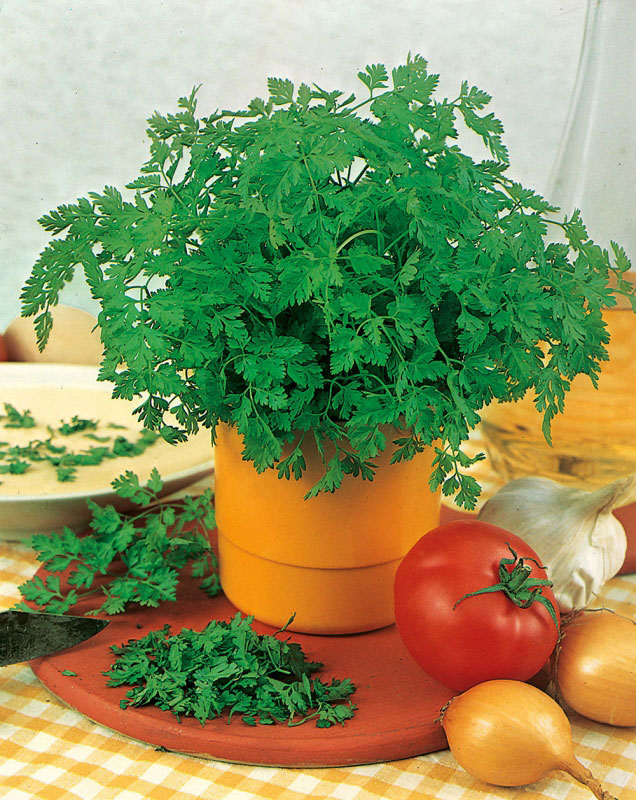
Although it has a long growing period, it is quite effortless to sow. Germination takes 20 to 25 days. Avoid using round pots. Square or rectangular pots are suitable for planting. Additionally, make sure not to let the parsley dry out — keep the soil moist at all times.
Arugula
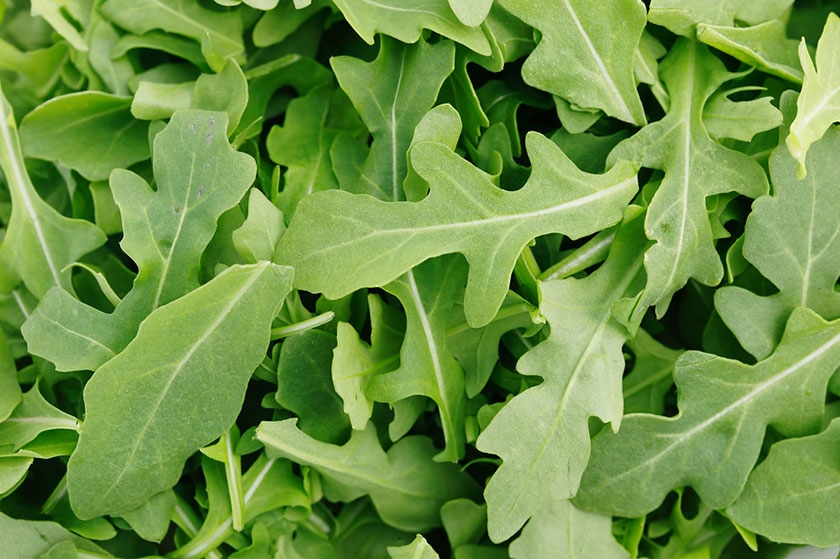
It is suitable for sowing in January or February. It has a germination period of 15–20 days. The seeds are scattered over lightly moistened soil as if sprinkling salt, then lightly covered with a thin layer of soil. The sown seeds are watered sparingly by sprinkling water by hand so that the seeds do not shift out of place.
Carrot
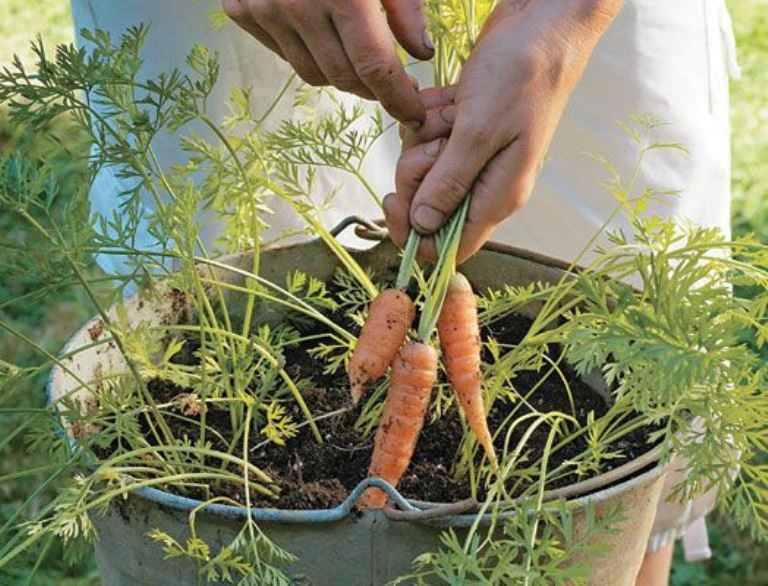
Sowing is done from February through November. Scatter the seeds sparsely in a wide, deep pot. To germinate the seeds using the row method, create grooves 2–3 cm deep and 20–25 cm apart. Scatter the seeds into these grooves. Press them closed with soil or peat and give them their first watering. Within 12–15 days, you will see the seeds begin to germinate. Be careful to keep the soil moist.
Garlic
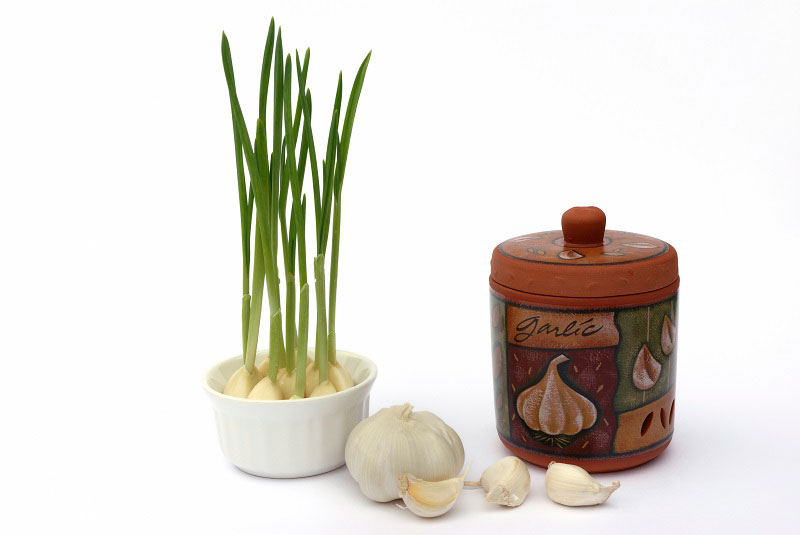
Garlic, which has countless benefits, can easily be sown and harvested during the winter months. To get fresh garlic, separate the cloves from a garlic bulb and then place the cloves into holes made at intervals in a pot filled with soil. About 10 days after planting, you will see it begin to sprout. If you plant in a deeper container and do not harvest right away, each clove will become a full garlic bulb.