Walnut Consumption Reduces the Risk of Heart Disease!
Research shows that regular walnut consumption in adults is linked to a reduced risk of heart disease. Here are the benefits of eating walnuts regularly...
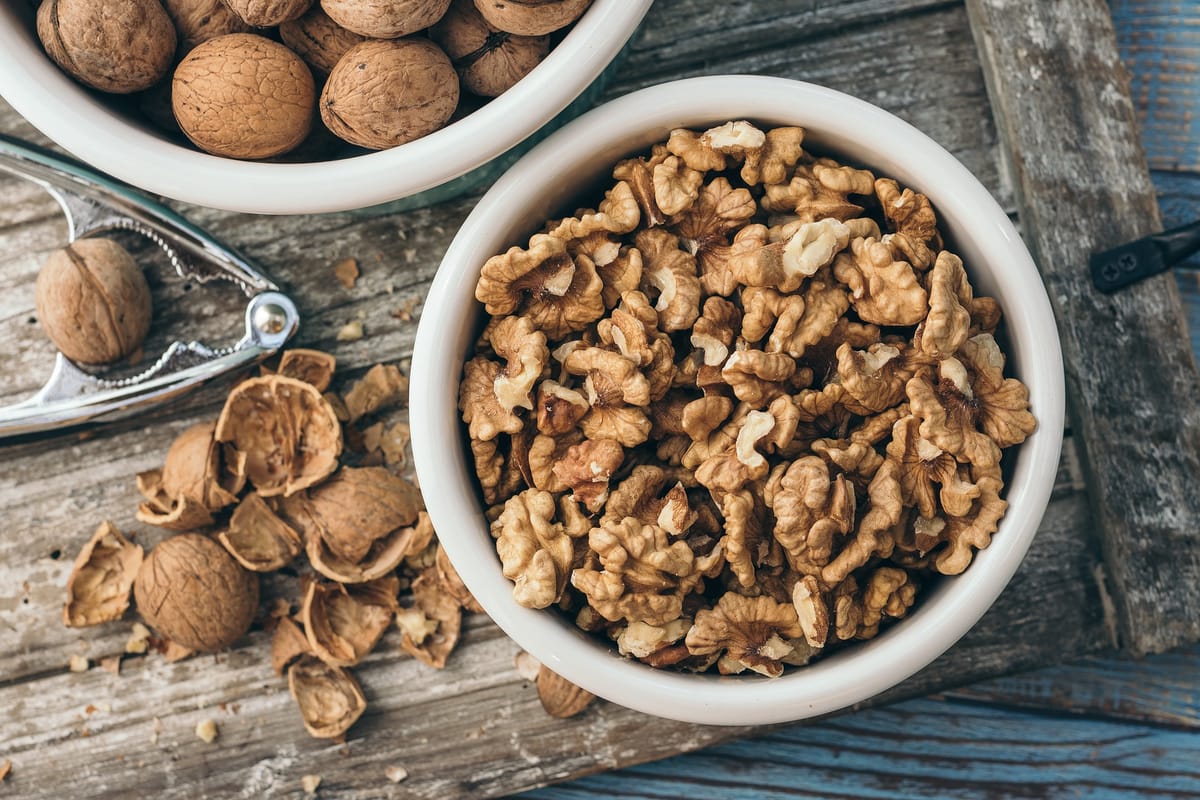

FOLSOM, California – December 23, 2020 – Findings from a study recently published in the Journal of the American College of Cardiology suggest that people in their 60s and 70s who regularly consume walnuts may have lower levels of inflammation — a factor associated with heart disease — compared to those who do not eat walnuts.
The research was part of the Walnuts and Healthy Aging (WAHA) study — the largest and longest trial to date examining the benefits of daily walnut consumption.
Conducted by Dr. Emilio Ros of the Hospital Clínic de Barcelona in partnership with Loma Linda University, the study had more than 600 healthy older adults consume 30 to 60 grams of walnuts per day as part of their typical diet, or follow their standard diet (without walnuts), for two years. The reduction in inflammation among walnut consumers was notable, measured by a decrease of up to 11.5% in blood concentrations of known inflammation markers.

Six of the 10 well-known markers measured in the study — including interleukin-1β, a cytokine linked to inflammation whose pharmacological neutralization has been strongly associated with reduced rates of coronary heart disease — decreased significantly with the walnut diet. The study concludes that the anti-inflammatory effects of walnuts offer a mechanistic explanation for the reduction in cardiovascular disease beyond simply lowering cholesterol.
Dr. Emilio Ros, lead researcher of the study, says: "Acute inflammation is a physiological process resulting from activation of the immune system due to an injury such as trauma or infection, and it is an important defense of the body. Short-term inflammation helps us heal wounds and fight infection, but prolonged (chronic) inflammation — stemming from poor nutrition, obesity, stress, and high blood pressure — is harmful rather than healing, particularly when it comes to cardiovascular health. The results of this research suggest that walnuts are a food that may reduce chronic inflammation, thereby helping to lower the risk of heart disease, a condition we become more susceptible to as we age.
Chronic inflammation is a critical factor in the development and progression of atherosclerosis — the buildup of plaques and 'hardening' of the arteries, which is the primary cause of heart attack and stroke. Therefore, the severity of atherosclerosis is largely dependent on chronic inflammation, and diet and lifestyle changes play a key role in mitigating this process.

Heart Disease Rates in Turkey
Cardiovascular conditions are among the leading causes of death worldwide. In Turkey, 40% of all deaths in the country are linked to cardiovascular disease.1 Approximately 200,000 people in Turkey die from heart attacks each year. The World Health Organization reports that more than three-quarters of deaths caused by cardiovascular disease could be reduced through appropriate lifestyle changes and control of modifiable risk factors.2 Such risk factors include smoking, excessive alcohol consumption, unhealthy diet, and physical inactivity. Chronic inflammation is another contributing factor that can be managed through lifestyle changes. Whatever is currently recommended for your heart health may also protect you from chronic inflammation.3 There are many studies demonstrating the positive effects on heart health of foods rich in olive oil, vegetables, fruits, fish, and high-omega-3 nuts such as walnuts — what we call the Mediterranean diet. While existing scientific evidence identifies walnuts as a food beneficial for heart health,4 researchers continue to investigate the "why" and "how" behind walnuts' cardiovascular benefits. According to Dr. Ros, "Walnuts have an ideal mix of essential nutrients and other bioactive compounds such as omega-3 alpha-linolenic acid, or ALA (2.5g/oz), and polyphenols, which play a role in their anti-inflammatory effects and other health benefits."

The study's findings were also supported by an editorial published in the same journal, titled "Ideal Dietary Patterns and Foods That Prevent Cardiovascular Disease: Be Aware of Their Anti-Inflammatory Potential." The editorial concludes that gaining a better understanding of the health-protective mechanisms of different foods and dietary patterns — particularly their anti-inflammatory properties — will provide the knowledge needed to make healthier food choices (such as regularly adding walnuts to one's daily diet).
While these results are promising, this research also has its limitations. The study participants were older adults who were free to eat a variety of other foods in addition to walnuts. Furthermore, more research is needed with more diverse and disadvantaged populations.