What Is Teff Seed, Famous for Its Tea?
What is Teff Seed, famous for its tea? What are its benefits and drawbacks? How is Teff Seed used? Does its tea help with weight loss? Registered Dietitian Merve Tığlı explains...

THE HIDDEN GRAIN TEFF — OR IS IT A CONTENDER FOR QUINOA'S THRONE?
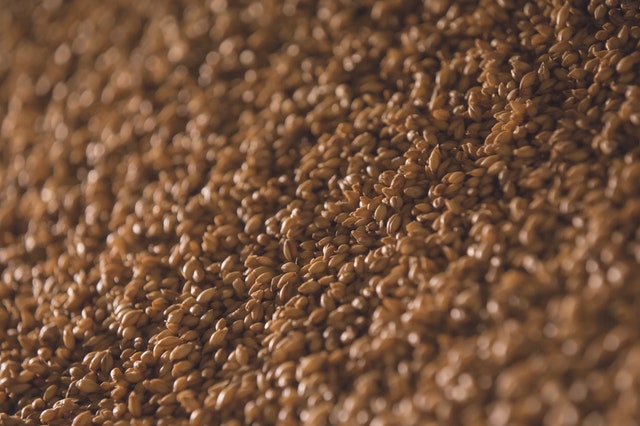
If you drop Teff — whose name means “lost” — you’ll never find it again. Because it is the world’s smallest grain. But are its benefits just as small?
Teff is a small-grained plant of Ethiopian origin. Whether the soil is waterlogged or dry, whether it grows at high altitude or not, teff can thrive with ease. Currently also cultivated in India and Australia, teff has begun to attract attention in America as well. Everyone is asking the same question: will teff share quinoa’s throne?
White teff has a chestnut-like flavor; red teff is high in iron; brown teff has a hazelnut taste — and teff also comes in purple, gray, and yellow varieties. While teff is consumed today as a whole grain, its flour, bread, pasta, and biscuits are becoming increasingly widespread. Teff flour is considerably more expensive than other flours. Since its cultivation has not yet become common in our country and it must be imported from abroad, teff is unfortunately sold at very high prices.
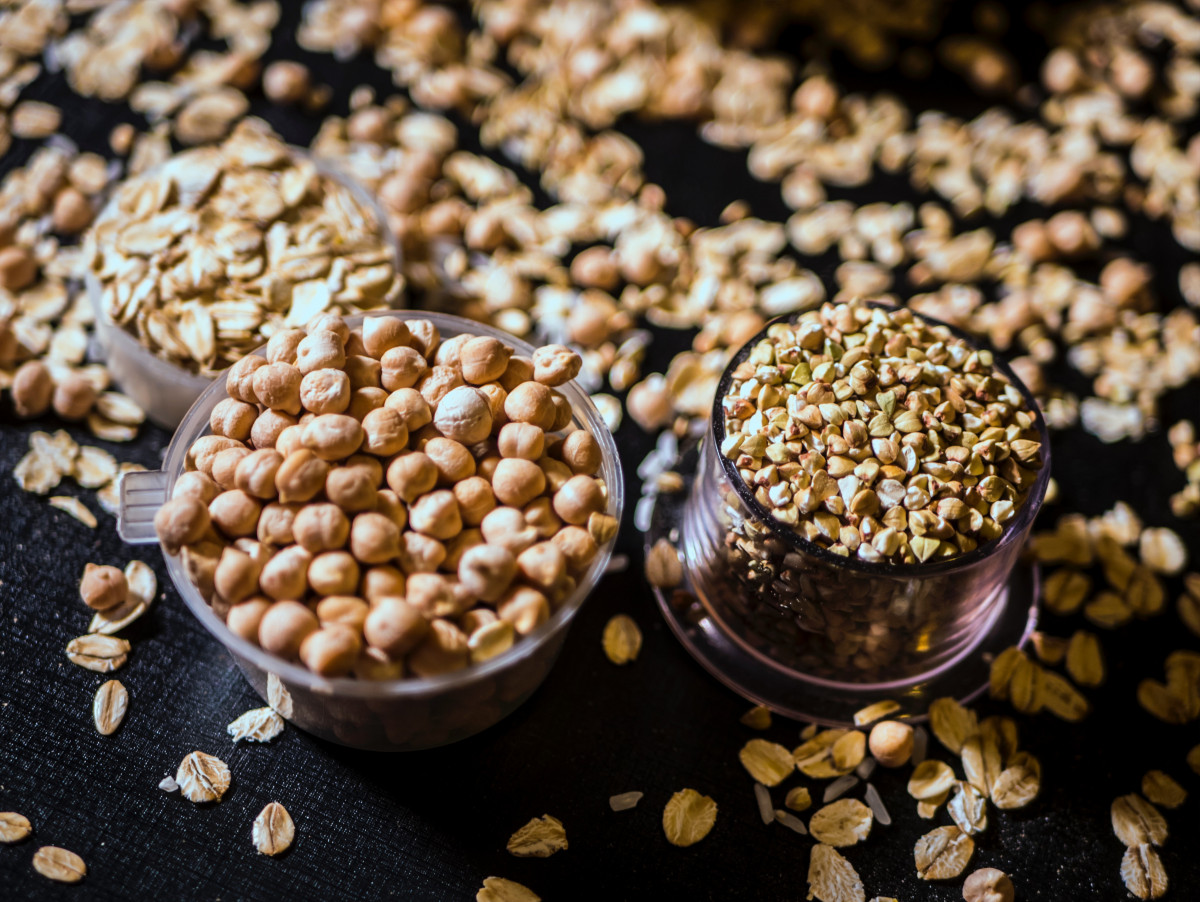
Teff may have remained hidden until now due to its superior nutritional content compared to most grains, its adaptability and ease of cultivation, its short harvest period, and its low production costs — but it is most certainly expected to become the grain of the future.
TEFF NUTRITIONAL CONTENT
Per 100 g of teff:
Energy: 367 kcal
Total Fat: 2 g
Cholesterol: 0 mg
Sodium: 12 mg
Total Carbohydrates: 73 g
Fiber: 8 g
Protein: 13 g
Calcium: 180 mg
Iron: 7.6 mg
Magnesium: 184 mg
THE BENEFITS OF TEFF ARE ENDLESS
-
Like quinoa, teff is gluten-free. For individuals with celiac disease or gluten intolerance, it is a life-simplifying alternative alongside grains such as quinoa, amaranth, and corn — and it is far richer in nutritional value. In Ethiopia in particular, the traditional injera bread is made with teff flour and is naturally gluten-free. Teff is also used in the production of gluten-free beer.
-
Among all gluten-free grains, teff is one of the most impressive in terms of nutritional value. Ranking first in calcium content, teff also stands out for its high iron and protein levels and its 8 essential amino acids. One cup of cooked teff provides 387 mg of calcium, meeting 40% of the USRDA daily recommended calcium intake.
-
Teff is a highly effective grain for regulating blood sugar. With a complex carbohydrate content of 20–40% and a low glycemic index, it is a suitable carbohydrate source for individuals with diabetes.
-
The tiny grains of teff can actually challenge many grains when it comes to fiber content. With 8 grams of fiber per 100 g, teff helps regulate bowel movements and supports a more comfortable and healthy digestive system.
-
Sodium content — the biggest concern for individuals with high blood pressure and heart disease — is nothing to worry about with teff. Unprocessed teff, with its low sodium content, is an ideal grain that people with hypertension can safely consume.
-
Vegetarians often fall short on protein intake since they do not consume meat, dairy, and similar foods. Insufficient protein intake leads to muscle loss in the short term and serious health problems in the long term. However, with 13 grams of protein per 100 g, teff is a protein-rich source not only for vegetarians but for everyone.
-
Teff is known to reduce the symptoms of PMS (premenstrual syndrome) in women and to support weight loss thanks to its low fat content.
-
While teff is generally ground into flour, it can also be softened through fermentation or leavened to make a bread called “injera.” Ethiopians also use teff to make porridge and traditional alcoholic beverages known as “tella” and “katikala.”
-
Teff needs only 36 hours to germinate. It has the shortest spreading time of all grains, and 3,000 teff seeds weigh just 1 gram.
-
Teff’s protein content of 13–14% consists largely of easily digestible albumin. This makes teff the plant-based equivalent of egg white. Note: I could not find a Turkish retailer selling teff online — only wholesale purchasing is currently available. However, for a rough price reference, I checked Bob’s Red Mill’s website: 680 g (about 1.5 lb) of teff is sold for $22.99.
How to Use
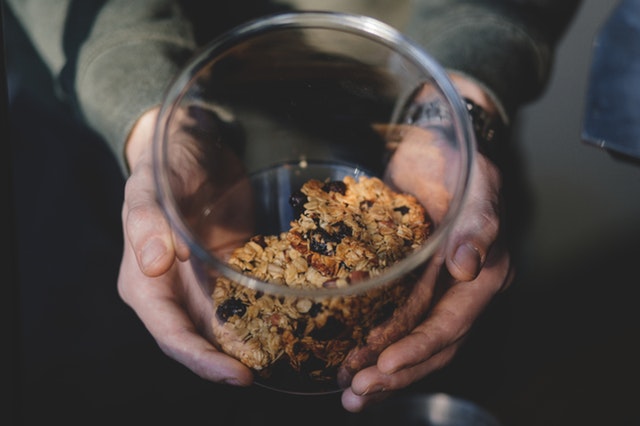
Combine half a cup of teff with 2 cups of water and a little salt, then bring to a boil with the lid on. After waiting 15–20 minutes for the water to be absorbed, turn off the heat and let it rest with the lid off for about 5 minutes. You can also use teff in breakfast cereals, cookies, muffins, and pancakes.