Which Herbal Tea Is Good for What?
How much do we really know about the benefits and side effects of herbal teas? Excessive consumption of these teas can be harmful to your health. So which herbal tea should be consumed for what purpose?
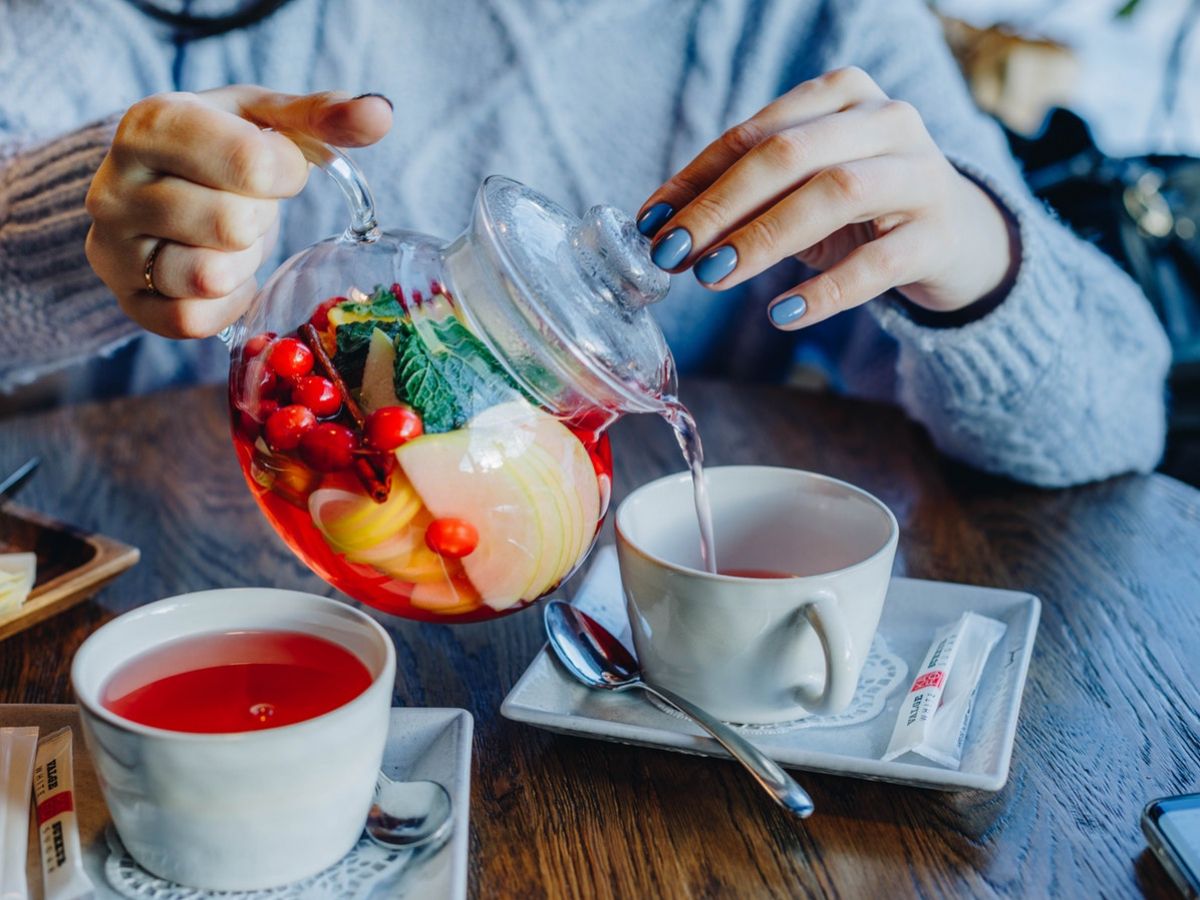

Don't get sick while seeking a cure!
Dietitian and Psychologist Meryem Berrin Ak from Nişantaşı Hospital emphasized that none of the herbal teas consumed for weight loss directly burn fat, and went on to explain which herbal tea should be consumed for which purpose...
While herbal teas have been proven to offer many benefits when consumed regularly, excessive consumption can be harmful to your health. Dyt. Psk. Meryem Berrin Ak noted that sufficient research should be done about the contents of a herbal tea before consuming it, and that special circumstances such as age group, puberty, and pregnancy should also be taken into consideration. Ak highlighted that it would be beneficial for pregnant women to consume caffeine-free teas, and for individuals in puberty to consume teas rich in vitamins and minerals.
Green Tea: A powerful antioxidant, green tea protects against cancer, supports the immune system, balances blood sugar, lowers cholesterol levels, helps eliminate excess edema, and even slows down aging. In addition to its countless benefits, it boosts metabolic rate thanks to the epigallocatechin gallate it contains. For this reason, it is frequently preferred for weight loss. To take advantage of its miraculous properties, you can add a health boost to your snacks with at least two cups of green tea per day. However, since it contains caffeine, people with hypertension should not consume more than one to two cups of green tea per day.
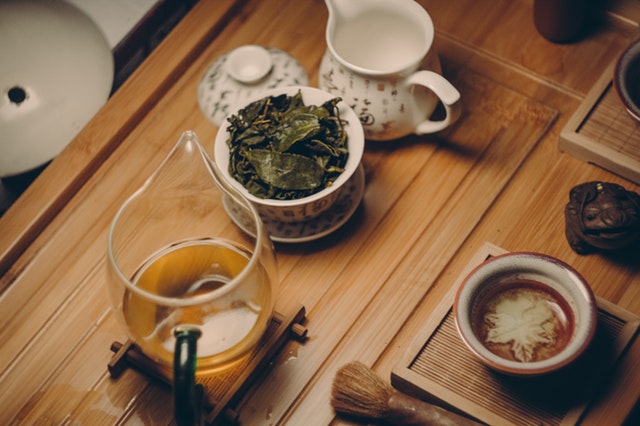
Thyme/Oregano Tea: It provides relief for many ailments such as coughs, indigestion, sore throat, colds, stress, rheumatism, and headaches. However, contrary to popular belief, thyme tea can produce negative results due to its blood-pressure-lowering effect. For this reason, people with high blood pressure who are on medication may consume this tea under expert supervision and two hours after taking their medication.
Ginger: It has positive effects on colds, stomach and intestinal disorders, as well as diabetes. However, since ginger increases bile secretion, people with gallbladder-related conditions should consume this tea under expert supervision. Ginger, which is also used to prevent nausea and vomiting during pregnancy, can cause a risk of miscarriage when taken in amounts over 1 g due to its menstruation-inducing effect. For this reason, a specialist should be consulted and ginger should be used within a safe dosage range.
Sage: Sage tea has a mild flavor and helps relieve stress and promote relaxation — it is a natural source of antioxidants. It helps flush harmful toxins from your body, cleanses the liver, and supports gallbladder function. It also soothes sore throats when used as a gargle. However, its use is not recommended for pregnant women and children. Heart patients should consume it with caution, as it has blood-pressure-raising properties. If you are not in the group that should avoid sage, you can consume two to three cups per day.
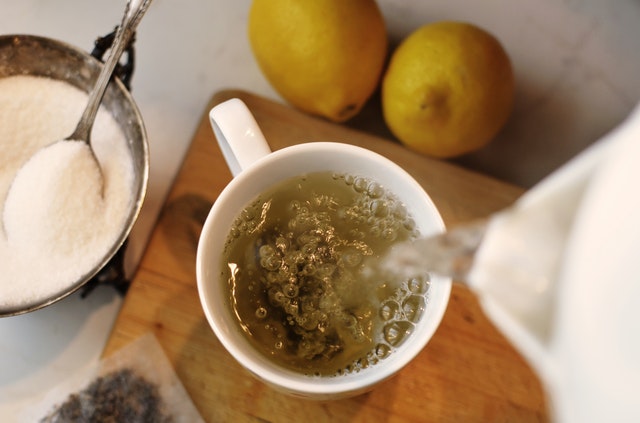
Rosehip: Thanks to its high vitamin C content, it protects and strengthens the immune system. It is extremely effective in the natural treatment of conditions such as colds, flu, and rheumatism. However, since excessive consumption can cause allergic reactions such as skin itching, as well as irritation in the mouth and digestive system, it should not be consumed more than three cups per day.
Chamomile: This is the herbal tea commonly known among people for its positive effects on relaxation and sleep problems. Chamomile tea is beneficial for menstrual cramps, stress and anxiety, rheumatic complaints, skin problems, allergic conditions, intestinal issues, and gum disorders. It also helps strengthen the immune system. However, its use is not recommended for epilepsy patients, as it has significant effects on the nervous system. Women with a history of hormonal imbalance should also consult a doctor before consuming it.
Fennel: It can be consumed to address all stomach-related problems such as indigestion and gas. It is also a metabolism supporter that can be safely used in cases of chronic constipation that negatively affects overall quality of life. However, due to its laxative effect, it should not be consumed more than two cups per day.
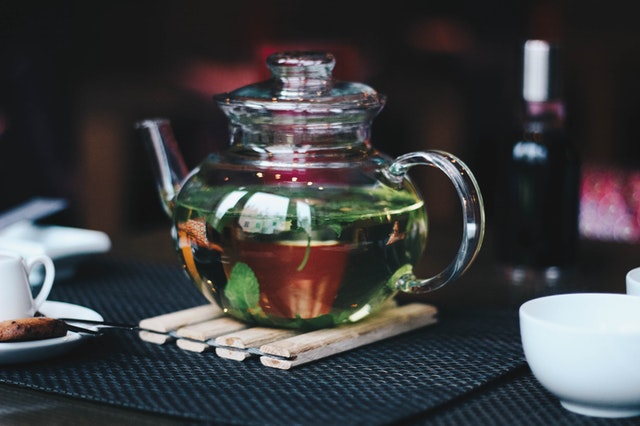
Senna: It is frequently used especially in the treatment of constipation. Senna tea, which is also preferred for weight loss, can cause chronic bowel sluggishness, permanent damage, and even tumors in the long term when consumed for more than three weeks. It should not be used by people with Crohn's disease, ulcerative colitis, appendicitis, gastritis, or hemorrhoids; people with heart disease should consume it in a controlled manner. Since senna is also a plant that can interact with medications, it should be consumed after consulting a doctor if there are any regularly used medications.
Mate (Yerba Mate): It speeds up metabolism thanks to the caffeine it contains, making it effective for weight loss. Mate tea also has a diuretic effect, helping with perspiration and reducing edema. However, it is a herbal tea that is not recommended for use in cardiovascular diseases and high blood pressure. The amount consumed should not exceed two cups per day.
White Tea: It is the least processed herbal tea and has the highest antioxidant content. White tea, which has begun to be consumed especially for weight issues in recent years, aids digestion, adds elasticity to the skin, slows down skin aging, raises good cholesterol while lowering bad cholesterol, strengthens memory, and suppresses fat storage in the body. You can reduce fat storage with two cups of white tea per day. However, white tea contains caffeine, even if in small amounts, and excessive consumption can cause side effects such as palpitations and insomnia. For this reason, people with blood pressure conditions and pregnant or breastfeeding women should avoid it.