A Diet Without Bread Is No Diet at All!
Forget everything you've heard about bread! Here are the benefits that bread — the first thing we cut when dieting — can bring you when consumed in moderation.
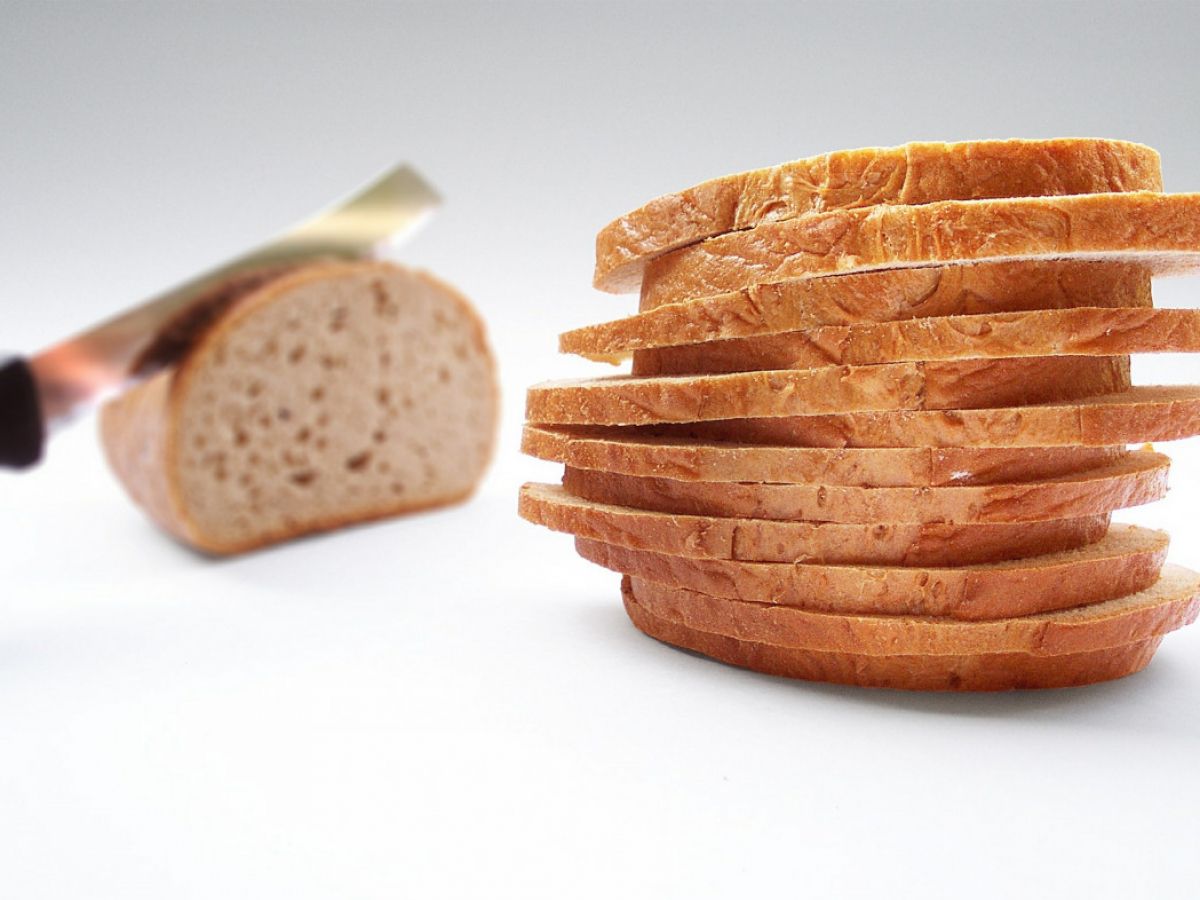

The debate around bread consumption just never seems to die down. As a professional dietitian, I both recommend that my clients consume whole grain bread and personally benefit from this wonderful food in my daily life. Especially in diets designed for weight loss, using whole grain bread is a practical and healthy alternative that nearly anyone can adopt. By incorporating whole grain bread into your diet, you can reduce your total daily calorie intake, stay fuller for longer, and benefit from far more nutrients compared to white bread made from refined flour. Of course, this delicious food does have a certain calorie value and should not be consumed without limits. Bread — which we have long blamed for extra pounds and which is the first thing we cut when "dieting" — can indeed invite weight gain when eaten beyond what our body needs. Here are the benefits bread brings you when consumed in moderation:
RICH IN FIBER
Whole grain bread contains twice the fiber of white bread made from refined flour. Naturally, this quality earns it a place among the indispensable foods in a diet. Its high fiber content not only makes it more nutritionally rich without adding extra calories, but also helps prevent blood sugar spikes and keeps you feeling fuller for much longer. The truth is, we can't really claim to be very successful when it comes to fiber consumption. While the World Health Organization recommends a daily fiber intake of 25–30 grams, daily fiber consumption in Turkey remains limited to just 15 grams.

A single slice of whole grain bread (think the size and thickness of a toast bread slice) contains 1.5 grams of fiber. Beyond the amount of bread you need to consume based on your daily calorie requirements, you can also benefit from other fiber-rich foods such as fruit, vegetables, oats, buckwheat, quinoa, whole grain pasta, and bulgur (cracked wheat).
THE ROAD TO A FLAT STOMACH RUNS THROUGH BREAD!
If you want to get rid of belly fat, you should make an effort to consume whole grain bread. According to a study published in the American Journal of Clinical Nutrition in 2008, choosing whole grain bread in your diet helps burn abdominal fat. Researchers randomly divided dieting participants into two groups: one group was asked to consistently consume whole grain sources, while the other group was asked to cut out whole grain sources entirely. Although weight loss was observed in both groups, the group that included whole grain sources in their diet recorded a significant reduction in abdominal fat.

HIGH NUTRIENT DENSITY
When you restrict calorie intake to lose weight, you also start consuming fewer vitamins and minerals that are essential for your health. That's why it becomes even more important to eat foods that are high in nutrients but low in calories — in other words, foods with high nutrient density. Whole grain bread and other high-nutrient grain sources contain far more B vitamins, vitamin E, and other nutrients compared to refined grains like white bread, making them especially valuable foods during calorie-restricted diets. For a healthy and balanced diet, make sure to consume appropriate amounts of each nutrient group in your meal plan.
WHOLE GRAIN BREAD IS NOT CALORIE-FREE!
If you told a random passerby that you've gained a lot of weight, one of the first pieces of advice they'd likely give you is "Cut out bread!" Yet the real reason to choose between whole grain bread, bran bread, or white bread is not their calorie content — it's their nutritional value. Although this is widely misunderstood, there is no significant calorie difference between whole grain bread, bran bread, and white bread. This means that just as eating too much white bread can cause weight gain, going overboard with whole grain bread can cause the same problem. With the help of a dietitian, you can calculate how much bread you should be eating based on your daily calorie needs — and free yourself from turning bread consumption into a nightmare.