I Keep Starting a Diet but Can't Stick to It — Here Are 5 Reasons Why!
If you have extra weight to lose and can't seem to stay on a diet, these 5 strategies can help you achieve lasting, sustainable weight loss.
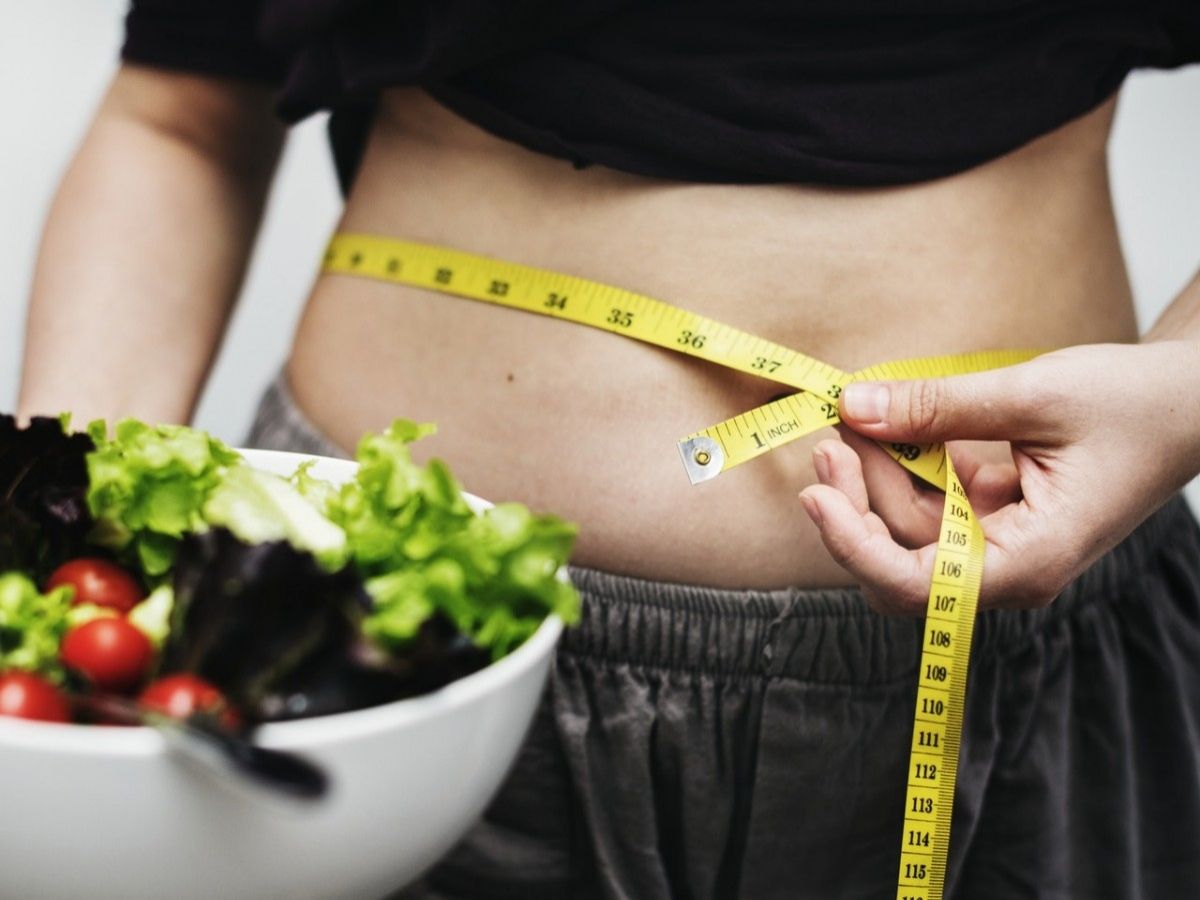

For most of us, the word "diet" conjures up the idea of staying away from foods we love, even if only for a short time. We tend to think that no matter how many foods a diet includes, there will always be forbidden ones. According to recent research, out of every 20 people who diet regularly, an average of 4 quit within the first seven days and 3 quit by the end of the first month — only 20% of dieters stick with their diet for 3 months. If you have extra weight to lose and/or struggle to maintain long-term diets, I recommend reading my solution suggestions below.
The following 5 strategies can keep you from throwing in the towel right at the start of your diet, so that you can achieve lasting weight loss with a sustainable eating plan.
1 – Your Body Is Rebelling:
Strict or difficult-to-follow diets can negatively affect your mood and trigger headaches, physical and mental fatigue, irritability, and digestive issues. Nobody wants to feel that way; if you want to feel energetic, comfortable, and happy, you need to change your diet.
What should I do? First, you should review your past and avoid repeating the same mistakes. You know your body better than anyone; you probably also know best what makes you feel worse. When I ask my clients when they feel bad, I generally get the same answers. Most say they feel unhappy when they eat too few calories or too few carbohydrates, and when I ask, "If you could go back, what would you do differently to feel more balanced?" many of them mention increasing snacks and eating larger portions. When I ask why they never did what they wanted, they say they didn't believe they could lose weight that way. Even if eating more to lose weight seems illogical to you, step away from that thinking right away and trust your body. Yes, losing weight may require cutting back on some things, but if you cut back on your basic needs, your metabolism and health can suffer, and you may receive more "that's enough!" signals from your body. To succeed, you need a smart plan — not too little, not too much; just balance.

2 – Hunger:
Feeling hungry 5 minutes after leaving the table, or an hour after eating, is not a sensation that should gradually fade. In fact, chronic hunger you feel constantly is a sign that your diet is inadequate or unbalanced, which can cause your body to conserve energy and ultimately stall your weight loss.
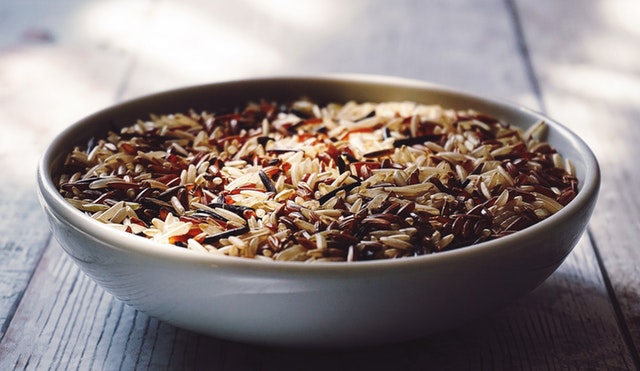
How can I fix it: To lose weight without constant hunger, you can include foods in your diet that increase satiety, so you stay full longer. For example: lean protein (organic eggs, chicken, fish, beans, and lentils), fiber (fruits, vegetables, whole grains, beans, lentils), and healthy fats (avocado, nuts and seeds, extra-virgin olive oil, and coconut oil). When we look at foods that keep you full for around 350 calories — a bowl of vegetable lentil soup, ¼ avocado, two cups of grilled asparagus, 1.5 cups of cooked quinoa — you'll feel much more satisfied than you would consuming other 350-calorie foods. Other smart choices include opting for foods that are low in calories but large in volume. These can include fresh fruits and vegetables with a high water content, organic popcorn, and boiled whole grains. Half a cup of organic corn contains about 15 g of carbohydrates, and from that same amount of kernels you can make 3 cups of organic popcorn. Half a cup of brown rice contains about 22 g of carbohydrates, and brown rice will keep you feeling about 8 times more satisfied.
3 – Cravings:
I often ask my clients who have reached their ideal weight whether they will still indulge in food going forward to stay happy, and most of them don't want to swear off indulgences forever. Yet this is a critically important question, because weight management requires lifelong motivation. If no path is found to deal with cravings, 20 kg lost comes back as 25 kg, and 30 kg comes back as 40 kg. Trying to be "perfect" a week after starting a diet leads to feeling depressed, angry, and frustrated — which in turn leads to binge eating and breaking the diet.
How can I fix it: By breaking free from the "all or nothing!" mindset. This kind of thinking, after even a small slip-up on your diet, triggers thoughts like "I've already ruined it, I can't do this, I might as well quit." If you're afraid of going overboard, small indulgences can actually be beneficial because they reduce your risk of overeating. For example, once a week you can have a slice of cake from a restaurant you love or a cookie from a bakery. And if you add weight-loss-friendly foods to those indulgences — like avocado, dark chocolate, or almond butter — the results may be even better than you expected.
Advertisement
4 – Social Pressure:
Many of my clients who have 4–5 kg (about 9–11 lbs) to lose say that when they try to lose weight through healthy eating, they encounter comments from family or friends like "you don't need to lose weight, you look perfectly fine." A recent study found that people eat larger amounts when dining with friends than when eating with a stranger; friends tend to encourage each other to eat, not to skip eating.
How can I fix it: Go out with your friends to have fun, not to eat — and take a break from the fun when it's time to eat. Keep entertainment separate from dinner and alcohol time. Instead of watching a movie (to cut down on popcorn and sugar consumption), you could go to a show or a dance event, where you can spend the whole evening simply sipping water. If this approach doesn't work either, clearly explain to your friends why your goals are important to you — for example, eating well helps me sleep better, perform better at work, and also prevents my stomach issues — and ask for their support. You may feel like you've lost your partner in crime when your friends start thinking the same way, but I'm sure they will find a middle ground to spend time with you.

5 – Emotions:
Right from birth, we are wired for eating. We use food during celebrations, in times of crisis, as an expression of love, or as a means of relaxation. This is why a bad day, a long-awaited party, or a sports match can all trigger eating. From what I've seen over more than 6–7 years with my clients, the inability to overcome emotional eating is one of the biggest obstacles to weight loss.
How can I fix it: Eating a piece of chocolate when you're sad, nervous, or anxious might make you feel better in the moment — but how will you feel the next day, or half an hour after eating it? Instead of eating impulsively the moment a craving strikes, take just 5 seconds to think and consider the consequences. I won't pretend it's easy — it won't change overnight — but you can break this pattern. Even if only 50–70% of your emotional eating disappears, this shift can have a significant impact on your weight. If the refrigerator calls to you when you're feeling down, open your computer instead and read success stories of people who reached their ideal weight, or do a little yoga. These things will help disperse the intense emotions you're feeling.
Registered Dietitian Merve Tığlı Çınar
www.mervetigli.com
nFİT Nutrition and Dietary Consultancy