Women Heroes of the Turkish War of Independence
In the week of Women's Day, let us together commemorate the heroic women who went to the front lines during the National Struggle with the determination to liberate our homeland from enemy occupation.
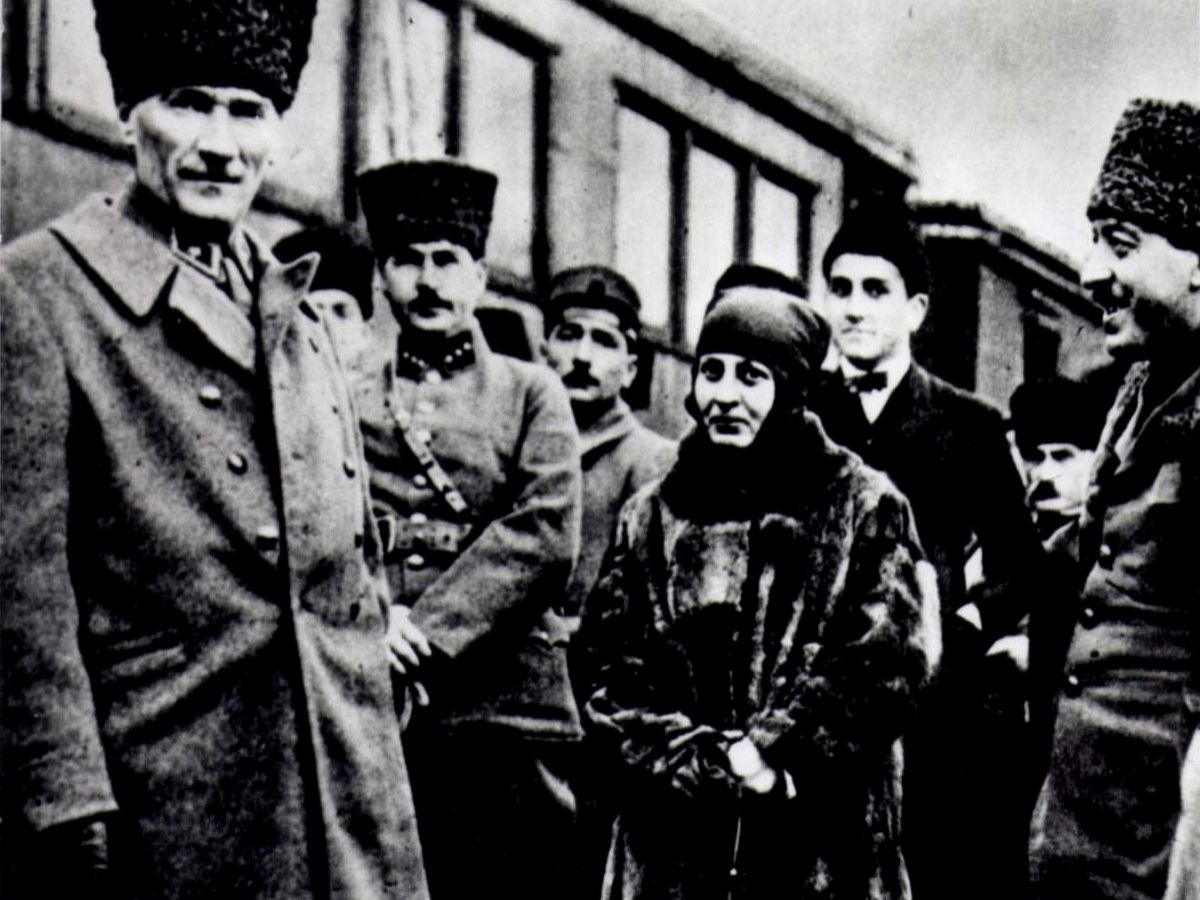
The Turkish woman's resolve to cleanse the homeland of enemies — which began with Nene Hatun, who fought the Russians during the 1877–1878 Ottoman-Russian War (known as the War of '93, named after the Rumi year 1293 in which it took place) — reached its peak during the National Struggle. Though centuries and millennia may pass, our heroic women will never be forgotten; the epic struggle of each one of them will live on in our hearts forever.
Before we get to know our heroic women, we remember with respect and love Marshal Gazi Mustafa Kemal Atatürk, the founder of our nation, along with all his comrades-in-arms, our beloved martyrs, and everyone who defended our homeland. May their souls rest in peace!
Halide Edip Adıvar, also known as Halide the Corporal (1884–1964)
A masterful orator remembered for her 1919 speeches that galvanized the people of Istanbul against the occupation of the homeland. During the War of Independence, she served at the front alongside Mustafa Kemal Atatürk and, despite being a civilian, was recognized as a war hero who earned a military rank. She also contributed to the founding of the Anatolian News Agency during that period and worked as a journalist.
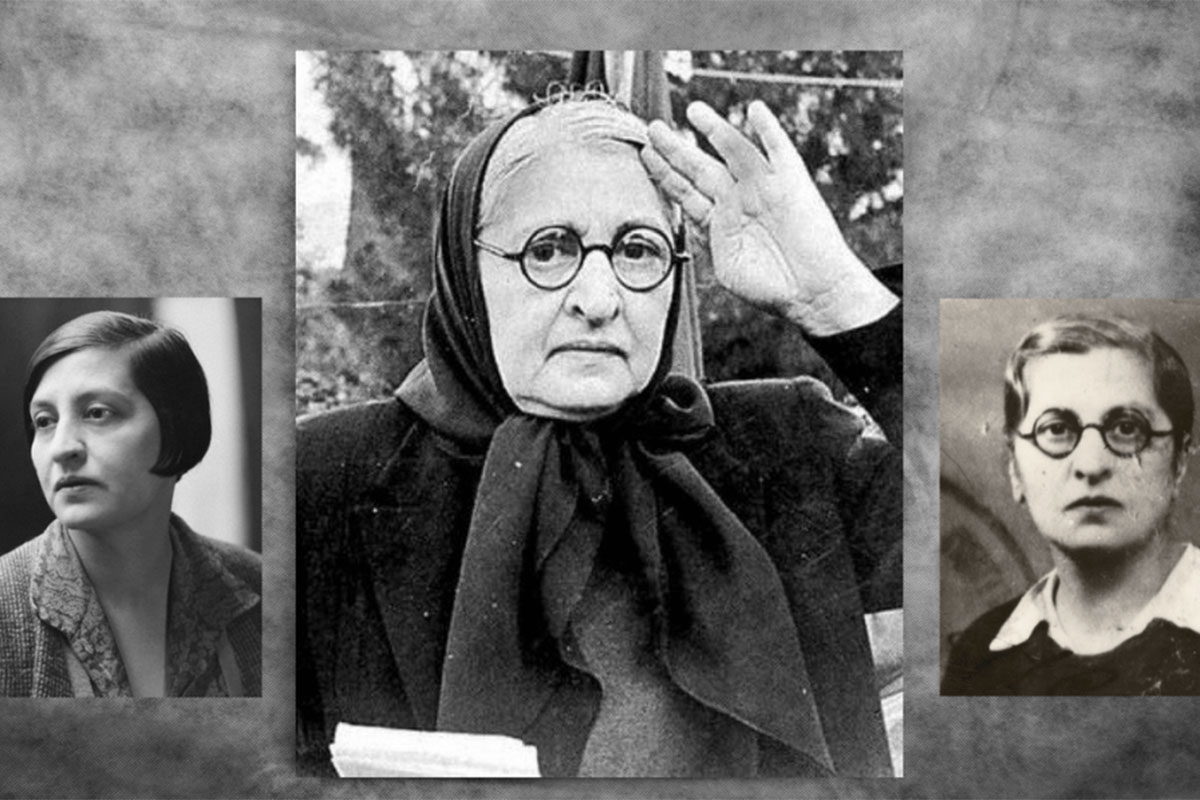
Nezahat Baysel, also known as Nezahat the Corporal (?–1994)
Colonel Hafız Halit Bey's wife, Hadiye Hanım, passed away from tuberculosis at just 24 years of age. As Istanbul was under occupation at the time, he was forced to take his young daughter Nezahat with him to the front. That year, Nezahat was only 9 years old. She fought actively at her father's side on the front lines until she was 12. Together with her father, Nezahat the Corporal distinguished herself in the Battle of Geyve, the Konya Uprising, the First and Second Battles of İnönü, and the battles of Sakarya and Gediz, becoming a symbol of the 70th regiment. The regiment came to be known as the "girls' regiment," a fact that caught the attention of both Mustafa Kemal Pasha and İsmet Pasha.
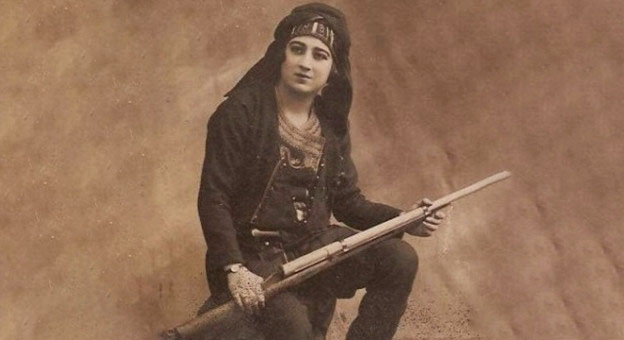
Fatma Seher Erden, also known as Kara Fatma of Erzurum (?–?)
She joined the Balkan War when she married Ahmet Bey, one of the Officer Dervishes. During World War I, she fought shoulder to shoulder on the Caucasian Front alongside 10 women from her own family. After receiving news of her husband's martyrdom, she returned to her hometown of Erzurum. In the days of the 1919 congresses, she traveled to Sivas to speak with Mustafa Kemal Pasha in person. She was assigned to the western front with the title of Militia Detachment Commander. Acting on orders from her superiors, she carried out arms and personnel smuggling operations in Istanbul. When Izmir fell under Greek occupation, she went to the front to fight for its liberation. Kara Fatma of Erzurum launched an attack on enemy lines with her unit — composed mostly of women — and returned with a total of 25 prisoner soldiers, including one Greek officer.
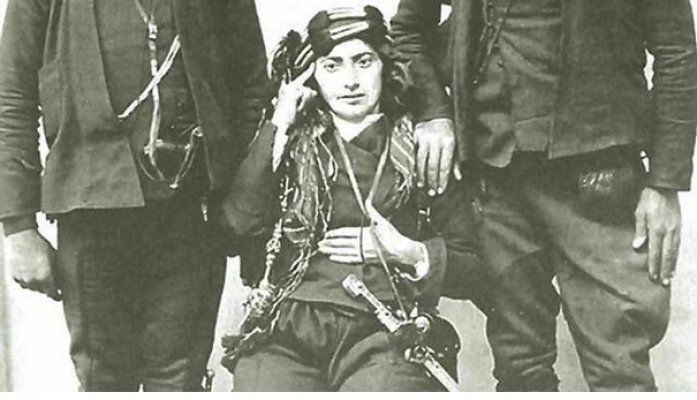
Şerife Bacı (?–1921)
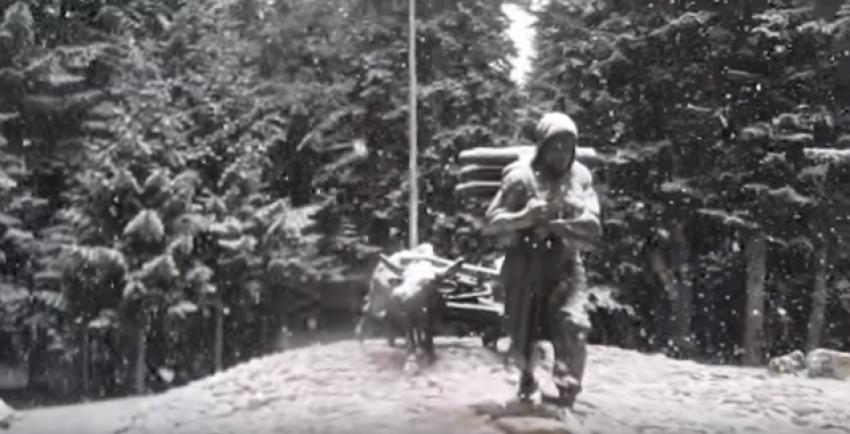
She took part in transporting ammunition stored in İnebolu to Ankara during the War of Independence, traveling with her child and ox-cart. Due to the harsh winter conditions, she froze to death in December 1921. According to accounts, she wrapped her blanket around the ammunition she was carrying so it would not get wet, and held her child close, struggling to keep him from freezing.
Çete Emir Ayşe (?–?)
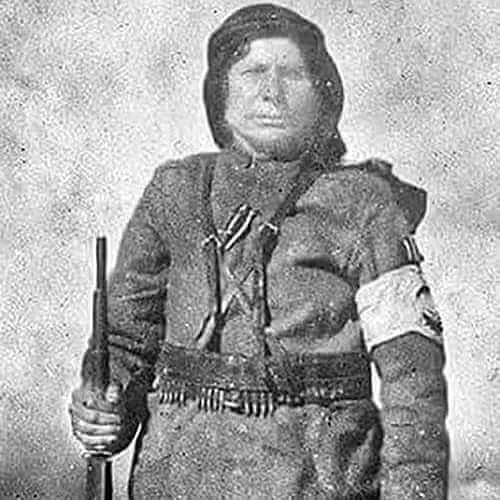
Upon hearing that Greek soldiers were advancing toward Aydın, Emir Ayşe tried to cross to the other side of the Menderes River with two companions. When her companions fell from the boat and drowned, she turned back, sold the diamond earrings — the only memento she had left from her husband who had died at Çanakkale — bought herself a rifle, took to the mountains, and joined Yörük Ali Efe's forces. She fought against the Greeks until September 7, when our city of Aydın was liberated. After the war, Atatürk pinned the Independence Medal on heroes including Çete Emir Ayşe at the Station Square. Çete Emir Ayşe said these words: "I fought against the Greeks; the most precious thing I have left is the Independence Medal that Atatürk pinned to my chest."
Halime Çavuş (?–?)
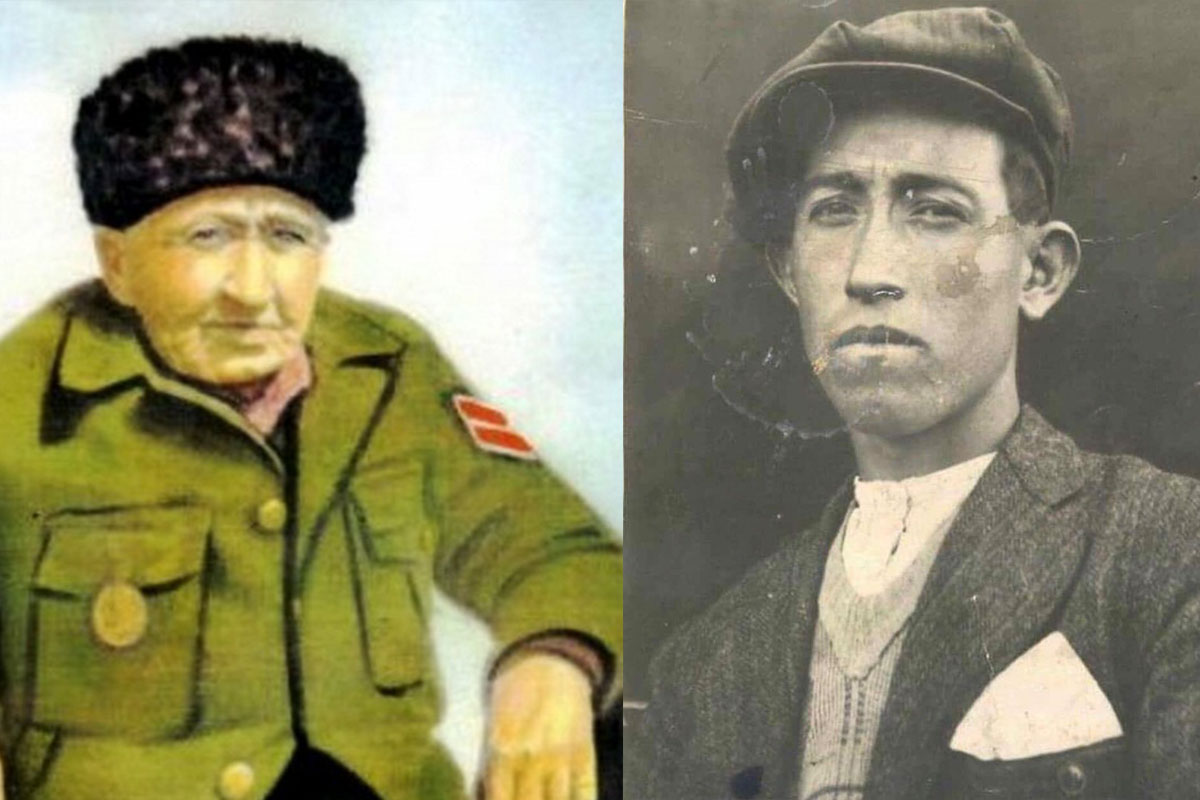
Ignoring her elderly parents' pleas of "daughter, don't go," Halime Çavuş joined the struggle and was mistaken for a man named Halim Çavuş for years. On her way to the War of Independence, she disguised herself as a man, shaved her head, and blended in among the Turkish soldiers without ever revealing to anyone that she was a woman. Her leg was left disabled as a result of enemy fire. On one occasion, while transporting ammunition from İnebolu to the front, she came across Mustafa Kemal Pasha — though she did not know who he was. The Pasha asked, "Are you cold like this?" Halime Çavuş replied, "Sir, 100,000 people will be saved. What does it matter if I die?"
Hafız Selman İzbeli (?–?)
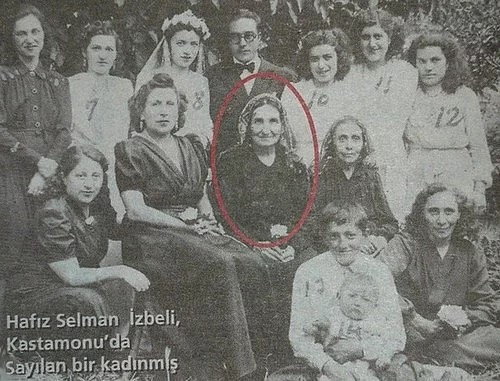
The first female member of parliament in Kastamonu and a devoted admirer of Atatürk. In her own words, she was a true "woman of the Republic." After the War of Independence, she had all the women in Kastamonu knit socks and undershirts for soldiers at the front and sent them off. She came from a wealthy family, and whenever soldiers arrived in Kastamonu, she would meet them on the road and feed them. She was also one of the founders of the women's branch of the Kastamonu Defense of Rights Society.
Tayyar Rahmiye (?–?)
She took part in the War of Independence fought between the Turks and the French in 1920. Her initial duties in the war were reconnaissance and sabotage behind enemy lines, both of which she carried out successfully. She later joined the fighting directly in combat. Seeing Turkish soldiers hesitate, she called out: "I am a woman and I am standing on my feet — are you not ashamed to crawl on the ground as men?" — and rallied the troops. She was martyred in the same battle when she rushed forward to protect two of her companions.
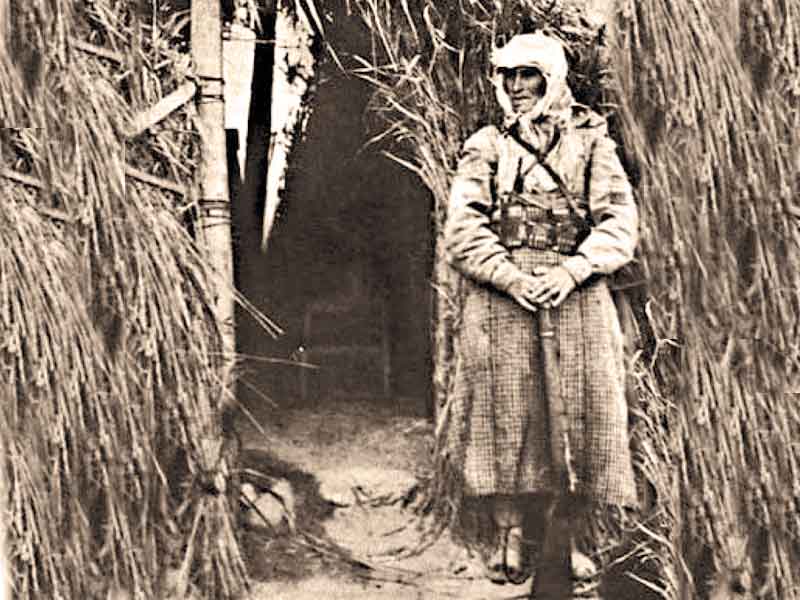
Gördesli Makbule (1902–1922)
She joined the National Struggle together with her husband when they had been married for just one year. Following the Greek occupation of Western Anatolia, she joined the Turkish irregular forces alongside her husband Halil Efe on November 7, 1921. After the Greeks lost the Battle of Sakarya and retreated to Afyon, they came under attack from the guerrilla unit led by her husband Halil Efe, which was operating in the Gördes–Sındırgı–Akhisar region. During the raid on Kocayayla, she rushed forward to encourage her retreating comrades-in-arms — but was shot in the head and martyred.
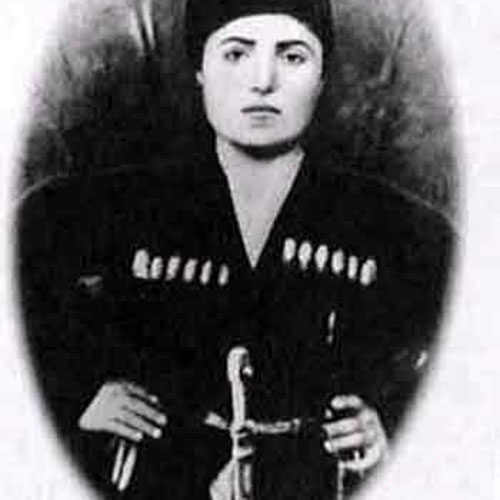
And the hundreds more whose names we do not know... May their souls rest in peace, may their graves be filled with light...