The Zinc Miracle
What are the benefits of zinc — a mineral we hear about often but need to know better — for our bodies? Why is consuming zinc-rich foods so important?


Imagine a mineral that plays an active role in the functioning of more than 300 enzymes, in protein synthesis, and in immune cell production. Yes, zinc — a name we hear often but need to get to know much more closely — takes on these and many other responsibilities in our bodies. Zinc is found particularly in white and red blood cells, the retina, skin, liver, kidneys, bones, and the pancreas. A healthy person's body contains a total of 2–3 grams of zinc. Although it is secreted by organs such as glands, the prostate, and the pancreas, it is consumed through various metabolic processes and eliminated through excretion via the urinary tract. This is why consuming zinc-rich foods or taking supplements becomes all the more important.
So what are the benefits of zinc for our bodies?
• The key to immunity
It's worth turning to zinc sources to boost your immunity! This remarkable mineral is quite effective in fighting off colds and flu infections. Research suggests that zinc influences the molecular process that causes mucus and bacteria to form in the nasal passages. Another study shows that zinc supplementation started within 24 hours of the onset of cold-related flu symptoms significantly reduces those symptoms.

• Protective against cancer
Zinc's high antioxidant capacity — which combats oxidative stress in the body — is one of your greatest allies in protecting your cell structure. In doing so, it helps prevent cancerous cell mutations and tumor growth while also supporting healthy cell division. Studies show that people with low zinc levels have higher levels of oxidative stress in the body and lower immunity.
• For hormonal balance and fertility
Zinc carries a major responsibility in DNA repair and function. It also helps increase fertility by balancing male and female hormones. In women, zinc particularly affects healthy egg development, while in men it helps prevent damage to sperm DNA, supporting quality fertilization.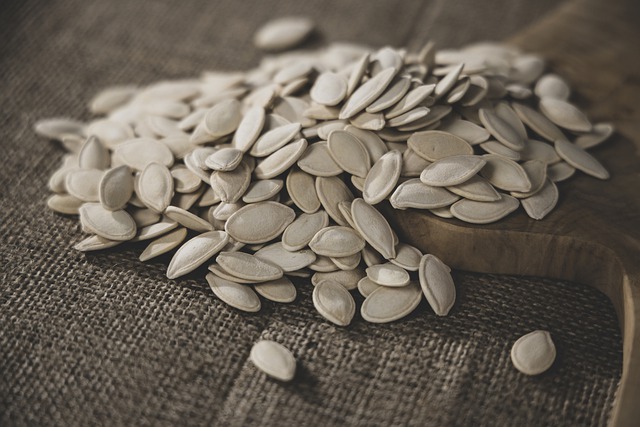
• Helps balance blood sugar
Zinc helps regulate insulin production, and through this effect it also supports the balancing of blood sugar. This special power positions it as a natural healer for diabetes. Zinc ensures that the digestive enzymes required for insulin to bind to cells are used correctly, and supports the use of glucose as fuel rather than storing it as fat. This way, weight management becomes much easier for those who get adequate zinc.
• Heart-friendly
It's a fact that zinc prevents inflammation in the body and protects cell health by reducing oxidative stress. At the same time, the health of the endothelium — the thin membrane lining blood vessels — depends on adequate zinc intake. Because zinc not only supports healthy circulation but also helps treat blocked or damaged vessels, and works to prevent conditions that harm cardiovascular health, such as high blood pressure and high cholesterol.
• Aids digestion
Zinc is of great importance for the body's ability to use amino acids from food and for protein synthesis. Since it also helps the body use carbohydrates — the body's primary energy source — zinc deficiency can lead to symptoms such as chronic fatigue and low energy.
• For liver health
Research shows that those with adequate zinc intake experience significantly less liver damage. With its high antioxidant content, zinc does its best to clear inflammation in the liver and prevent damage caused by oxidative stress.
• Supports muscle growth and repair
We know that zinc is vitally important for cell division and growth. Thanks to this property, it also contributes to strengthening the muscular and skeletal systems and to the body's self-healing. Especially in people who exercise, it supports muscle building by increasing testosterone release after workouts.
• For healthy skin
Zinc, which helps balance hormones, is also a natural remedy for skin problems caused by hormonal imbalances. Since it also plays a role in collagen production — which provides skin elasticity — it supports improved skin quality and health.
Zinc, which has a great many benefits for our health, can be obtained from sources such as red meat, turkey, lamb, pumpkin seeds, garlic, peanuts, liver, mushrooms, egg yolks, sesame, borlotti beans, and white beans. However, people who regularly consume alcohol, vegetarians, pregnant and breastfeeding women, and those with digestive disorders may be at risk for zinc deficiency. For this reason, you should consult your doctor to have the necessary blood tests done, and if a deficiency is found, speak with your dietitian to adjust your nutritional program according to your needs and consider the use of supplements.