Everything About Sage
Where does sage come from — used as an elixir of immortality on the Arab Peninsula in the 14th century? How does it heal, and what are its side effects? Find out everything in our article.

Derived from the Latin words “salus,” meaning health and well-being, and “salvare,” meaning to feel well, to be healthy, and to heal, Salvia has made its way into both English and Latin under this name.
In ancient Egypt, sage was a symbol of fertility and abundance. In 1300s Europe, it was used for protection against evil spells, while on the Arab Peninsula it was cherished as a healing elixir believed to grant immortality.
What Is Sage?
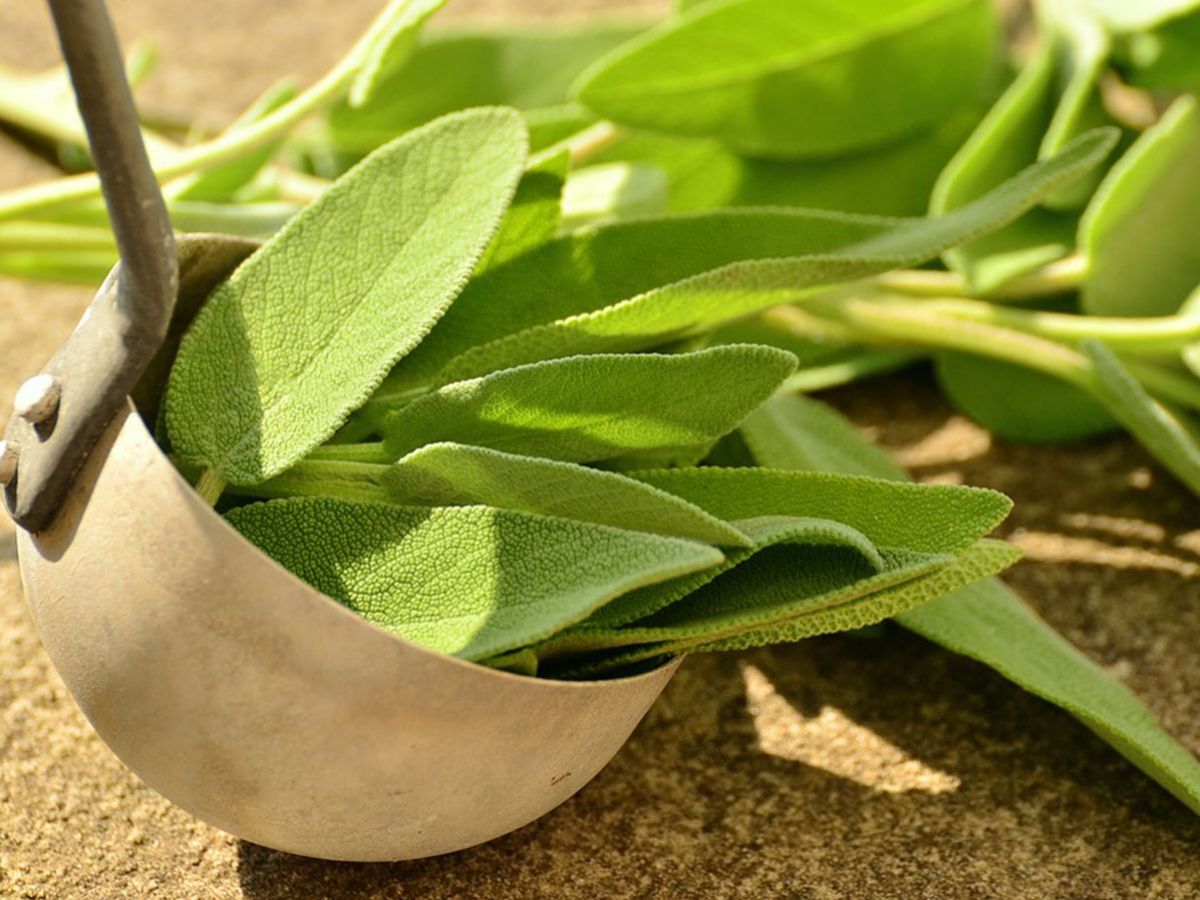
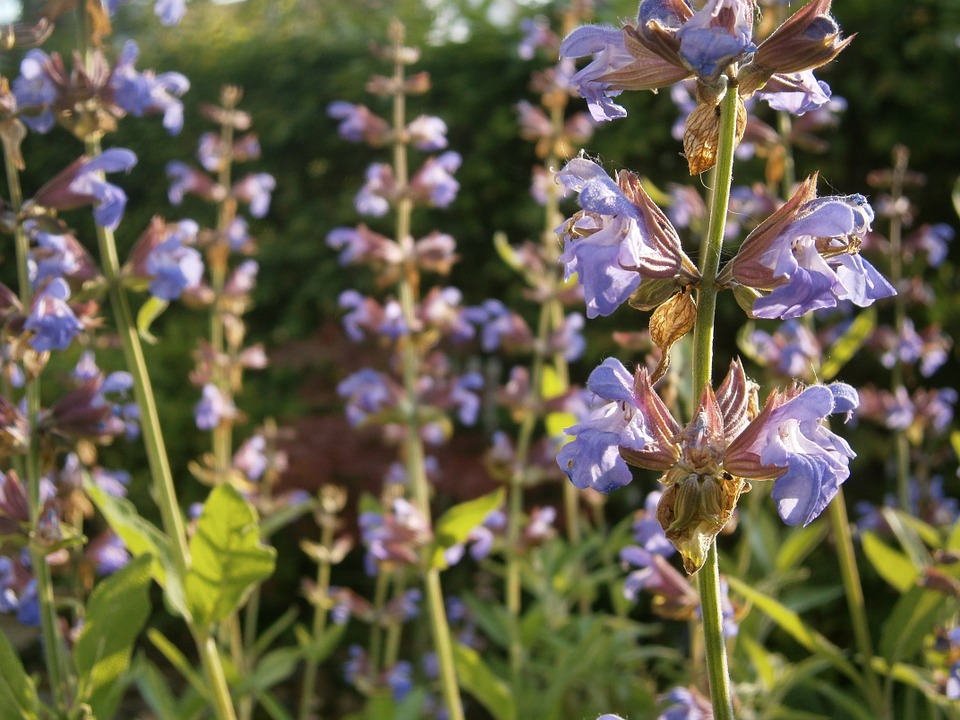
Sage is a fragrant and medicinal herb belonging to the Lamiaceae (mint) family. In Turkey, it is grown primarily in the Mediterranean region. Its leaves are pointed and gray-green in color. They emit a aromatic and slightly bitter scent, and the plants range from 30 to 70 cm in height.
Sage produces dark brown, egg-shaped seeds and propagates on its own through these seeds. It contains essential oils (borneol, pinene, cineole), tannins, glycosides, resin, ursolic acid, fumaric acid, flavonoids, asparagine, and oleanolic acid.
How Should It Be Used?
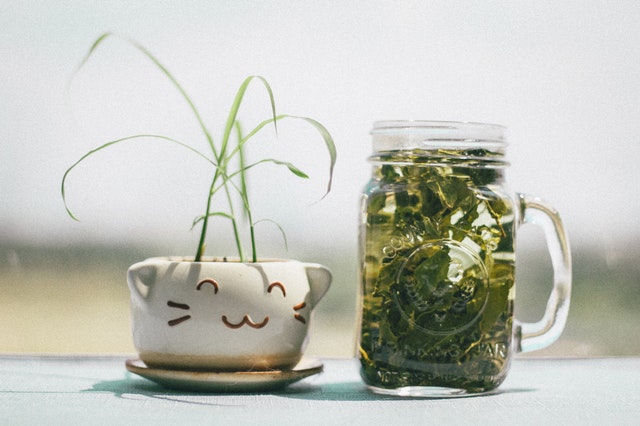
Sage is generally consumed dried, though fresh sage is also used in some cases. When preparing sage tea in particular, the key point to note is that the herb should not be boiled together with the water.
To prepare a cup of sage tea, pour boiling water over 2–3 sage leaves, steep for a maximum of 10 minutes, then strain and drink. It is recommended to add honey and lemon instead of sugar.
Since sage also adds flavor and aroma to dishes, it is especially preferred when cooking poultry. Just as in our Turkey recipe... You can also use sage while letting meats rest, or in french fries or brines, to take advantage of its healing properties and aroma.
Sage and Its Benefits
*Aids digestion and relieves indigestion.
*Reduces stress and has a calming effect.
*Helps flush harmful toxins from the body.
*Relieves menstrual irregularities and cramps.
*Soothes sore throats.
*Suppresses coughs and helps clear phlegm.
*Supports liver health.
*Eases tension headaches.
*Has antifungal properties, making it effective against skin fungal infections.
*Helps in the treatment of urinary tract infections.
*Supports brain function.
*Promotes healthy gallbladder activity.
*Soothes mouth sores.
*Strengthens memory.
*Alleviates pain associated with menopause.
*Helps prevent excessive sweating.
*Suitable for use in hair care — may delay graying.
*May act as a preventive factor against Alzheimer's disease.
*Beneficial for inflammatory conditions such as rheumatoid arthritis.
*Strengthens the immune system.
*Supports bone health.
*Reduces the risk of heart attack.
*For migraines and headaches, a cloth soaked in warm sage tea and placed on the forehead can help relieve pain.

What Are the Side Effects?
Healthy individuals with no diagnosed medical conditions should not consume more than 1–2 cups per day. It is not recommended for people with hypertension, epilepsy, or for pregnant and breastfeeding women.
When consumed in excess, the thujone and camphor compounds it contains may have toxic effects. It should not be used daily on a continuous basis, or if used daily by healthy individuals, the duration should not exceed 2 weeks. After 2 weeks of regular use, a break of 10–15 days is essential. Although science has yet to reach a definitive conclusion, it is said to decrease sexual drive in men while increasing it in women.
We wanted to close our article with a verse written for this ancient healing herb:
If you have planted sage in your garden, why would you ever need to die...
Wishing you days of good health...