The Paleo Diet (Stone Age Diet)
The Paleo Diet (Stone Age Diet) is a nutrition program based on the foods consumed by early humans. Meat products, vegetables, and fruits are all freely allowed on the Paleo diet!
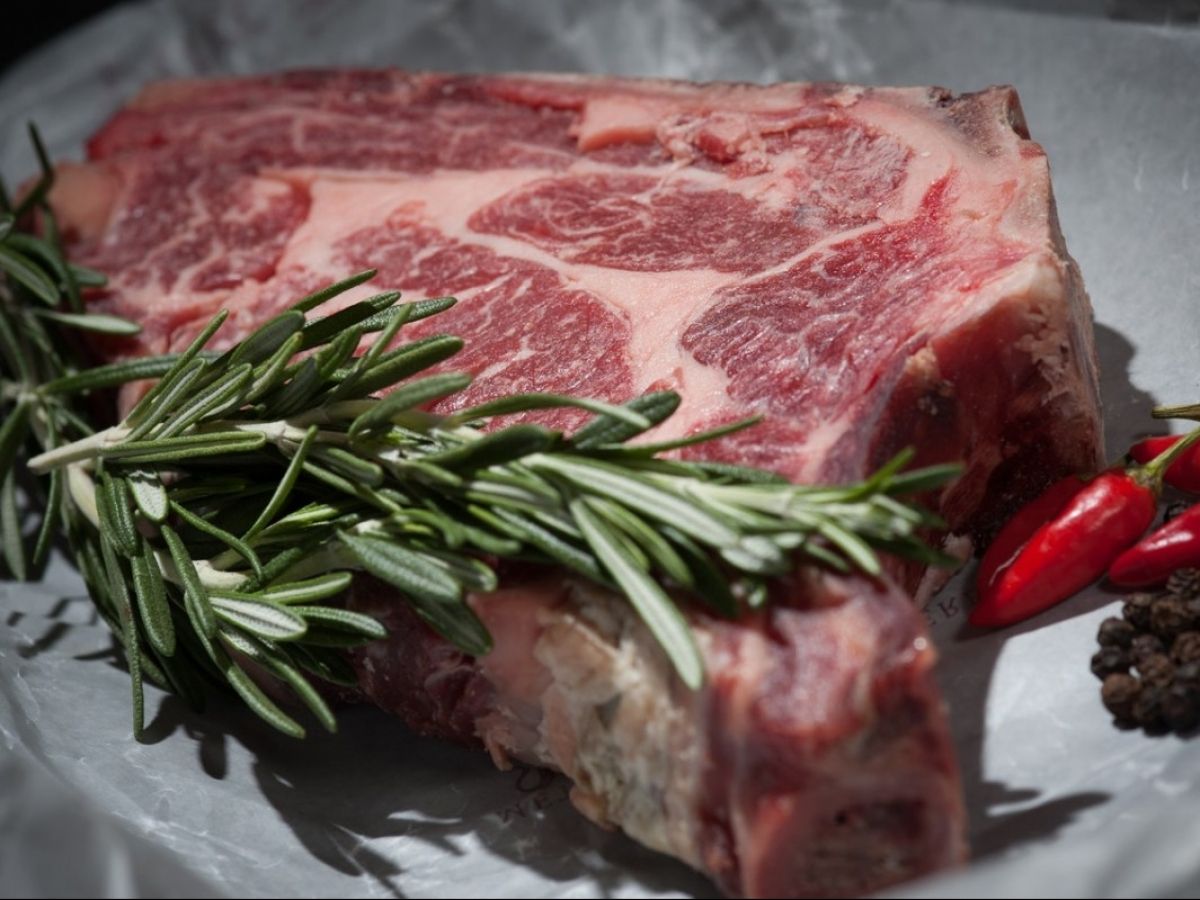

The Paleo Diet (Stone Age Diet) does not permit the consumption of refined foods such as white flour, sugar, and salt, nor processed grocery store foods containing additives. Beyond these, since the diet places as much emphasis as possible on natural eating, it also advises avoiding pasteurized milk and dairy products, canned or frozen vegetables, and processed vegetable oils as much as possible.
On the other hand, foods particularly encouraged in the diet include meat products obtained from animals raised in their natural environment, fruits and vegetables not grown in greenhouses, and dairy milk from small farms. The diet emphasizes avoiding vegetables such as potatoes, carrots, and radishes, as they have high glycemic index values (meaning they rapidly raise blood sugar).
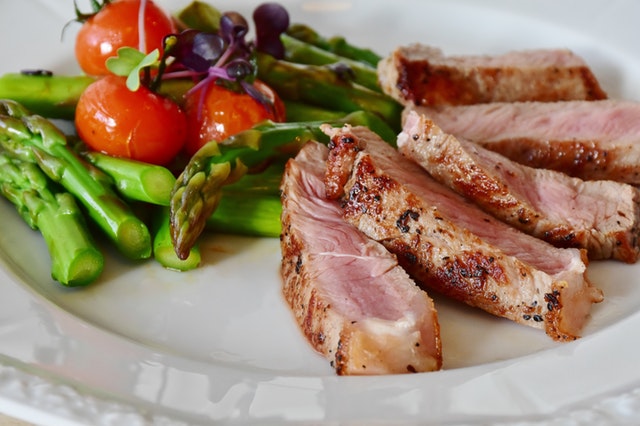
When the diet is examined in a general sense, it concludes that the foods we consume today are not compatible with the genetic heritage we have inherited from our ancestors, and that as a result, the prevalence of obesity and other diseases has been rising. For this reason, the diet program has been designed based on the hunter-gatherer eating patterns of early humans. When the nutritional content of the diet is analyzed, it is seen to be low in carbohydrates, high in protein, and high in fat.
The Paleo Diet (Stone Age Diet) may appear to be an easy-to-follow diet in that it places no restrictions on food quantities, but it is actually quite difficult for people living urban lifestyles to implement. The requirement to consume only completely natural foods, as specified in the diet, is an extremely challenging condition for those of us accustomed to city life who need practical alternatives. After all, canned foods and packaged products from trusted brands are an invaluable convenience for those of us trying to keep up with the demands of work, home, and social life. The complete absence of bread and grain-based foods in the diet, and the high proportion of protein-rich foods, is another point where people wishing to follow this diet may struggle to maintain it over time. While I do believe that foods containing high amounts of additives and processing should be consumed as little as possible, I also believe that carbohydrates must have a place in any diet in order to lose weight in a healthy way and maintain that weight for life.
Don't know the calorie counts of foods? Then Click here for the Calorie Chart!
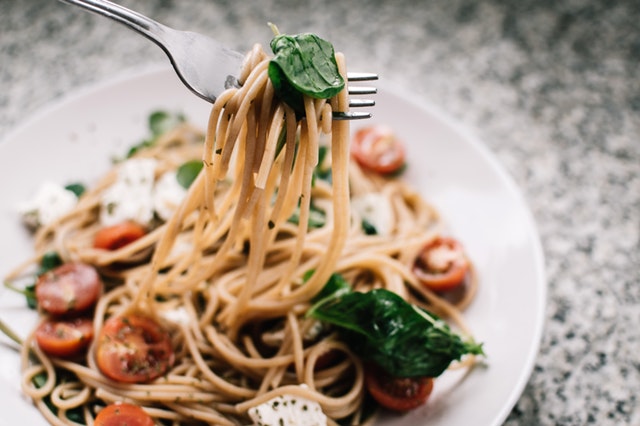
Brown rice, whole wheat pasta, quinoa, buckwheat, and whole grain breads — all excellent sources of B vitamins that are particularly beneficial for the nervous system — must absolutely have a place in your diet for the sake of your health.
The absence of any restriction on meat and meat product consumption, and the diet's extremely high protein content, may lead to kidney disease, diabetes, nervous system disorders, and cardiovascular disease due to high-fat intake from animal sources when followed over a long period of time. For this reason, adequate and appropriate amounts of every nutrient must always be consumed as part of any diet.
In summary, the Paleo Diet (Stone Age Diet), when examined broadly, is not a diet program that people living in urban environments can easily follow. The diet's emphasis on consuming natural products and restricting refined foods is a very important feature that has a positive impact on overall health. However, the unbalanced distribution of nutrients in the diet is a disadvantage that makes it difficult to follow long-term and may lead to various health problems down the road.
For this reason, I strongly believe that this diet should absolutely not be followed by those with any metabolic condition (diabetes, kidney disease, cardiovascular disease, etc.), pregnant or breastfeeding women, adolescents, or children. If you want to lose weight in a healthy way and maintain that weight throughout your life, I recommend consulting a dietitian and following a balanced nutrition program with a well-distributed nutrient profile that suits your own lifestyle.
Registered Dietitian Merve TIĞLI ÇINAR