Lose Weight by Eating as Much as You Want with the Volumetric Diet!
The era of calorie counting is long over. If you want to lose weight while feeling full and eat as much as you like, the Volumetric Diet is perfect for you!
With the Volumetric Diet, we focus on the volume of foods rather than their calories — we love foods that are large in volume, visually satisfying, and low in energy. We strongly recommend the Volumetric Diet to anyone who says "my stomach is full but my eyes aren't." According to numerous studies, people want to eat until they feel "full." In this case, most people are not concerned with "what" they eat, but with how much they eat. One of the main goals of volumetric eating is to reach satiety by eating as much as you want without counting calories. Most people on classic diets, consuming limited amounts of food, struggle to turn their restrictive eating programs into habits — and as soon as they reach their ideal weight, they start overeating again and regain most of the weight they lost. However, people who know which foods they can eat as much as they want and who learn the tricks of the Volumetric Diet can make it a part of their lives even after the diet ends, since they never have to deal with hunger — and stay healthy and fit for life.
The keyword in the Volumetric Diet: Fullness. The leading players in this diet plan include water- and fiber-rich vegetable soups, fruit, vegetables, whole grains, low-fat dairy products, lean meat, and fish. The greatest common feature of these foods is that they contain fewer calories than their alternatives, and the nutrients they contain boost your metabolism — even when you eat the same portion size. For example, you can enjoy a large plate with 200 g (about 7 oz) of turkey or fish alongside as many boiled vegetables and mashed vegetables as you like, plus a bowl of non-fat yogurt — while your friend next to you chooses 100 g of kebab that doesn't even fill a plate, yet takes in more calories and fat than you. Worse, because that small amount doesn't satisfy the eyes in the first place, they want to eat more — and the extra pounds follow.
Side dishes eaten alongside main courses are also one of the main reasons for unintentional weight gain — and the Volumetric Diet comes to your rescue here too. Instead of the mashed potatoes with full-fat cheese you'd normally have alongside your meat, you can blend zucchini and cauliflower into a vegetable mash, eat it without limits, and save yourself 360 extra calories. This way, you both increase your vegetable intake to strengthen your immune system and freely lose weight by eating as much as you want.
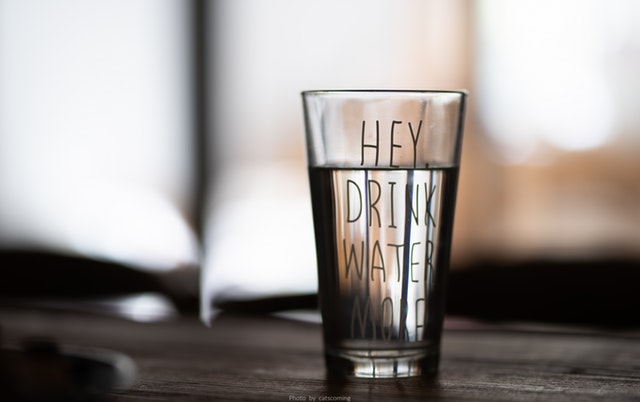
Water intake is one of the top tricks of the Volumetric Diet, which helps you eat more while taking in fewer calories and lose weight while feeling full. As hundreds of studies have proven in recent years that humans cannot distinguish between thirst and hunger, this diet plan requires you to drink water the moment food comes to mind and determine whether you are truly hungry — so that you correctly identify when you're thirsty and avoid filling your stomach with high-calorie snacks when you're not actually hungry, only to feel regret afterward.
How is the Volumetric Diet applied?
In the Volumetric Diet, which is quite easy to follow, we evaluate foods in 4 groups based on their energy density.
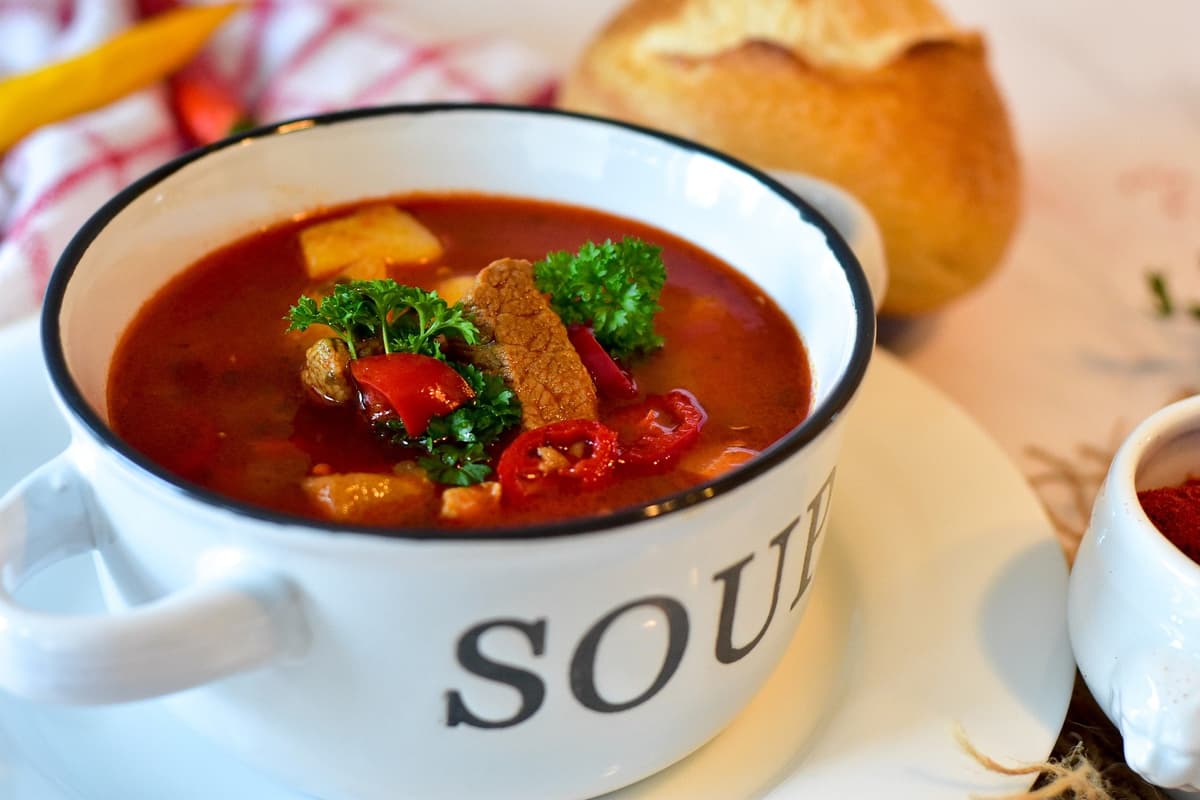
Group 1 (very low density) — high-water-content fruits and low-starch vegetables (such as broccoli, tomatoes, and mushrooms), and soups made with meat or chicken broth.
Group 2 (low density) — whole grains such as brown rice and whole wheat pasta, lean proteins, legumes, and low-fat dairy products.
Group 3 (medium density) — foods such as breads, sweets, low-fat cooked snacks, cheese, and high-fat meats — in small amounts.
Group 4 (high density) — includes crackers, chips, chocolate, candy, cookies, nuts, and oils.
For those who want to lose weight healthily and while feeling full, the approach is quite simple: focus on Groups 1 and 2 in your daily food intake, choose Group 3 foods for one meal per day, and eat from Group 4 two to three times a week. As with all healthy eating programs, one of the most important factors in this program is not to rush. Our goal is healthy and LASTING weight loss — remember, trying to shed the weight that has clung to you for 20 years in 20 days would be a great injustice to your body.
Don't know the calorie counts of foods? Then Click for the Calorie Chart!
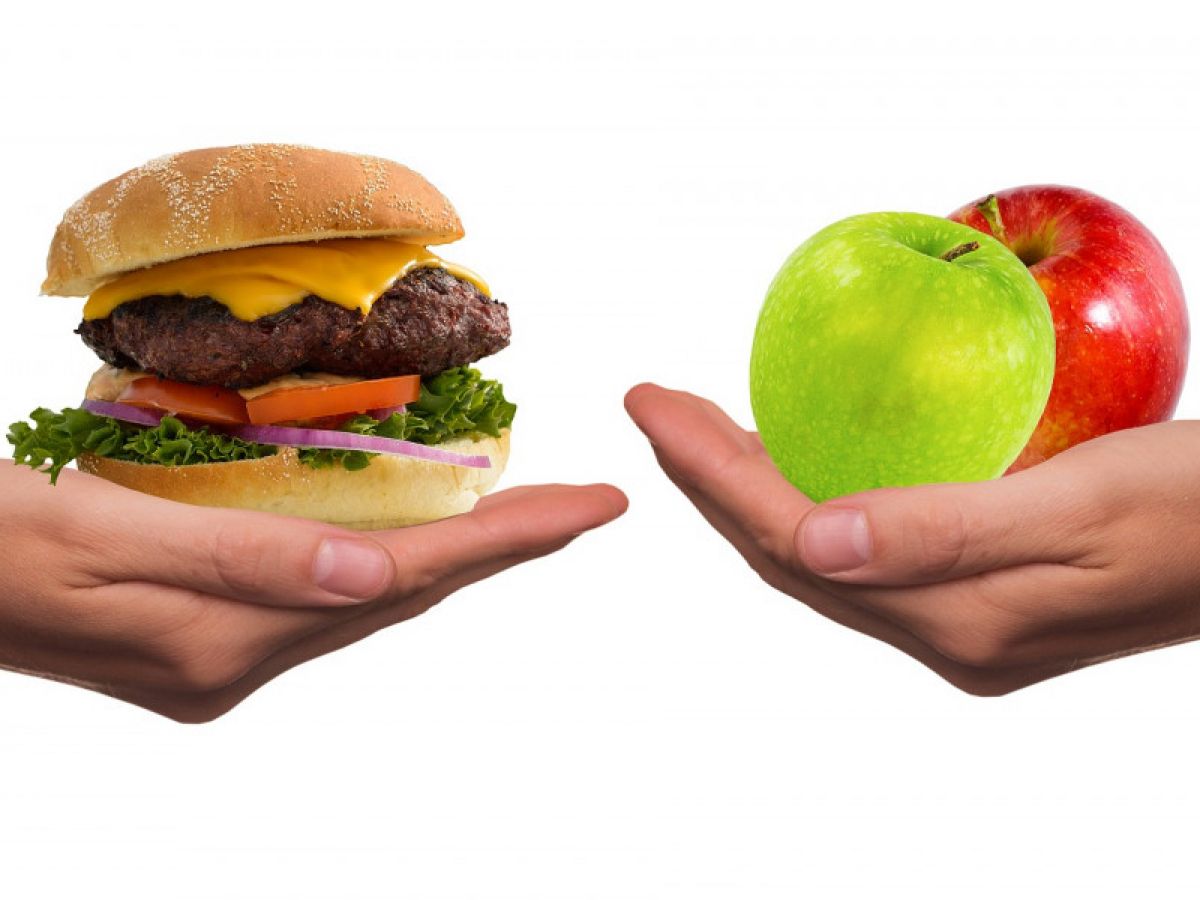
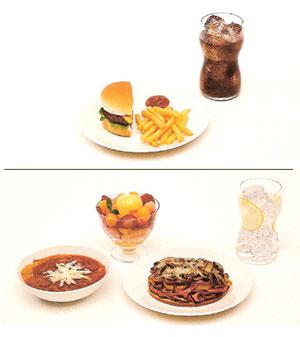
Look carefully at the foods in both images below — yes, it's hard to believe, but both images contain the same number of calories. The choice is yours: either get used to living with the extra weight, or discover the pleasure of losing weight while feeling full.
What are the health benefits of the Volumetric Diet?
With the Volumetric Diet, you don't just feel full — you also protect your health. Rich in fruits, vegetables, and whole grains, and low in saturated fat, following this diet is also the best way to lower your cholesterol, keep your blood pressure balanced, and protect your heart health. Being overweight is a leading risk factor for type 2 diabetes. While the Volumetric Diet helps you lose weight in a healthy way, it also promotes high-fiber eating, which helps regulate your blood sugar — making it your strongest weapon against diabetes.
Registered Dietitian Merve Tığlı Çınar
www.mervetigli.com
instagram: dytmervetigli