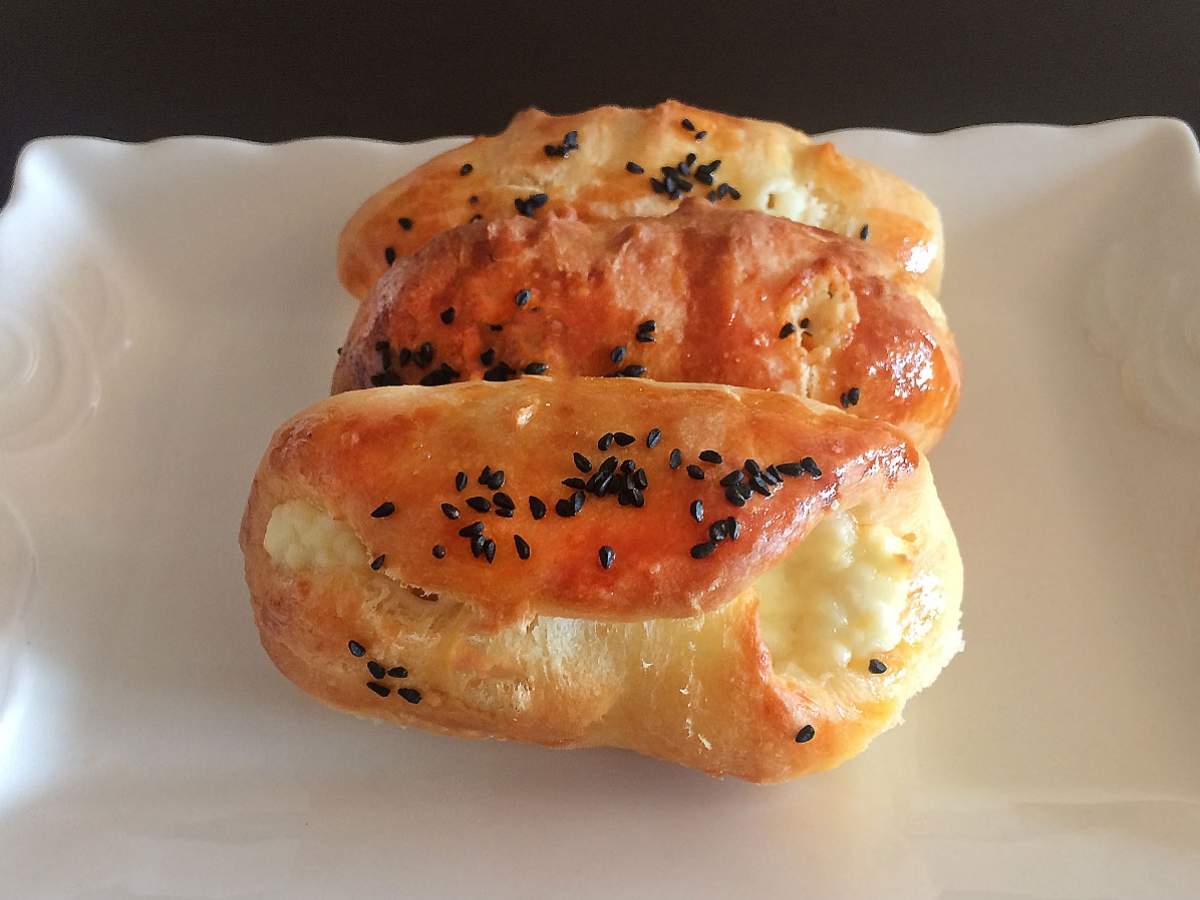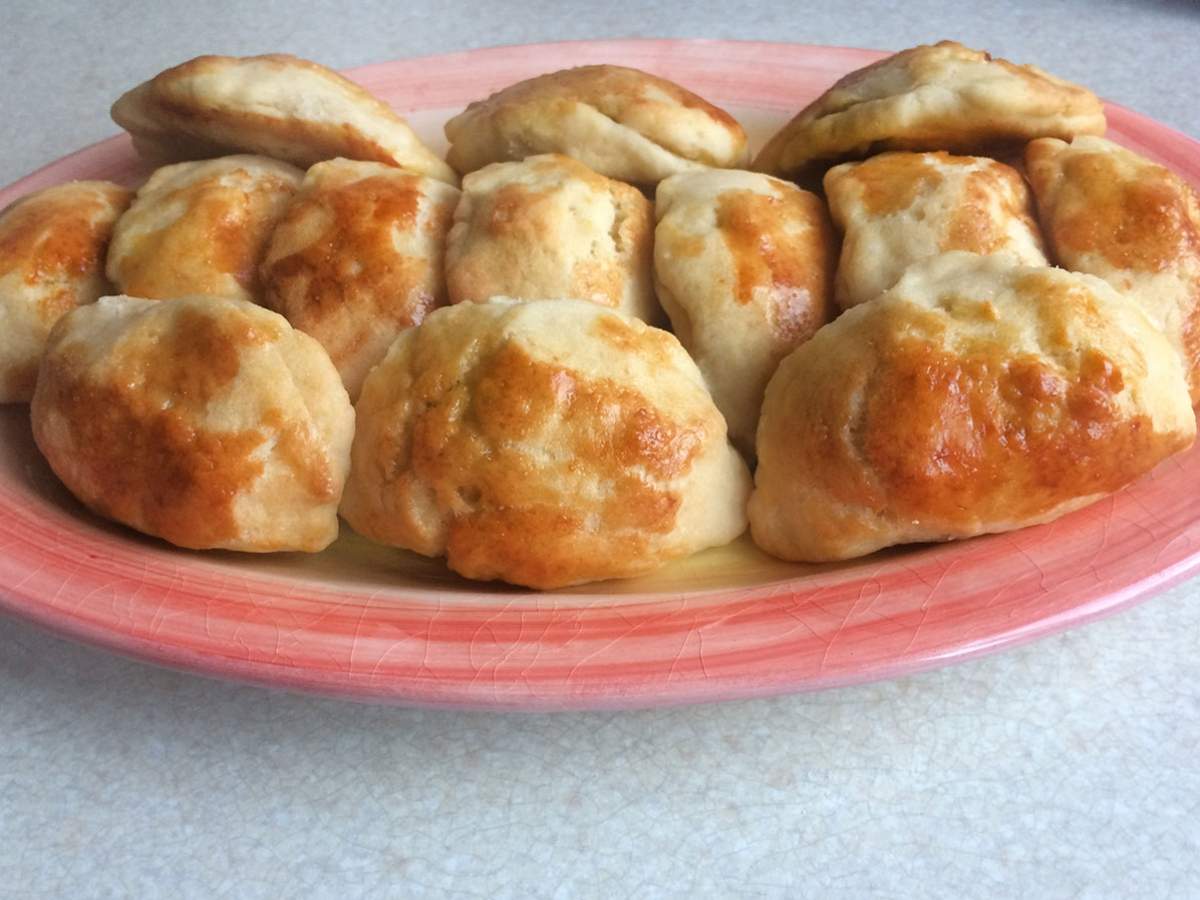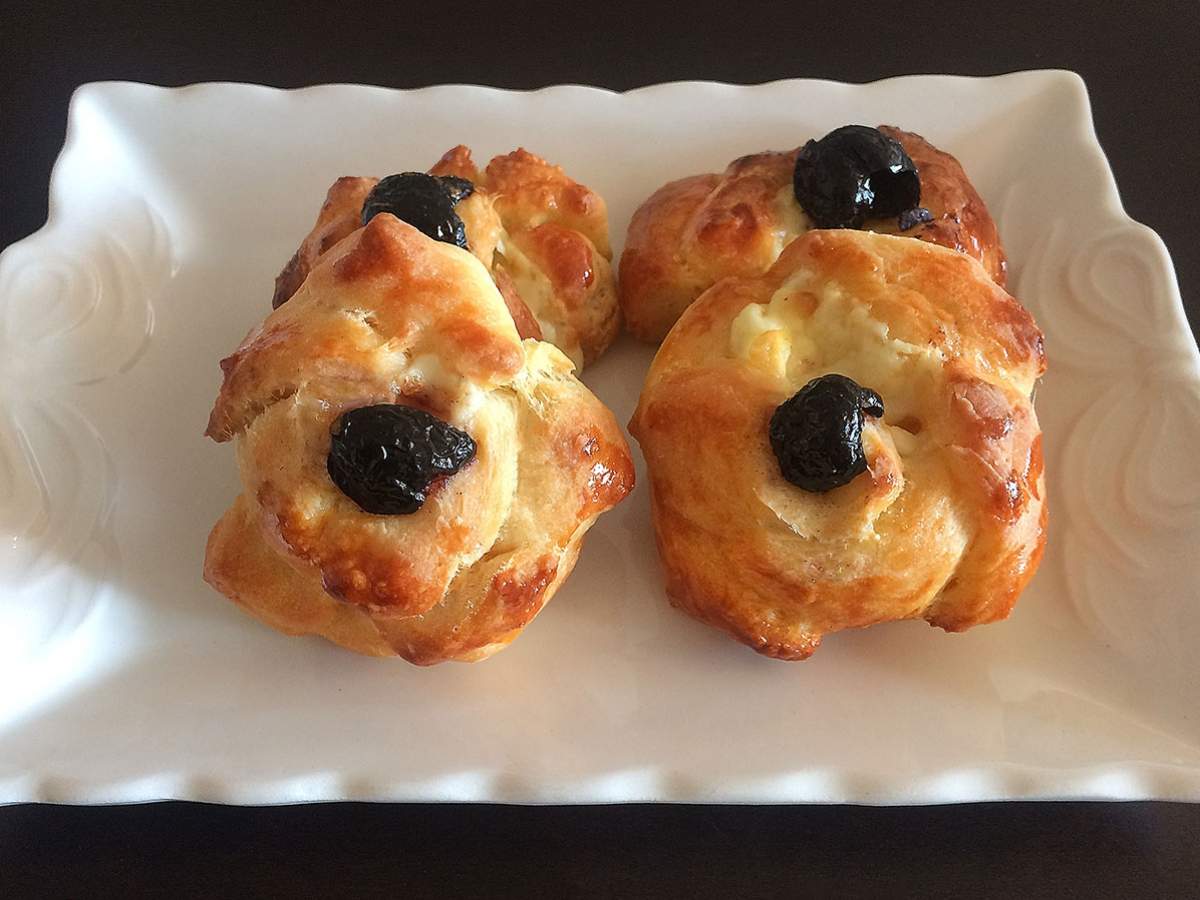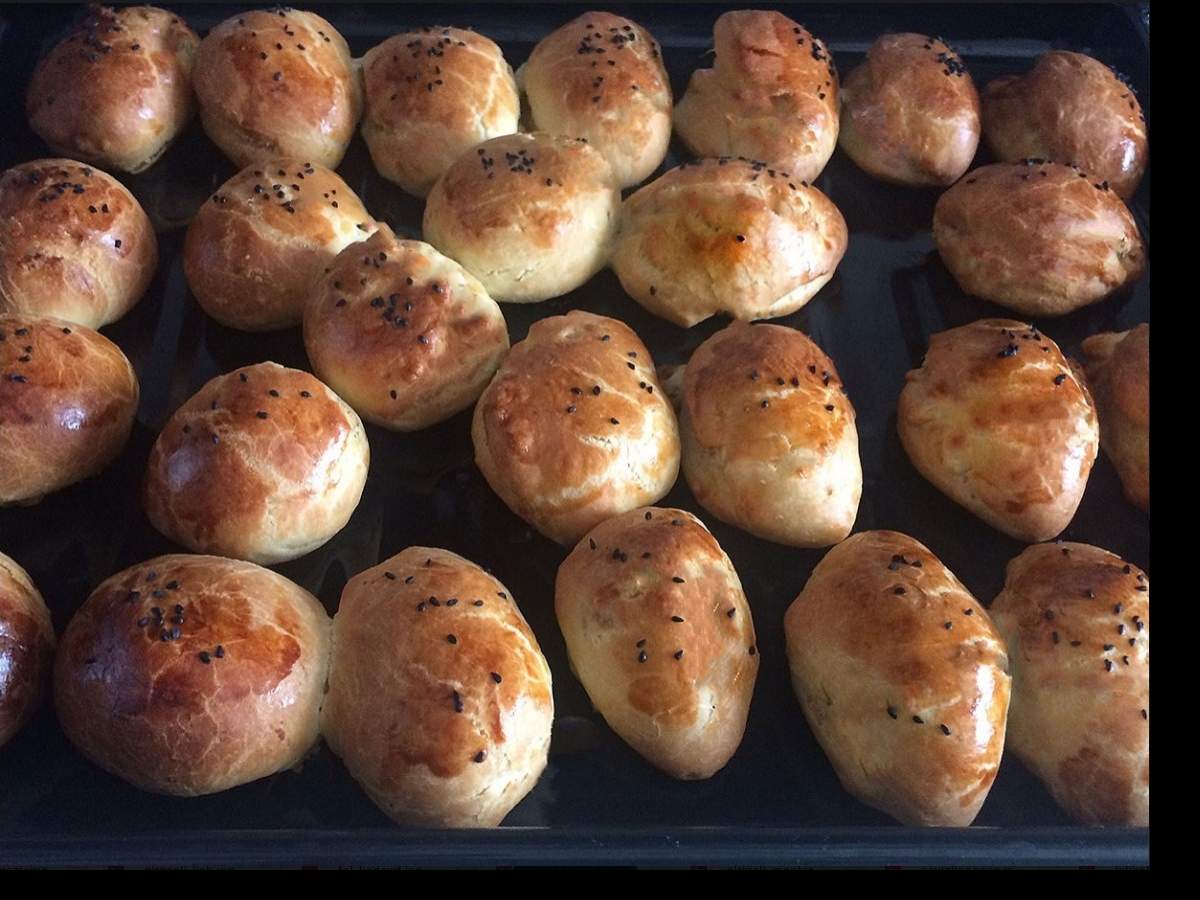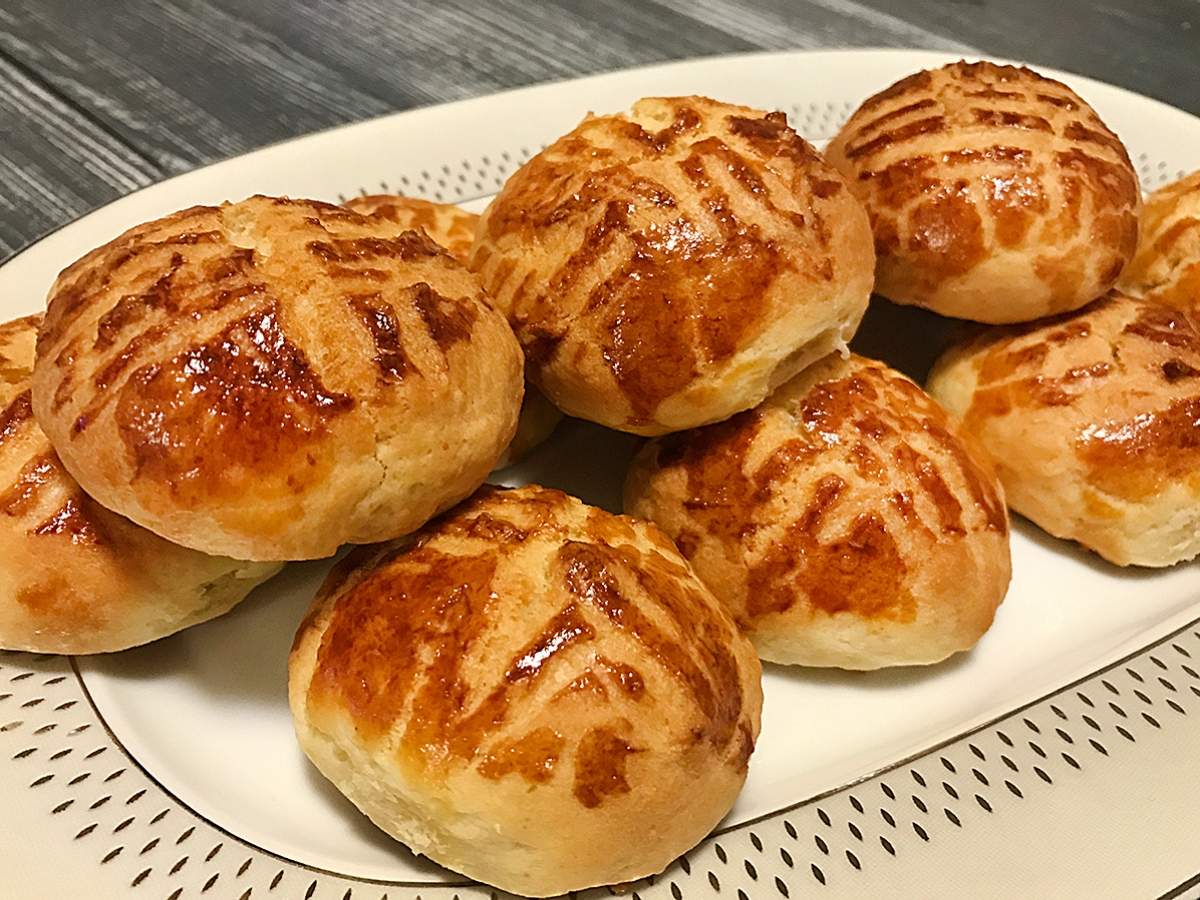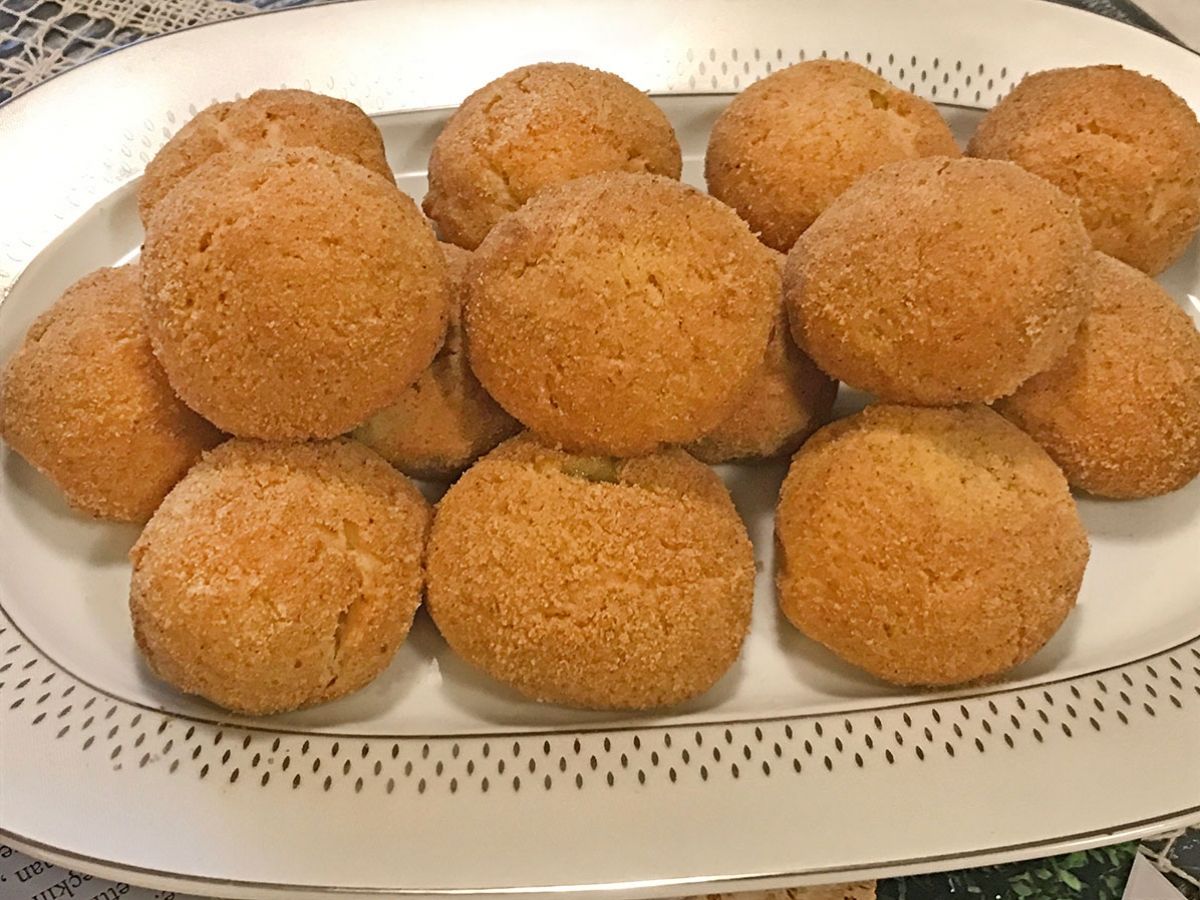

Ingredients for Breadcrumb-Coated Potato Poğaça (Turkish Stuffed Rolls)
- 2 medium potatoes
- 100 g kaşar cheese (Turkish semi-hard cheese, similar to mild cheddar)
- 1 teaspoon salt
- 1 teaspoon black pepper
- Half a package of margarine, at room temperature
- 1 tea glass vegetable oil (about 100 ml / 1/3 cup + 1 tbsp)
- 1 water glass yogurt (about 200 ml / 3/4 cup + 1 tbsp)
- 1 packet baking powder
- 1 dessert spoon salt (about 2 tsp)
- Flour (as much as needed)
How to Make Breadcrumb-Coated Potato Poğaça (Turkish Stuffed Rolls)
- Boil 2 medium potatoes in a pot, then peel them and place in a bowl. While still hot, grate 100 g of kaşar cheese over them. Add 1 teaspoon of salt and 1 teaspoon of black pepper, then mash and mix together.
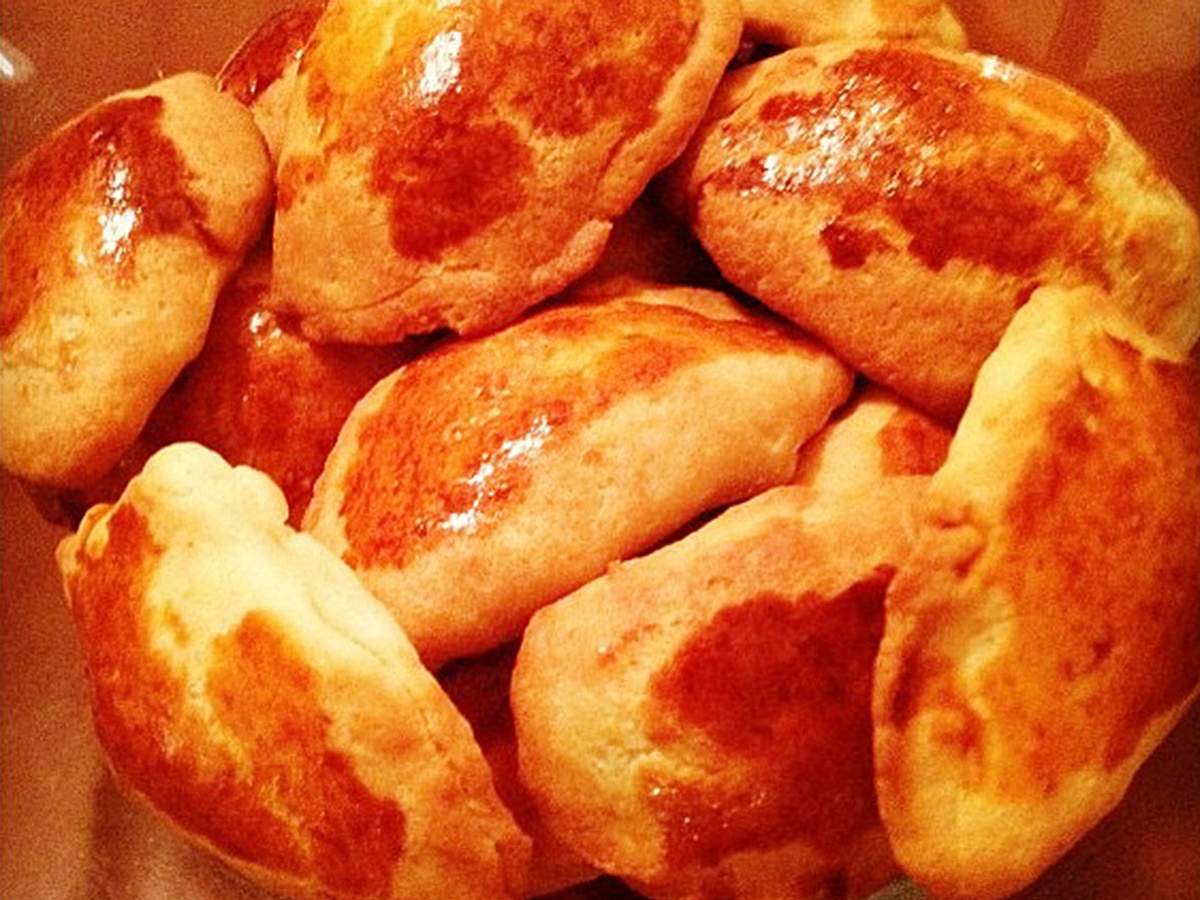
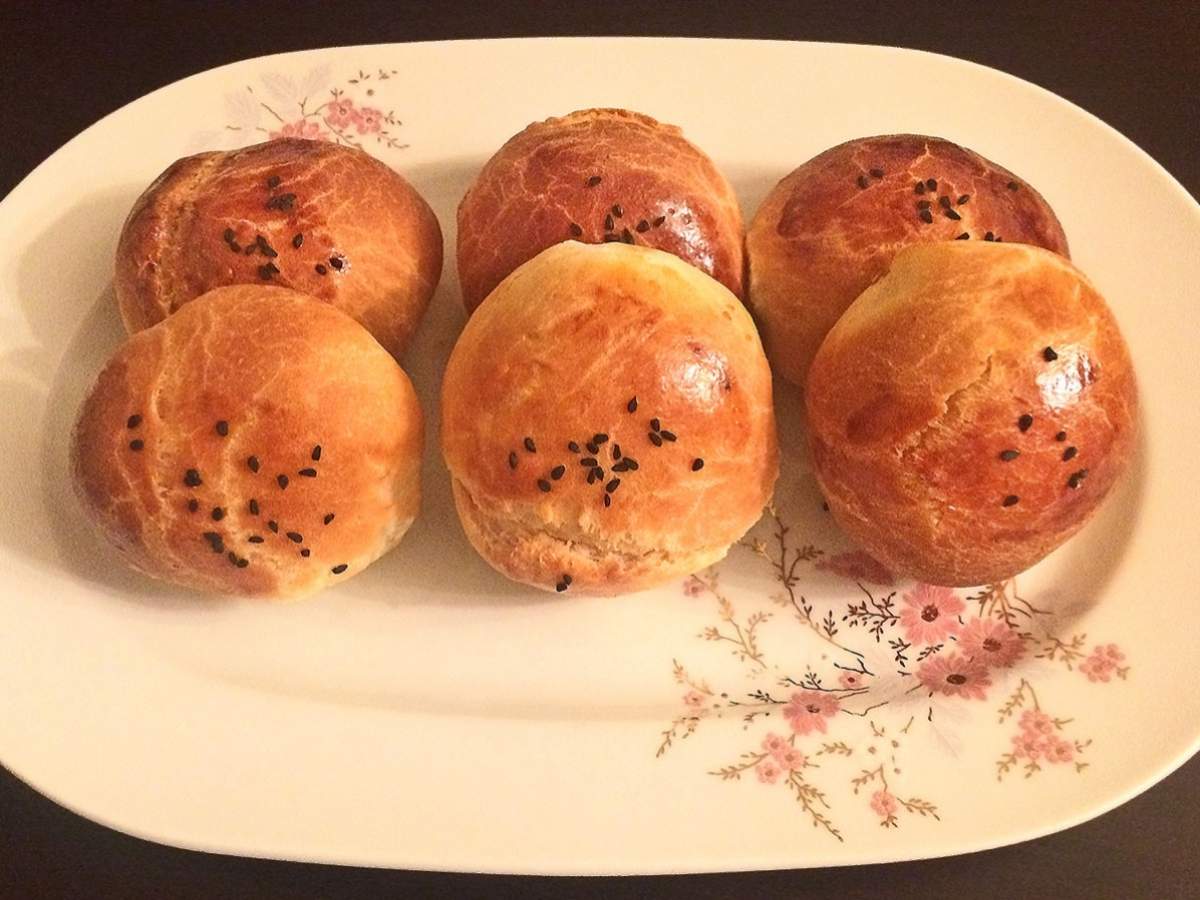
- In a kneading bowl, combine half a package of room-temperature margarine, 1 tea glass of vegetable oil, 1 water glass of yogurt, 1 packet of baking powder, 1 dessert spoon of salt, and as much flour as needed, then knead the dough. Let it rest in the refrigerator for half an hour. Take a piece of dough about the size of a mandarin orange, roll it into a ball and flatten it. Place 1 tablespoon of the potato filling in the center, close the dough around it, and roll it back into a ball. Toss the prepared rolls into a bowl filled with breadcrumbs until fully coated. Arrange on a baking tray lined with parchment paper and bake in a 200°C (390°F) oven until golden brown.
About This Recipe
Today's botanists generally agree that the potato's homeland is South America. The potato grew wild in the Andes Mountains, then spread to Colombia and Venezuela, and from there to Chile and northern Argentina. Ultimately, all varieties began to be cultivated and produced in Peru.
Potatoes were first harvested by the Incas around 1400 BC. The spread of the potato in Europe took place during the Thirty Years' War (1618–1648). Spanish soldiers returning from the American voyages of discovery brought potatoes with them to Germany as horse feed. At that time, some of the poor folk stole or begged potatoes from the Spaniards and tasted them for the first time. However, not knowing how to consume them properly, they ate them raw without peeling, which caused severe digestive problems. As a result, potatoes were judged to be a source of disease. Rumors even spread quickly that they caused deadly contagious diseases such as the plague, cholera, typhus, and leprosy. They were given only to animals and prisoners. Had it not been for the Germans' eventual change of attitude, potatoes might still be nothing more than animal feed today. Thankfully, they remained on people's tables! During the Seven Years' War, captured French pharmacist Antoine-Augustin Parmentier managed to survive solely on potatoes. When he returned to his country in 1763 after being freed from captivity, he devoted the rest of his life to introducing and vindicating the potato that had saved his life.
Our Yeasted Potato Poğaça recipe is a legend, we'll admit. But today's Breadcrumb-Coated Potato Poğaça is so good, you won't be able to stop at just one or two bites! Don't say we didn't warn you. Enjoy!