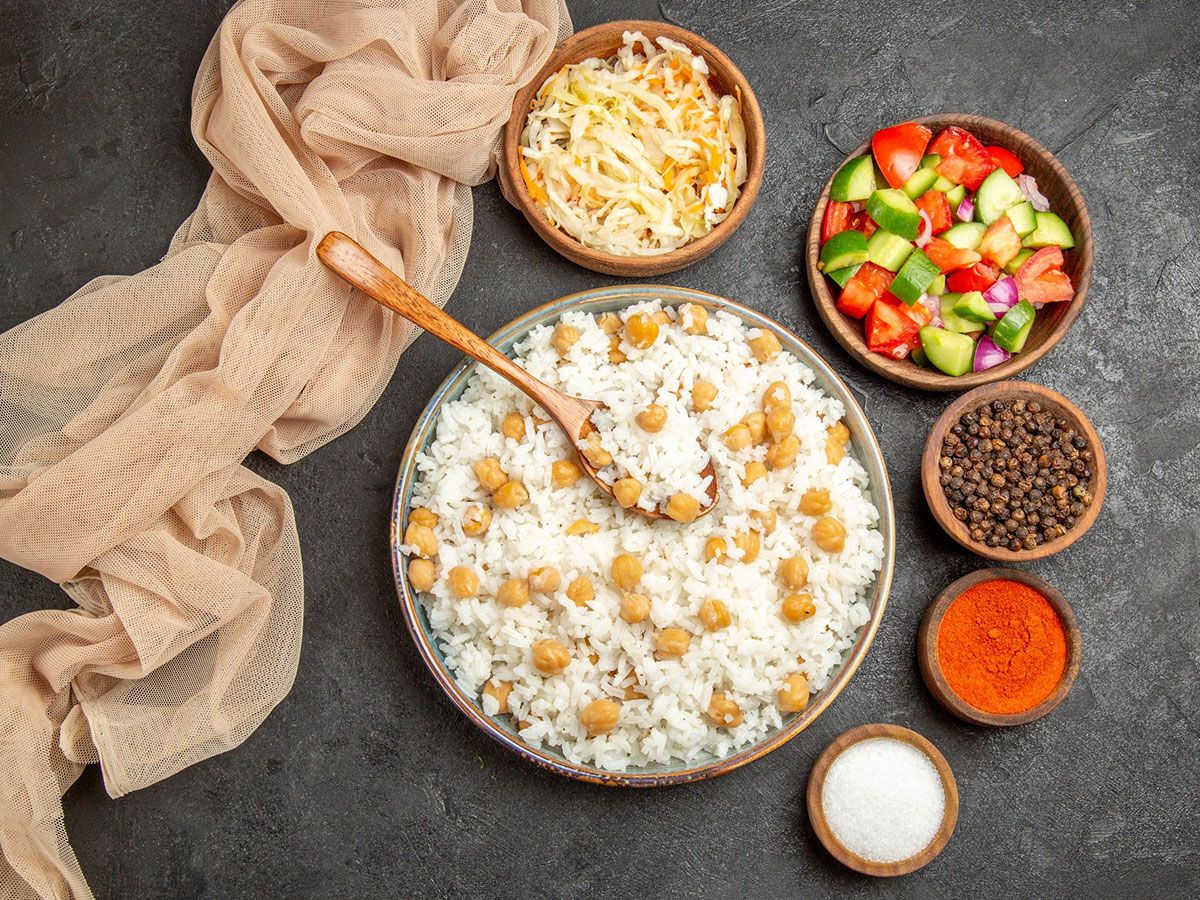

Ingredients for Chickpea Pilaf (Nohutlu Pilav)
- 2 water glasses (about 200 ml / 3/4 cup + 1 tbsp each) rice
- 3 tablespoons butter
- 1 tablespoon vegetable oil
- 2 water glasses water
- 1 water glass boiled chickpeas
- 1 dessert spoon (about 2 tsp) salt
How to Make Chickpea Pilaf (Nohutlu Pilav)
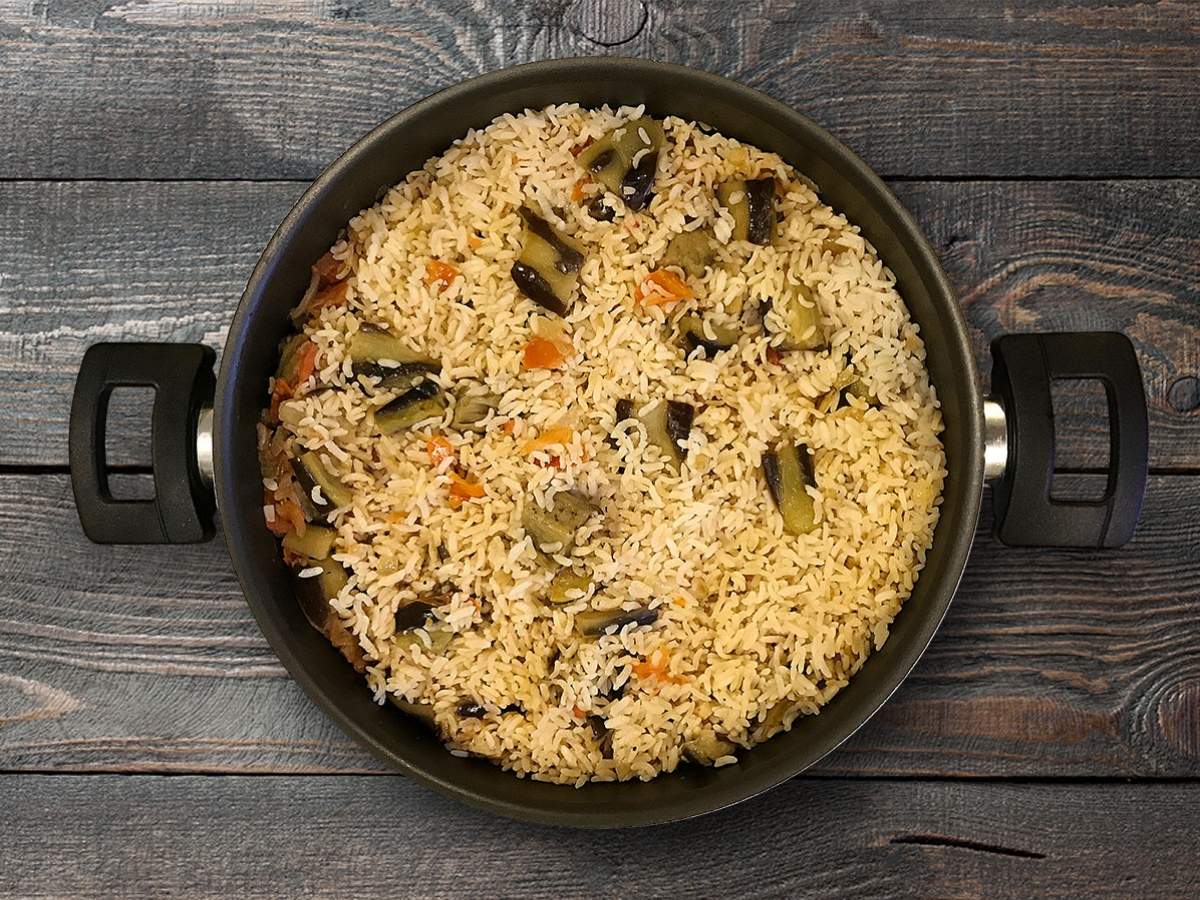
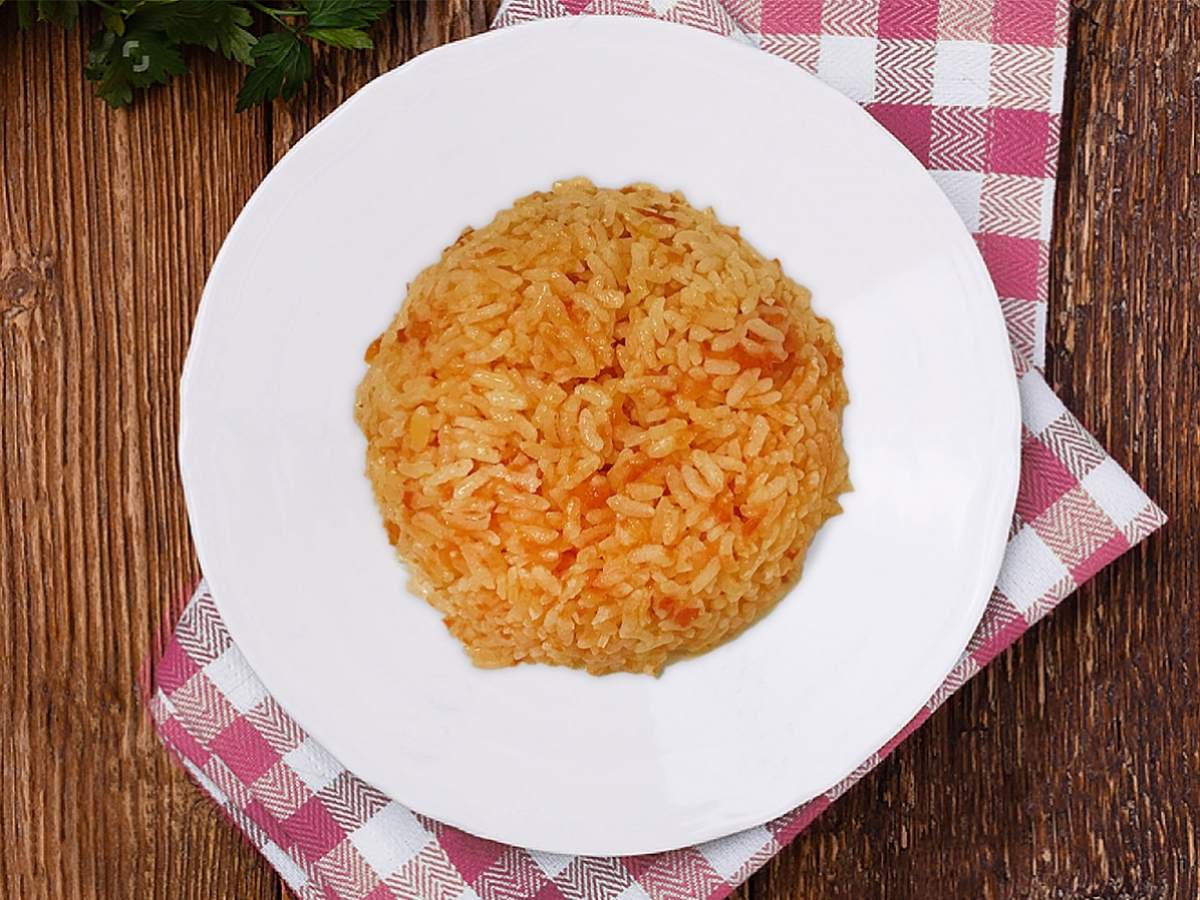
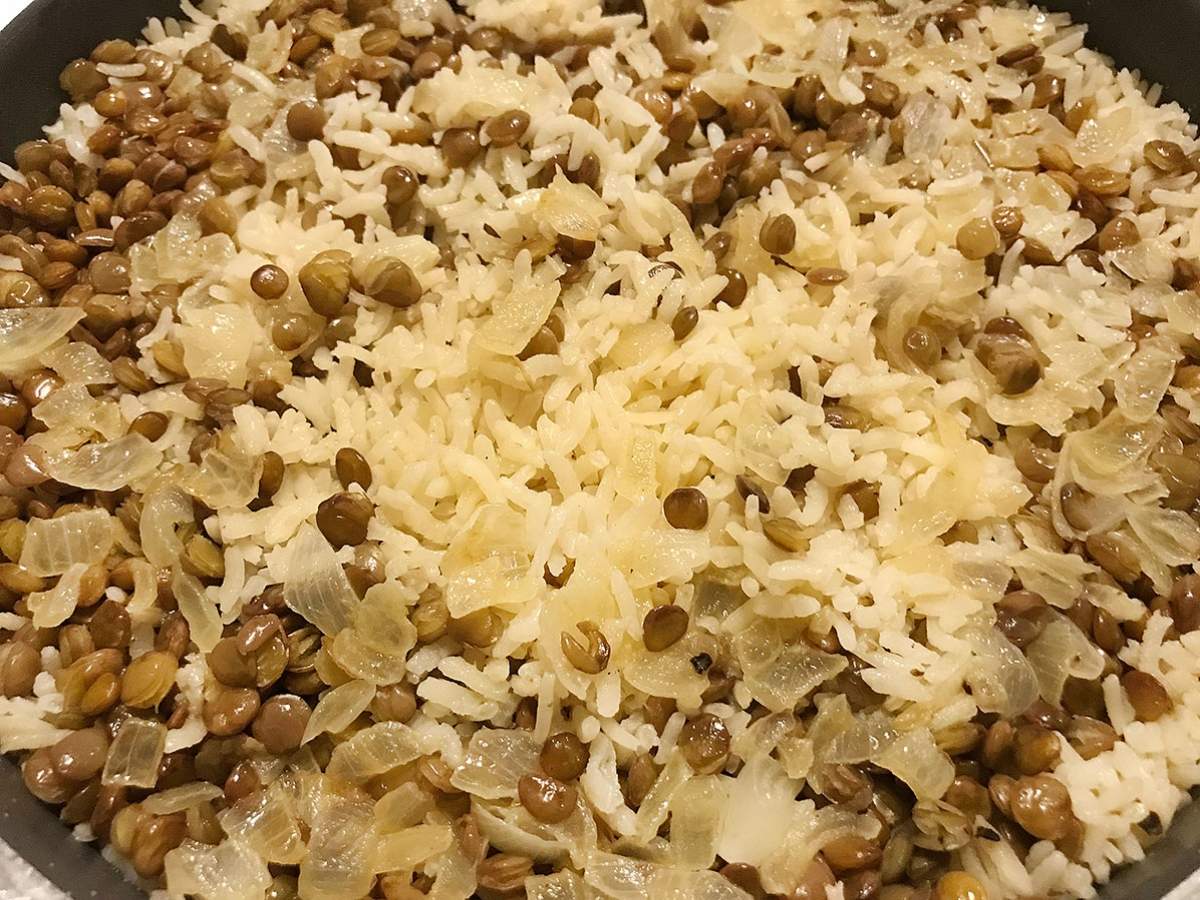
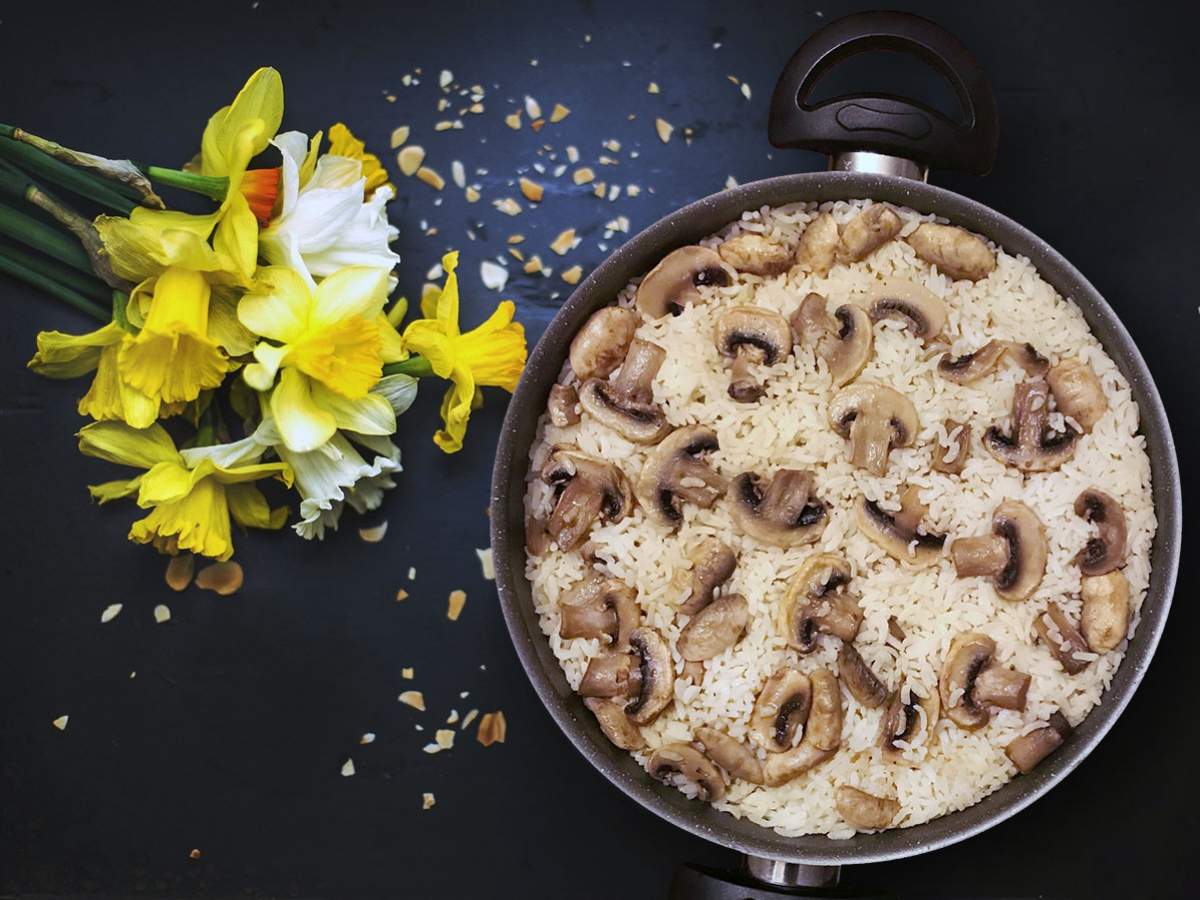
Pick over and rinse 2 water glasses of rice. Place the rinsed rice in a bowl, cover with hot water until fully submerged, and let it soak until the water cools. In a pilaf pot, melt 3 tablespoons of butter and 1 tablespoon of vegetable oil. Add 2 water glasses of water and bring to a boil, then add 1 water glass of boiled chickpeas. Once it comes back to a boil, drain the soaked rice and add it to the pot, then sprinkle in 1 dessert spoon of salt. When it boils again, reduce the heat and cook for 15 minutes. Enjoy your meal…
About This Recipe
Chickpeas, also known by their other names Cicer arietinum, chickpea, and pois chiche, are a member of the edible legume family. They have a deep taproot and are self-pollinating. The pods are plump and oval-shaped, tapering to a point at the tip with small hairs. Each pod contains 1–3 seeds. The flower stalks bear white, pink, or blue blossoms. The seeds develop inside pods called husks, and their color varies — they can appear white, cream, yellowish, or brown.
The fiber found on the outer layer of a chickpea protects heart and cardiovascular health and helps lower cholesterol.
Although the interior of the seed contains starch, the outer fiber layer slows the absorption of that starch into the bloodstream, which supports healthy eating. Chickpeas also contain unsaturated fatty acids.
They can be consumed roasted (as leblebi). The best way to maximize protein benefit is to cook them together with other grains. Among grains, chickpeas contain the highest amounts of protein, calcium, zinc, iron, and magnesium. Because the outer skin contains indigestible fiber, calcium and iron absorption can be low. However, with adequate soaking and proper cooking methods, the effect of indigestible fiber is reduced and it loses its mineral-binding effect. Chickpeas are very rich in vitamins B and E. When soaked, the outer skins separate, which reduces their gas-producing effect. It is very important not to discard the cooking water, as it contains B-group vitamins and minerals.
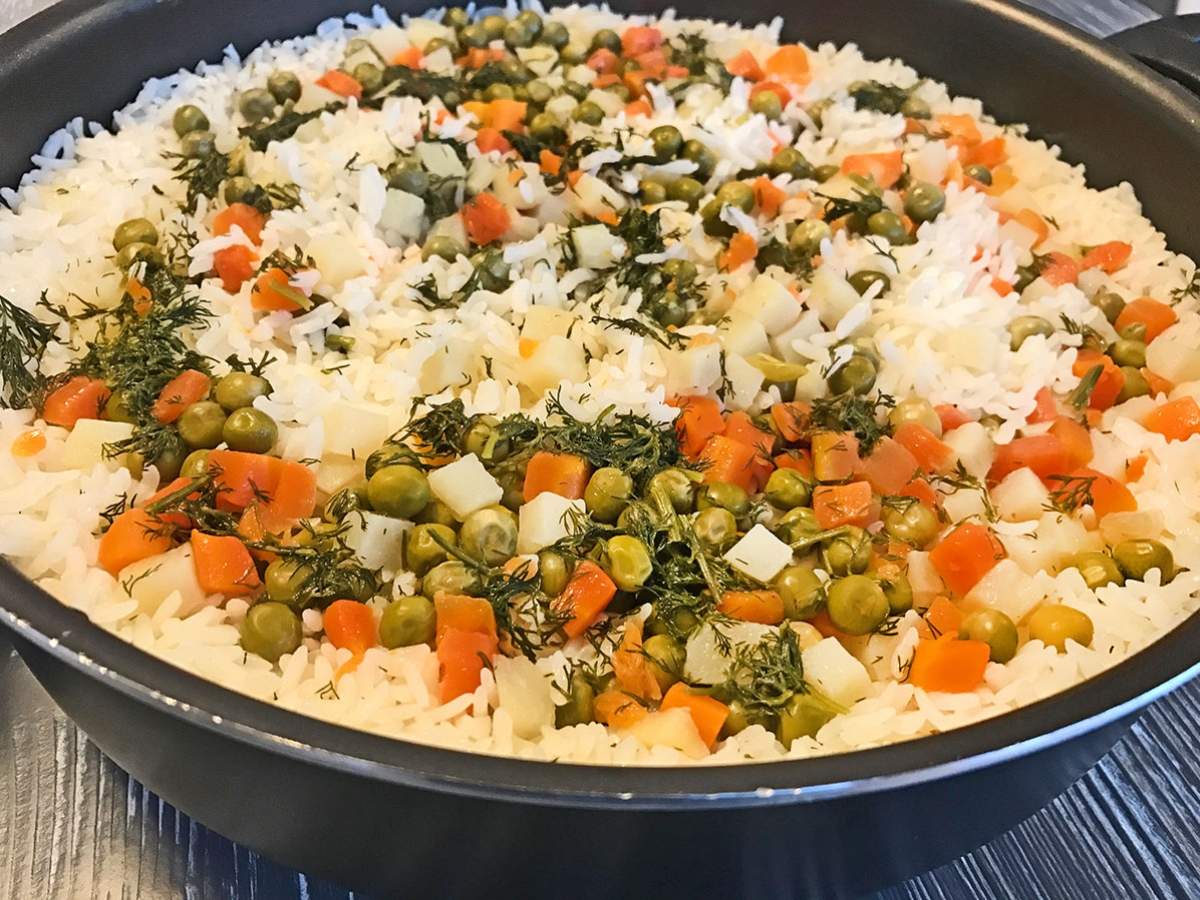
Pea Pilaf exists — so did you really think we'd leave out Chickpea Pilaf? :) Bon appétit!