Cancer Fighters in Our Kitchen
It's well past time to regularly make room for cancer-fighting foods on our tables. But which foods are they, and what do they contain? We cover it all in this article.
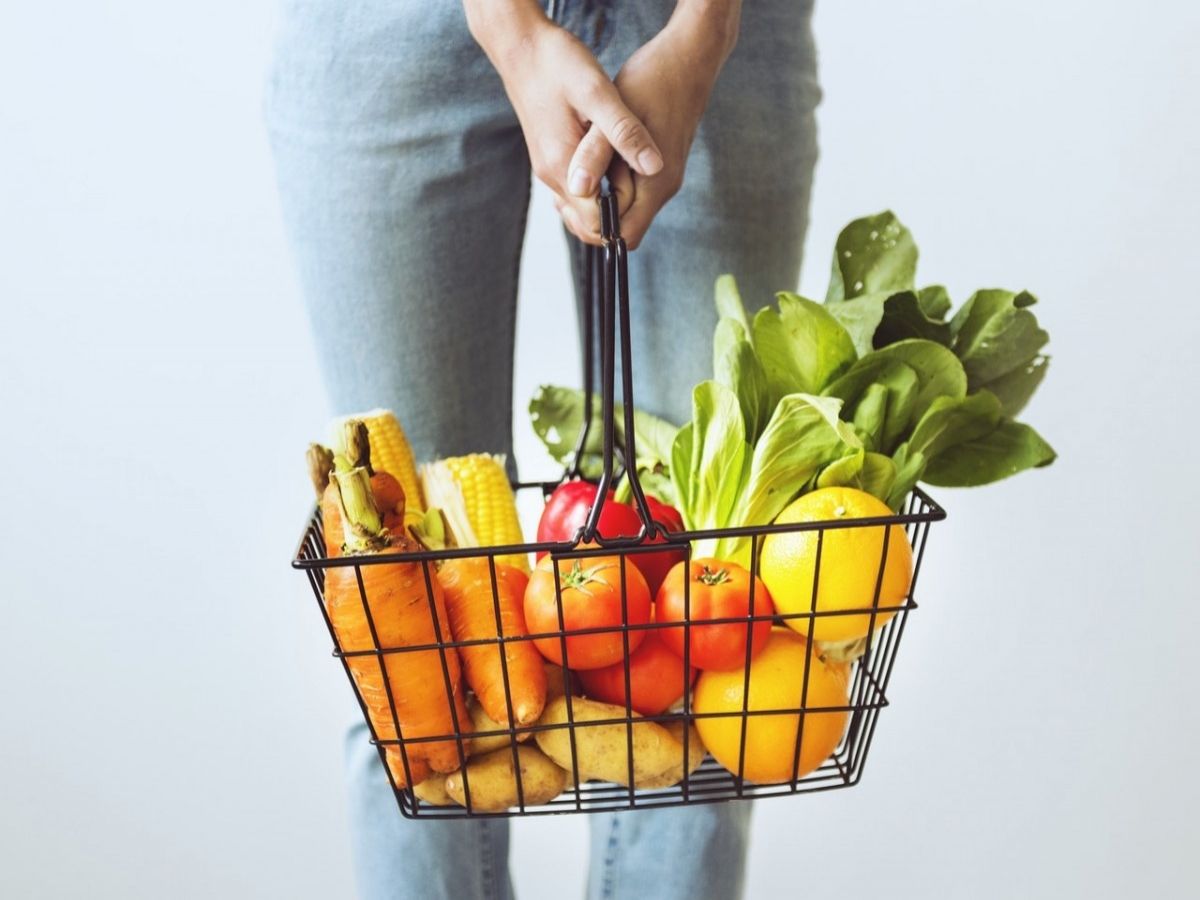

Poor diet is just as much a cause of cancer as smoking, alcohol, and genetic factors. In fact, experts say that unhealthy eating habits can increase the risk of developing cancer by as much as 30%. Frightening, isn't it?
Let's not panic — but let's take a close look at our eating habits right away. And let's make sure to regularly welcome the foods listed below onto our tables in adequate amounts. Some foods, when consumed in season and in sufficient quantities, make a remarkable contribution to the body's immune system. Here are some of the most important of those remarkable foods...
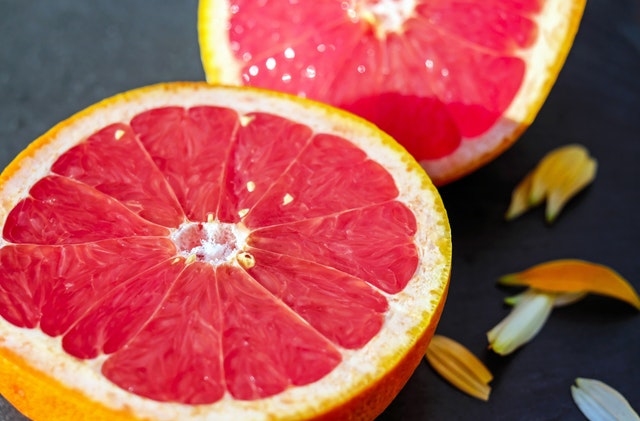
Vitamin C Is a Must!
Of course, the first thing that comes to mind is grapefruit — a treasure trove of Vitamin C. Vitamin C is a powerful antioxidant that strengthens the immune system and fights free radicals that damage the body. Research shows that Vitamin C plays an important role in preventing respiratory, reflux, stomach, and colon cancers. Eating one grapefruit in season meets about 70% of a person's daily Vitamin C needs. Not a fan of grapefruit? Then our alternative cancer fighters step in for you: you can also consume kiwi, long green peppers (sivri biber), and rosehips. They are all packed with Vitamin C and are cancer fighters in their own right.

An Elixir from the Far East: Green Tea
Catechins are a group of potent antioxidant flavonoids found in tea and certain fruits and vegetables. Green tea contains many forms of catechins in its composition. Experts say that green tea reduces cancer risk thanks to the catechins in its content. Black tea also contains catechins, but green tea has a richer catechin content. Make it a point to drink at least 1 cup and at most 2 cups a day, rain or shine, summer or winter.
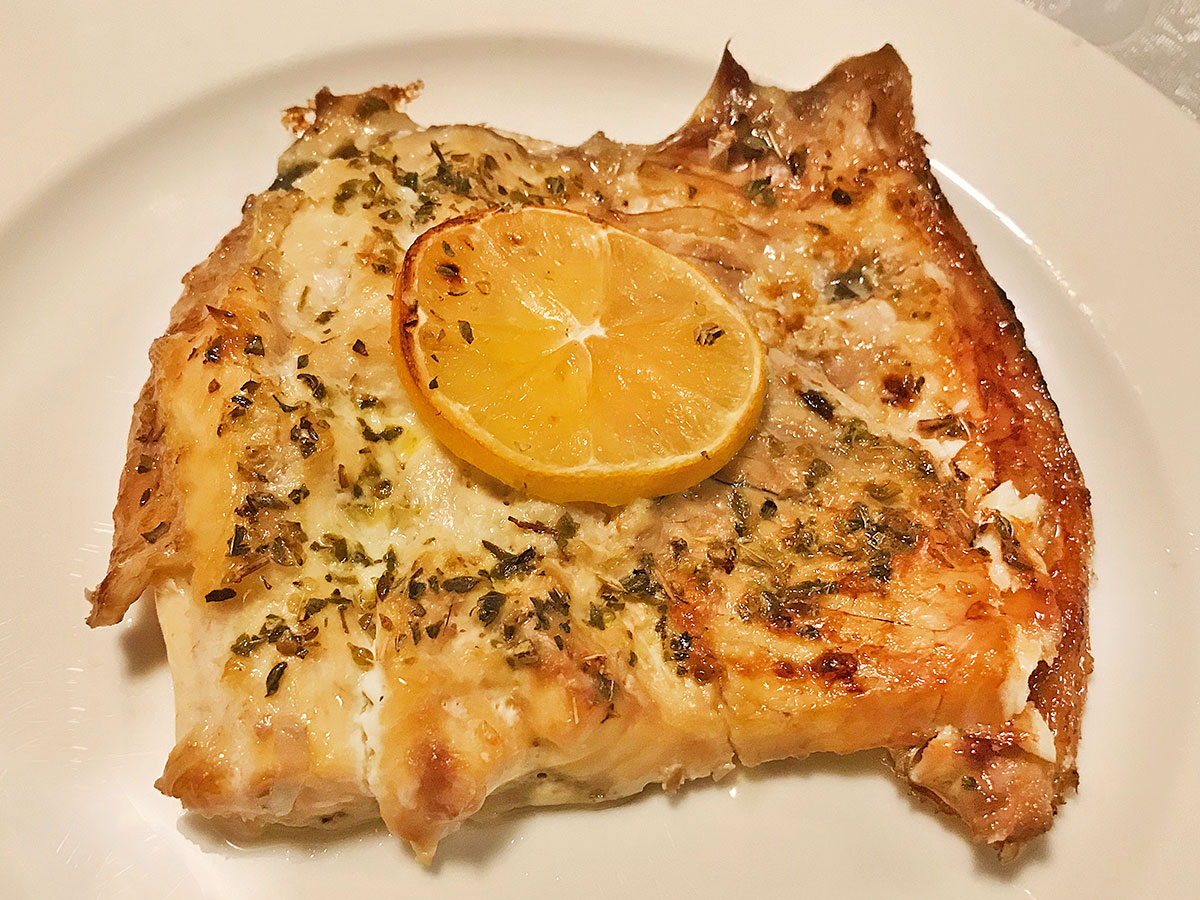
Healing from the Sea: Fish
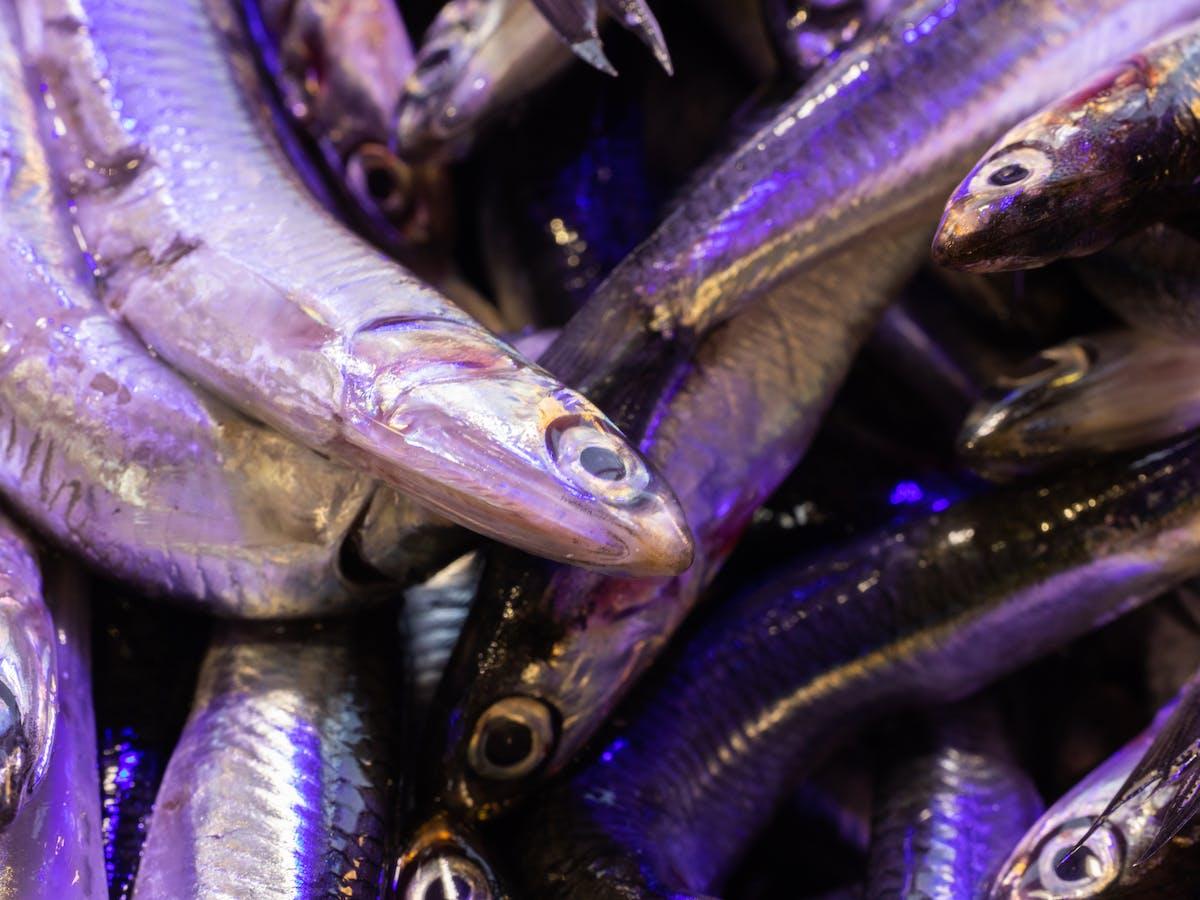
There is research supporting the idea that omega-3 fatty acids delay tumor formation. Fish is a rich source of omega-3. Sardines, mackerel, salmon, turbot, herring, and tuna are particularly high in omega-3. To reduce the risk of cancer, you should add at least 2 portions of fish per week to your diet. One important point, though: always prepare fish using healthy methods — baked in the oven or steamed. Just like our Baked Salmon recipe.
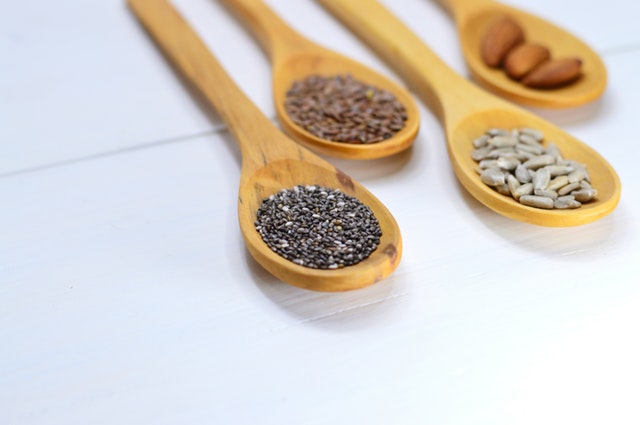
10 Grams of Flaxseed a Day
Flaxseed contains omega-3 fatty acids, alpha-linolenic acid, protein, high amounts of both soluble and insoluble fiber, and lignans. It is also known that regular flaxseed consumption lowers LDL cholesterol and reduces arterial buildup. Did you know that consuming 10 grams of flaxseed per day can reduce the risk of breast cancer? Whether on its own or mixed with yogurt, make sure to include flaxseed in your diet.
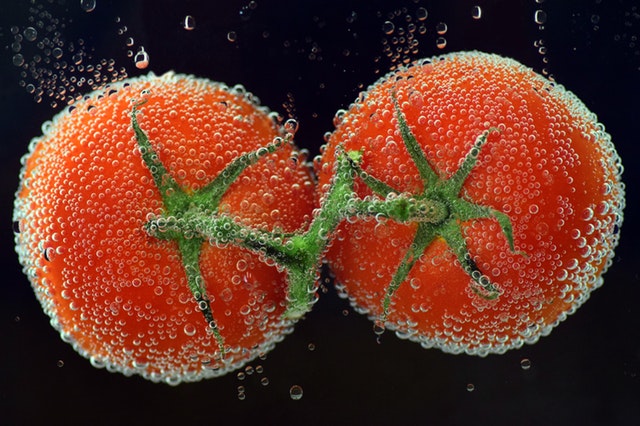
Red Healing: Tomato
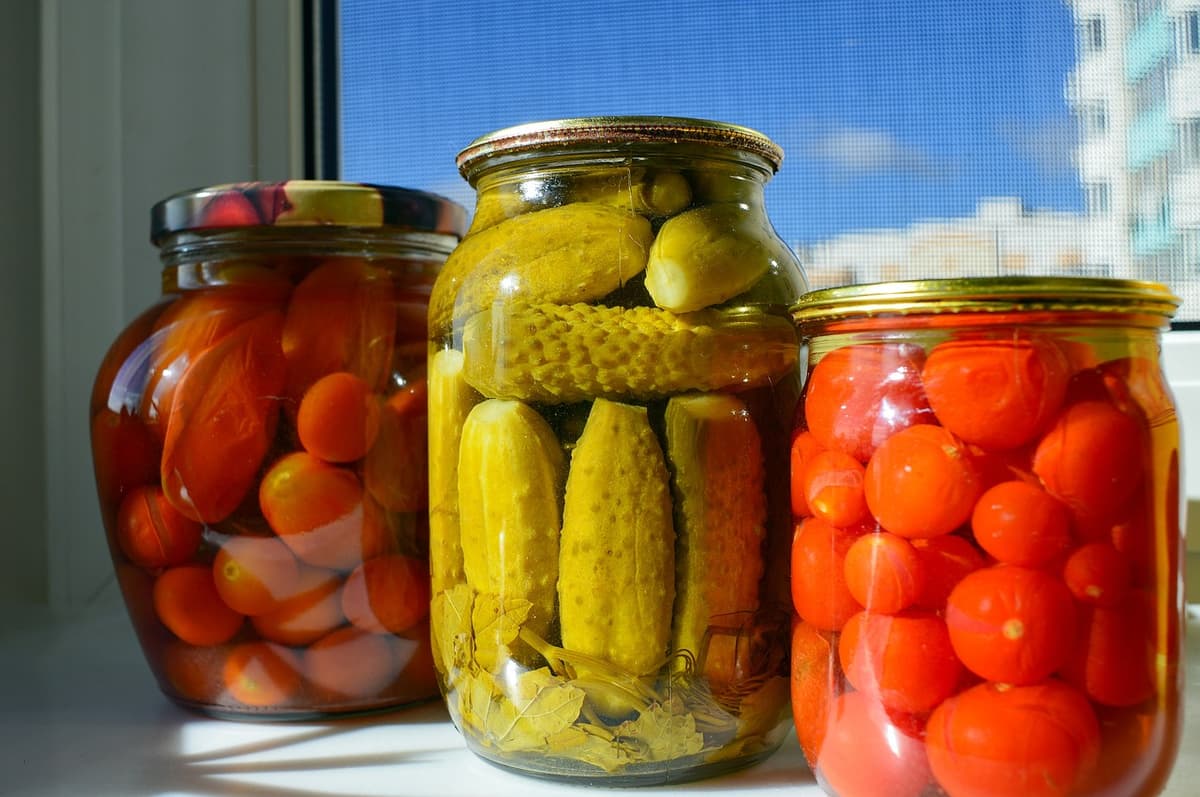
Tomato is a healing source of the warmer months. It contains a very high amount of lycopene — a compound with a potential role in reducing cancer risk. When tomatoes are cooked, the effect of lycopene increases even further, becoming a powerful antioxidant. Tomatoes consumed in season during the summer months, thanks to their antioxidant richness, reduce the risk of prostate, breast, digestive system, bladder, skin, and cervical cancers. Make sure to include tomatoes in every meal during the summer months — and whenever possible, have them cooked.
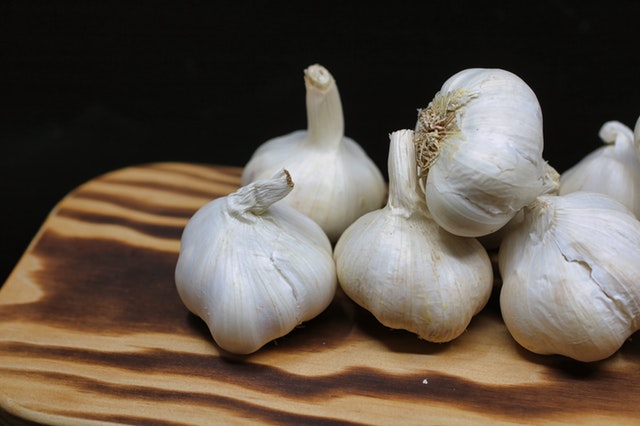
Repels Both Vampires and Cancer: Garlic
Garlic has continued to be used for medicinal purposes from ancient times to the present day. The sulfur compounds found in garlic strengthen the body's immune system and protect the body against cancer by increasing the activity of enzymes that inhibit the proliferation of tumor cells. "Garlic? Not for me" — plenty of people say that. In that case, you can still fight cancer by consuming other vegetables from the same family, such as onion and leek. Experts note that garlic consumption can help us combat stomach cancer in particular, as well as bladder, colon, and prostate cancer. Include cooked onion and garlic in your meals. Remember, cooked garlic and onion don't cause bad breath. Worth mentioning too: you'll see more of garlic's positive effects when you consume it whole. Don't say we didn't warn you...
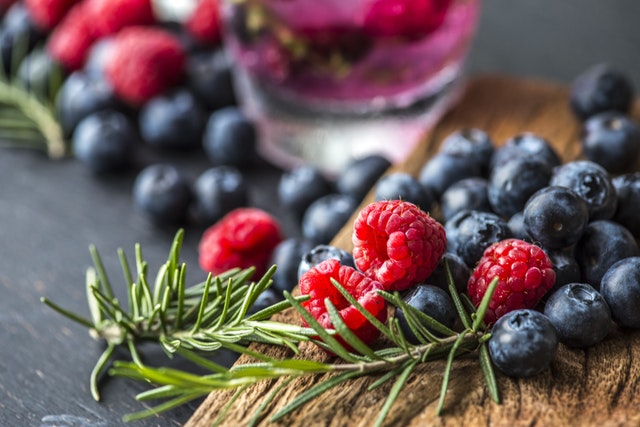
Hooray for Red Berries!
Blueberries challenge cancer with their flavonoid compounds, proanthocyanidins, and powerful antioxidant effects. If fresh, you can consume about 1 tea glass (about 100 ml / 1/3 cup + 1 tbsp) per day; if dried and not roasted with sugar, a handful per day is sufficient. For those who can't eat blueberries, there are alternatives: strawberries, red mulberries, blackberries, and raspberries also contain similarly high levels of these compounds.
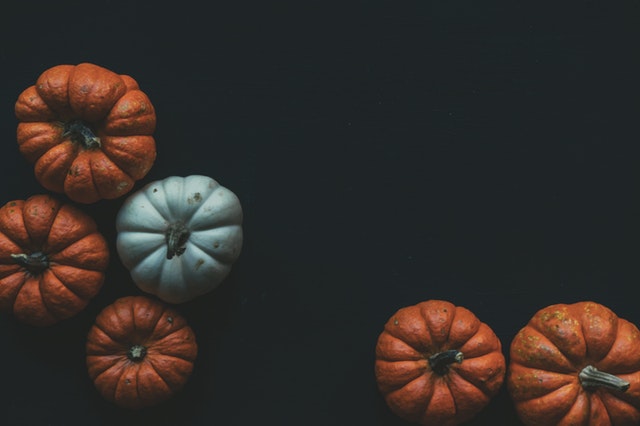
Rich in Beta-Carotene: Butternut Squash
Butternut squash contains beta-carotene, a very powerful antioxidant. Beta-carotene also has a preventive effect against cell damage caused by free radicals in our body. When you add beta-carotene-rich foods to your diet, you protect your body against breast cancer during the pre-menopausal period. Be careful though — rather than a sugary squash dessert (since sugar is a cancer trigger), enjoy a hearty Butternut Squash Soup. Other alternative foods containing beta-carotene include apricots, carrots, sweet potatoes, persimmon, and other dark yellow-orange vegetables and fruits such as citrus fruits.
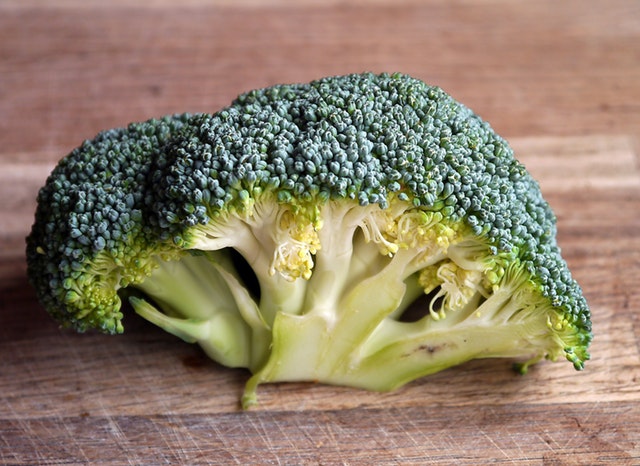
The Cruciferous Vegetable Family
Winter vegetables from the cruciferous family — such as cabbage, cauliflower, broccoli, chard, varieties of radish, turnip, mustard greens, watercress, and wild carrot — strengthen the immune system and develop a protective effect against infections thanks to the phytochemical sulforaphane they contain. In this way, they help destroy precancerous cells and prevent DNA cell damage. Consuming about 200 g (about 7 oz) of cruciferous vegetables 2–3 times a week, especially in season, is an ideal way to protect against cancer. Experts recommend consuming them steamed or raw, without exposure to high heat.
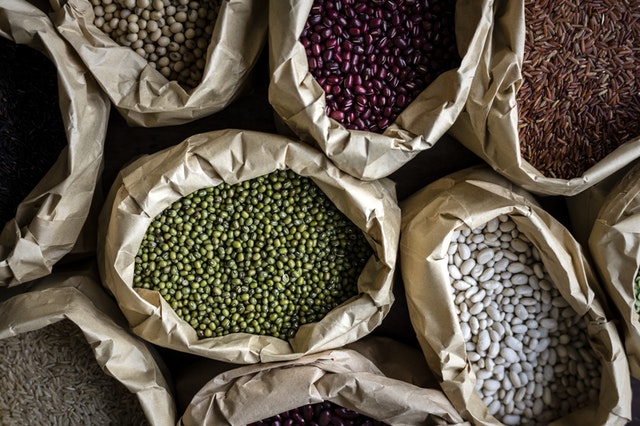
Legumes Are Indispensable
Red and green lentils, dried beans, chickpeas, and soybeans are both a source of plant-based protein and excellent cancer fighters thanks to the phytochemicals they contain. Don't neglect to include legumes on your table 2–3 times a week to reduce the risk of cancer.
Wishing you healthy days...