The Essentials of Ramadan: Iftar Spreads
Iftar spreads are the perfect companions to freshly baked Ramadan pide. We've rounded up the most delicious iftar spread ideas just for you. Enjoy!
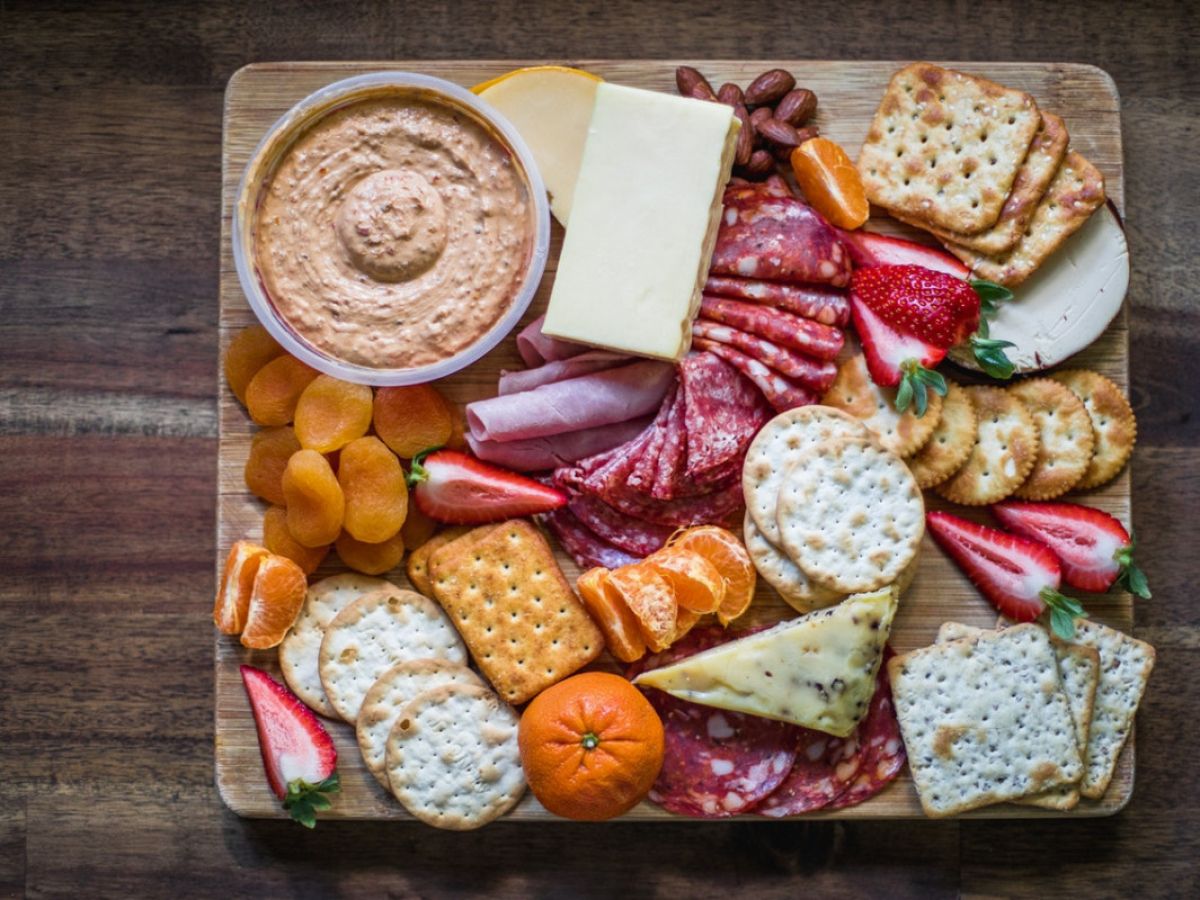
Ramadan fell in spring this year, which means the days are long. We end up quite hungry by the time iftar arrives, and it's important not to overburden the stomach right after breaking the fast. For this reason, after breaking our fast we should have a bowl of soup and then continue with light iftar spread bites before moving on to the main course.
When it comes to iftar spreads, cheese varieties are the first thing that comes to mind — from regional cheeses all the way to kaşar cheese (Turkish semi-hard cheese, similar to mild cheddar) and white cheese (similar to feta), there's quite a variety to choose from. Right alongside those come pastırma (Turkish air-dried cured beef), roasted meats, salami, cold cuts, and olive varieties. These delights are also the stars of our pre-dawn suhoor tables...
In this section of our article, we wanted to take a closer look at iftar spreads. Because with our suggestions, we can set rich and satisfying tables. Of course, we also intend to answer the question on everyone's mind: "What goes on an iftar spread plate?"
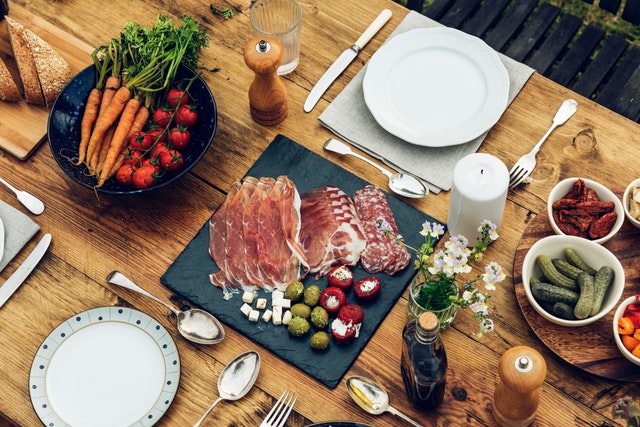
The First Thing That Comes to Mind for an Iftar Spread: Cheese
Cheese holds an important place in our daily diet, containing calcium as well as various minerals and vitamins A, C, D, E, and K. Cheese is the greatest nutritional ally in maintaining human health and strengthening the immune system. For this reason, don't forget to prepare a mixed cheese plate for both your iftar and suhoor tables.
Let's take a closer look at a few cheese varieties;
Ezine Cheese: A cheese produced in the Ezine district of Çanakkale. Ezine cheese is one of the finest quality cheeses available.
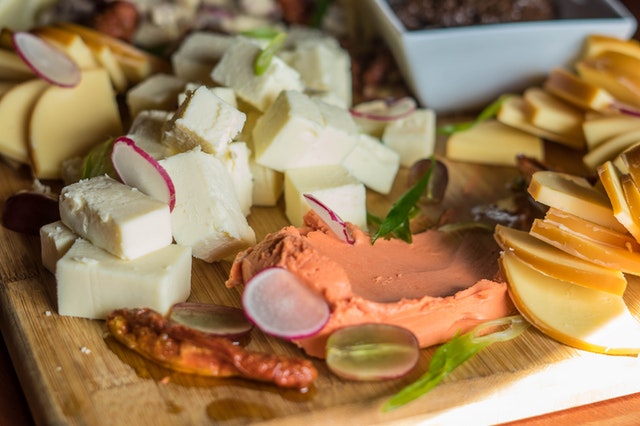
Thrace Aged Kaşar Cheese: Its flavor comes from the milk of animals fed on herbs unique to the Thrace region. It is produced by blending sheep's, cow's, and goat's milk in specific proportions.
Çeçil Cheese: A cheese variety claimed by the Erzurum and Kars regions.
Kars Aged Kaşar Cheese: Produced from sheep's, goat's, and cow's milk in April and May. After production, it is aged for about 6 months before consumption.
Mihaliç Kelle Cheese: A famous cheese from the Bandırma region. It is a variety that is slightly saltier than average.
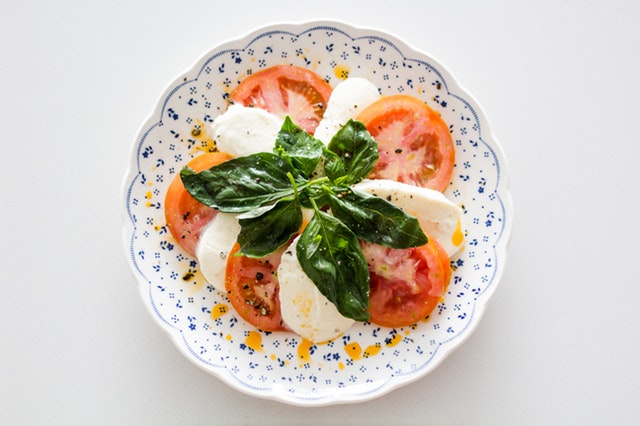
Goat Cheese: A high-quality, delicious cheese produced in almost every region of our country.
Van Herb Cheese: Produced in spring, when both milk and herbs are plentiful. It achieves its unique flavor thanks to the wild herbs native to the region.
İzmir Bergama Tulum Cheese: Ranked among the most delicious cheeses not only in our country but in the world. It is produced using traditional methods by the Yörük people, who migrated from Central Asia and settled in the Aegean region. It reaches its most flavorful state after being aged for six months.
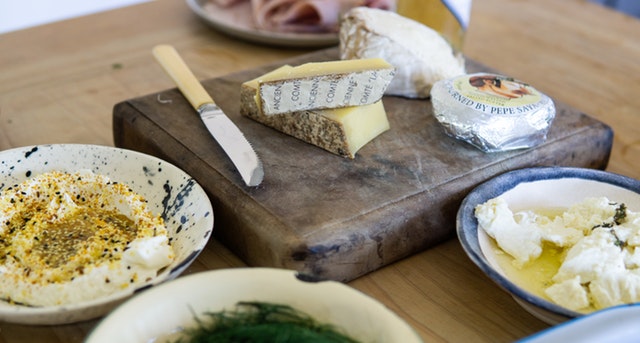
A Legacy from Our Ancestors: Pastırma
Pastırma (Turkish air-dried cured beef) is undoubtedly one of the first things that comes to mind when we speak of traditional flavors. Its history traces back to the culinary culture of nomadic Central Asian Turks. Being both nomadic and warriors, the Central Asian Turks would always bring along salted cuts of beef and other animal meats to keep moving on horseback without wasting time and without going hungry. They would carry these meats sometimes compressed inside leather pouches, and sometimes tied to the horse's saddle and pressed between their legs. During these journeys that lasted for weeks, these compressed, salted cuts of meat would transform into what we now know as pastırma.
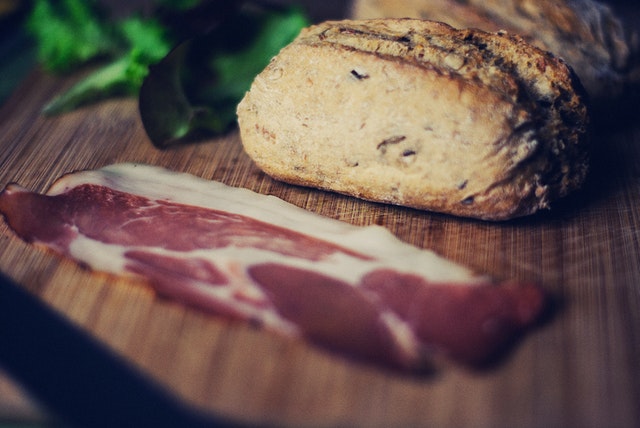
If you haven't had time to prepare an iftar meal, we have a very filling and delicious recipe for you: our Pastırma and Eggs recipe can serve as both the iftar spread and the main course on your table...
Pastırma is such a wonderful flavor that it can turn leftover Ramadan pide from the day before into a fresh and magnificent feast. How, you ask? Our Pastırma Pizza recipe is the kind that solves your meal dilemma at the speed of light...
For Warm Bread or Ramadan Pide: Butter
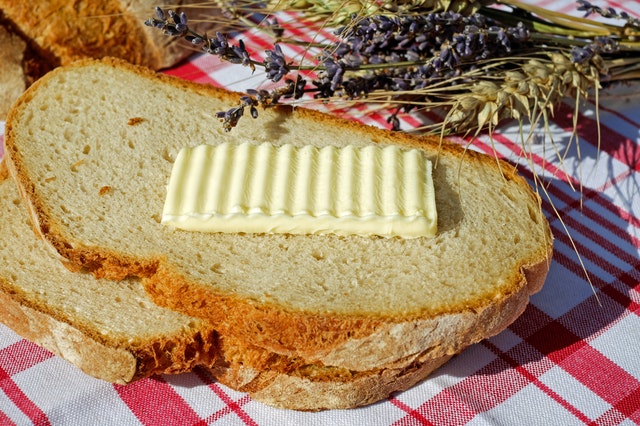
Is there anything like a natural, additive-free butter made from the milk of cows fed on the highland herbs unique to their region? It knows best how to turn any dish into a flavor celebration with its aroma and taste.
Healthy Snacks: Dates - Walnuts - Almonds - Dried Apricots
Healthy snacks are another indispensable part of our iftar tables. And since it's the month of Ramadan, Dates naturally take the top spot. Healthy snacks are a delight for both the eyes and the stomach at the iftar table...
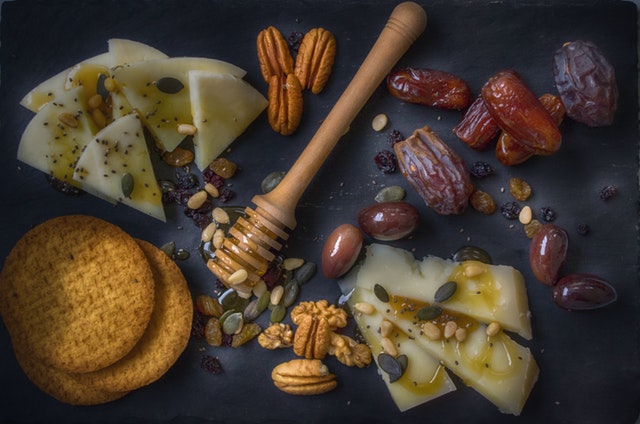
The Fruit of the Thousand-Year-Old Tree: Olives
The age of an olive tree is measured not in centuries but in millennia. Although the special fruit of this special tree continues to grace our breakfast tables every morning, limiting it to just that would be doing this remarkable fruit a disservice. For that reason, it truly deserves to be the star of both the iftar and suhoor tables...
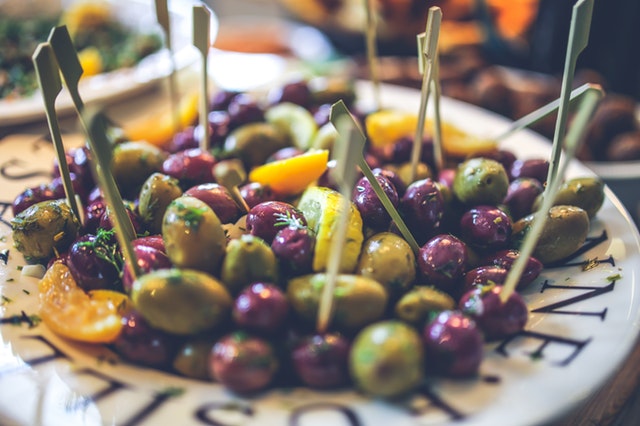
Iftar spreads, with their increasingly elaborate presentation rivaling that of hors d'oeuvre platters, seem to be on track to become an indispensable part of our tables — what do you think?
Blessed Ramadan to all...