What Are Root Vegetables? Benefits & How to Cook Them
Root vegetables that grow underground are a treasure trove of vitamins, a great source of fiber, and rich in antioxidants. So which root vegetables have the highest nutritional value, and how do you cook them?
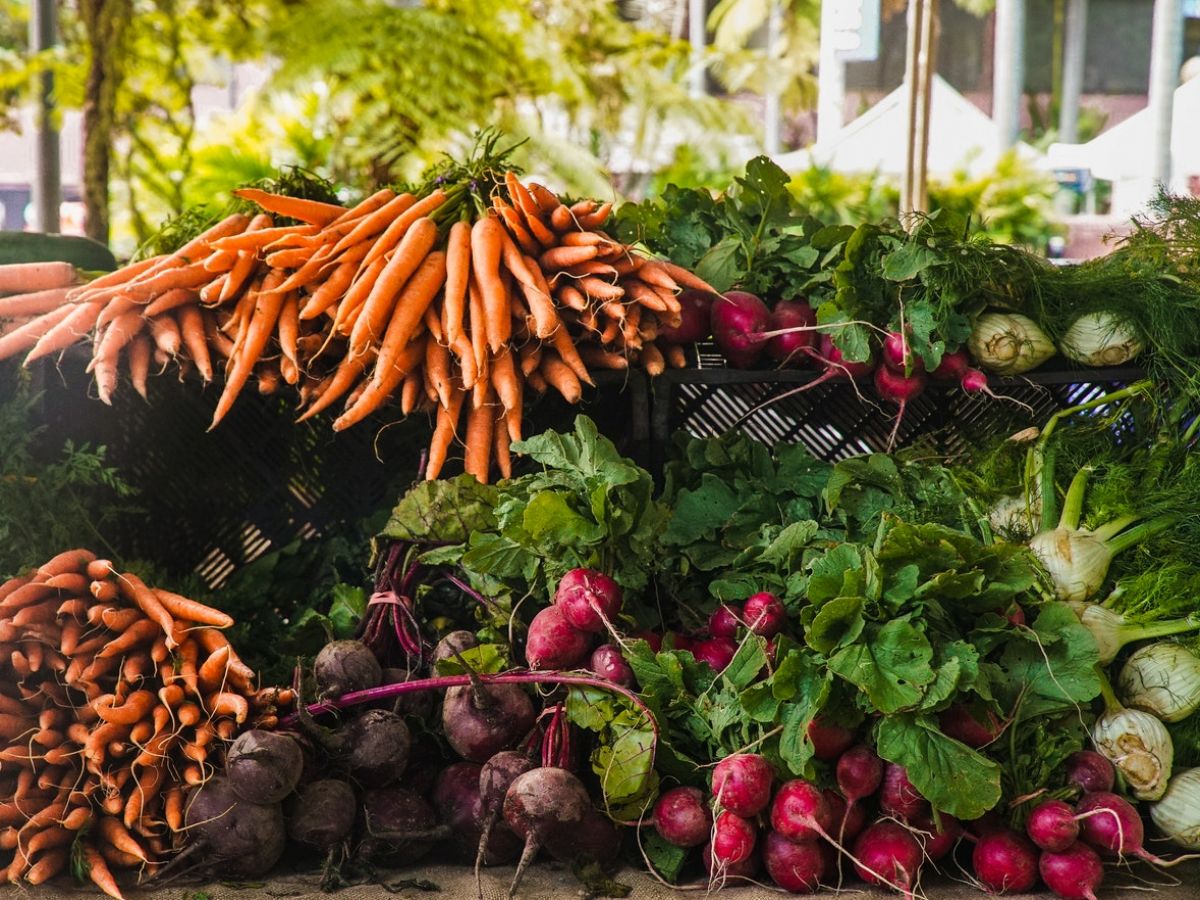

In its simplest definition, root vegetables are plants that grow and develop underground. Their leaves capture and store solar energy, transferring it to the vegetable itself — which is why root vegetables are so energy-dense. These underground plants grow by drawing on the richness of the soil. They are packed with vitamins and minerals, high in fiber, rich in nutrients, loaded with antioxidants, and high in starch. Protected from the cold by the insulation of the earth, these underground vegetables find their place on our tables as winter approaches. Generally irregular in shape and slightly bitter in taste, they are rich in complex carbohydrates, which means they keep you full for a long time and support healthy digestion. Since they are also extremely low in calories and fat, root vegetables are undoubtedly a delicious and indispensable part of a healthy diet. The high concentration of minerals found in root vegetables also positively affects a person's mental and emotional well-being.
With familiar root vegetables like potatoes, carrots, and onions that almost everyone knows, you can make olive oil-based dishes, prepare pickles, cook soups, add their juice or grate them into various recipes — or make a salad and roast them in the oven.

So which root vegetables are winter's gift to us? Here are 12 incredibly healthy root vegetables…
Ginger
Ginger is a flowering plant closely related to root vegetables like turmeric. It is extremely rich in antioxidants. It acts as a natural antibiotic, helps the body expel inflammation, relieves diarrhea, and reduces gas. It stimulates appetite, soothes nausea, and has a calming effect. It is good for menstrual pain and stomach cramps. It is used in the prevention and treatment of illnesses such as colds, flu, and upper respiratory infections. Although not widely used in Turkish cuisine, its spicy, distinctive flavor adds a wonderful depth to many dishes. You can add ground ginger to meat dishes and pilaf, or brew a tea using fresh ginger root.
Turmeric
Turmeric is a root vegetable from the same family as ginger. It can be used as an anti-inflammatory, anticancer, and anti-atherogenic agent. It is effective against common ailments such as colds and coughs, and is also beneficial in fighting joint pain and rheumatism. It should not be used in cases of stomach ulcers or bile duct blockages, and should only be used under medical supervision if gallstones are present.
Radish
Radish is a powerful antioxidant, and its fibrous structure also supports healthy digestion. It helps provide protection against cancer. Like most root vegetables, it contains potassium and phosphorus. It is also high in folate, making it a healthy choice to consume plenty of radishes before and during the early months of pregnancy. Its sulfur compounds accelerate bile flow, and sulfur compounds are known to protect liver health. Its benefits extend to kidney and vascular health as well. Radish — a true vitamin powerhouse among root vegetables — can come in a variety of colors: red, white, black, and purple. What all these varieties have in common is that they are all very rich in vitamin C. In fact, we previously told you about the benefits of kohlrabi, the latest darling of the market stalls. Click for the health benefits of kohlrabi!
You can grate radish and make a salad — a dish we happily enjoy on its own alongside a meal. Click for the Radish Salad Recipe!

Turnip
Turnip is one of the root vegetables that has been cultivated for centuries. It is packed with vitamin C, zinc, beta-carotene, and fiber, and is also rich in manganese and potassium. Turnip strengthens the immune system and has a positive effect on the digestive system. The antioxidants it contains are thought to help prevent certain types of cancer. It boosts immunity and metabolism. The first recipe that comes to mind for consuming turnip is preparing turnip juice. Serving turnip juice pulpy adds a wonderful flavor, especially alongside meat dishes. You can also fry turnips, boil and chop them to add to salads, or grate and lightly sauté them to make a yogurt-based meze.
Carrot
Carrot is one of the most well-known root vegetables. Orange and purple carrots are the most commonly grown varieties in our country. When added to salads, mezes like walnut tarator, stews, and soups, they lend their wonderful flavor and color to the recipe.
Click for the Carrot and Walnut Salad Recipe!
Carrot is one of the first foods that comes to mind when it comes to eye health. It is rich in beta-carotene, the precursor to vitamin A, which is thought to help protect against cancer. It is loaded with vitamins B, C, E, and K, as well as potassium and manganese, all of which benefit bone health. Purple carrot, like its orange sibling, is a storehouse of vitamins and minerals, and is also protective against illnesses such as colds.
Click for the Purple Carrot Soup Recipe!

Beet
Beet is one of the most nutritious root vegetables. It is effective at lowering cholesterol and blood pressure, and also has a calming effect. A storehouse of vitamin C, beet plays a supportive role during illness, such as infections and colds. Thanks to its antioxidant properties, it protects the heart and acts as a cancer-fighting agent. It helps lower blood pressure and supports regular kidney function. Beet is also high in fiber, which promotes healthy bowel function.
You can make beet pickles and enjoy them that way — or even prepare a salad using those pickled beets.
Click for the Beet Vegetable Salad Recipe!
Click for the Pickled Beet Recipe!
You can also slice it thinly, just like on MasterChef, and bake it in the oven to make beet chips. And here's a little surprise — you can even make a beet cake!
How? Click for the Recipe!
Onion
Onion is an indispensable staple of our kitchens — we use it in almost every dish, and experts frequently recommend consuming it due to its health benefits. It is rich in fiber and antioxidants. Thanks to its antibacterial properties, its juice is extracted and consumed during flu and cold season. It is thought to have cancer-preventive properties. It benefits bones, connective tissues, and muscles. It is rich in B vitamins, vitamin C, potassium, folate, and phosphate. High in dietary fiber, onion helps prevent blood sugar spikes and relieves constipation. Onion is perhaps the most widely used root vegetable in Turkey — we already eat it raw alongside meals, but it is also added to mezes, cooked over embers, tossed into salads and wraps with sumac, and even stuffed as dolma (stuffed vegetable).
Click for the Stuffed Onion (Dolma) Recipe!

Celeriac
Celeriac is a healthy and delicious root vegetable that can be enjoyed in many ways. It contains vitamins B6, C, and K, along with potassium, magnesium, manganese, phosphorus, folate, and plenty of fiber. It lowers high blood pressure and cholesterol, is effective against stomach and intestinal issues, benefits bones and joints, supports digestion, and acts as a diuretic. You can grate it raw and add it to salads, or prepare a yogurt-based meze with it.
Celeriac Salad with Yogurt Recipe
You can also add it to vegetable soups, or make a soup with it on its own.
Click for the Celeriac Soup Recipe!
One of the most wonderful celeriac recipes is the olive oil-braised version cooked with orange.
Click for the Celeriac with Orange Recipe!
Sweet Potato
The sweet potato originates from Central America. A starchy, sweet plant variety, its fresh leaves and shoots are also edible. It is one of the most nutritious and health-beneficial root vegetables. It is rich in many vitamins and fiber. The fiber it contains supports regular digestive function.
Click for the Baked Sweet Potato Recipe!

Fennel
Fennel, a member of the parsley family (Apiaceae), is a very beneficial root plant for our health. When consumed as a tea, it relieves menstrual cramps and has a calming effect. While the root is used as a main ingredient in dishes, the stems and leaves can be added to recipes just like celery stalks and leaves.
Potato
Potato is a root vegetable grown in many countries around the world, with numerous varieties. Known for its nutritional value, potato is not only a good source of fiber but is also very beneficial for our skin. It is extremely rich in potassium, manganese, and phosphorus. It contains abundant amounts of vitamin C and vitamin B6. Consuming one medium-sized potato per day can meet up to 30% of your daily vitamin C needs. It is also known to have positive effects on sexual health.
Garlic
Garlic is a natural antibiotic and antibacterial agent, and since it strengthens our immune system, it helps the body fight disease. Swallowing garlic raw is known to lower high blood pressure. It also boosts resistance by supplying all the vitamins and minerals the body needs, which is why it helps prevent illnesses like flu and colds. It is a storehouse of vitamin B6, and is extremely rich in manganese, vitamin C, calcium, selenium, and phosphorus. Garlic adds a distinct and wonderful flavor to dishes — we can't imagine an olive oil-based recipe without it. We also commonly use it raw in garlic yogurt. And of course, it can be pickled on its own.
Click for the Pickled Garlic Recipe!